





















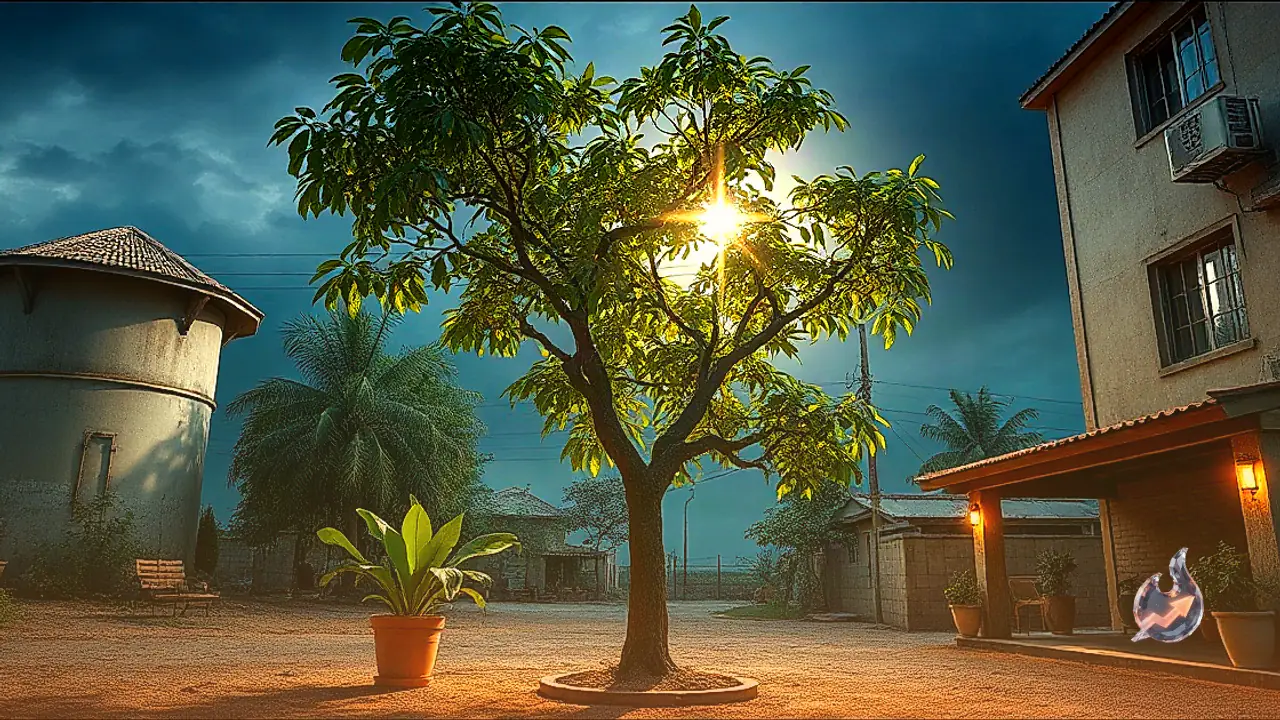

Adding a drumstick or moringa tree to a home garden is one of the most rewarding gardening decisions, offering both greenery and nutrient-dense harvest. The moringa tree naturally thrives in warm climates and experiences rapid growth when exposed to continuous, direct sunlight. However, harvesting a generous crop of fresh pods requires much more than simply putting a seed into the ground. Gardeners must carefully coordinate planting seasons, soil quality, irrigation habits, nutrient inputs, and branch pruning routines to ensure long-term plant health.
The Ideal Sowing Window Across Regions
The optimal timeline for planting moringa depends heavily on prevailing regional weather conditions and local flowering cycles. According to guidelines from the Tamil Nadu Agricultural University, the primary window extending from July to October serves as the most suitable period for moringa cultivation, although certain areas begin planting as early as June.
In regions such as North India, growers must plan planting schedules around seasonal shifts in rainfall and ambient temperature. Selecting the right physical planting site is equally critical; waterlogged zones must be strictly avoided. Water stagnation suffocates root systems rapidly, causing widespread fungal rot and potentially killing young saplings before they establish themselves.
Soil Conditions and Optimal pH Range
While the drumstick tree shows remarkable adaptability across various ground conditions, it delivers peak vegetative growth in well-drained sandy-loam soil. The Tamil Nadu Agricultural University specifies that the crop performs best in soils maintaining a pH level between 6.5 and 8.
When preparing native garden soil, thoroughly mixing in well-rotted farmyard manure or decomposed cow manure helps loosen the texture and enhance porosity. This organic amendment promotes root expansion while ensuring that moisture percolates smoothly without turning muddy or retaining standing water around the base.
Sowing Technique, Depth, and Container Growing
Success begins with selecting clean, robust, high-quality seeds. Seeds should be buried at an approximate depth of 2.5 to 3 inches below the surface. In open-ground setups adhering to scientific cultivation methods, sowing two to three seeds per pit is recommended, allowing growers to assess germination rates and retain the strongest saplings later.
For urban gardeners cultivating moringa in pots or containers, choosing an adequately sized vessel is vital to accommodate root expansion. Drainage holes at the base of the container must remain unobstructed to discharge surplus water immediately. Furthermore, moringa demands intense, unfiltered sunshine to manufacture energy, making sunny terraces, open lawns, or south-facing balconies mandatory for container setups.
Nutrient Application, Top-Pruning, and Irrigation Rules
Young plants require targeted nutrient applications during early vegetative stages to build sturdy structural tissue. Once the sapling firmly establishes itself, removing the terminal bud, an operation known as pinching, becomes essential. The Tamil Nadu Agricultural University highlights that pinching the central leader stem halts excessive vertical shoot elongation and stimulates abundant lateral branch development. A wider bush canopy directly translates into more flowering clusters and a significantly higher pod count. Meanwhile, gardeners should monitor soil moisture before watering and avoid overwatering under all circumstances.
Varietal Differences in Flowering and Pod Maturation
The precise timeline for drumstick pod formation varies according to cultural care, regional climate, and chosen variety. Research from the Indian Council of Agricultural Research indicates that flowering and fruiting cycles differ markedly among distinct moringa cultivars. For instance, commercial varieties such as Thar Harsh and Thar Tejas exhibit differing maturation speeds, demonstrating that matching variety traits with local seasonal cycles produces the most reliable yields.