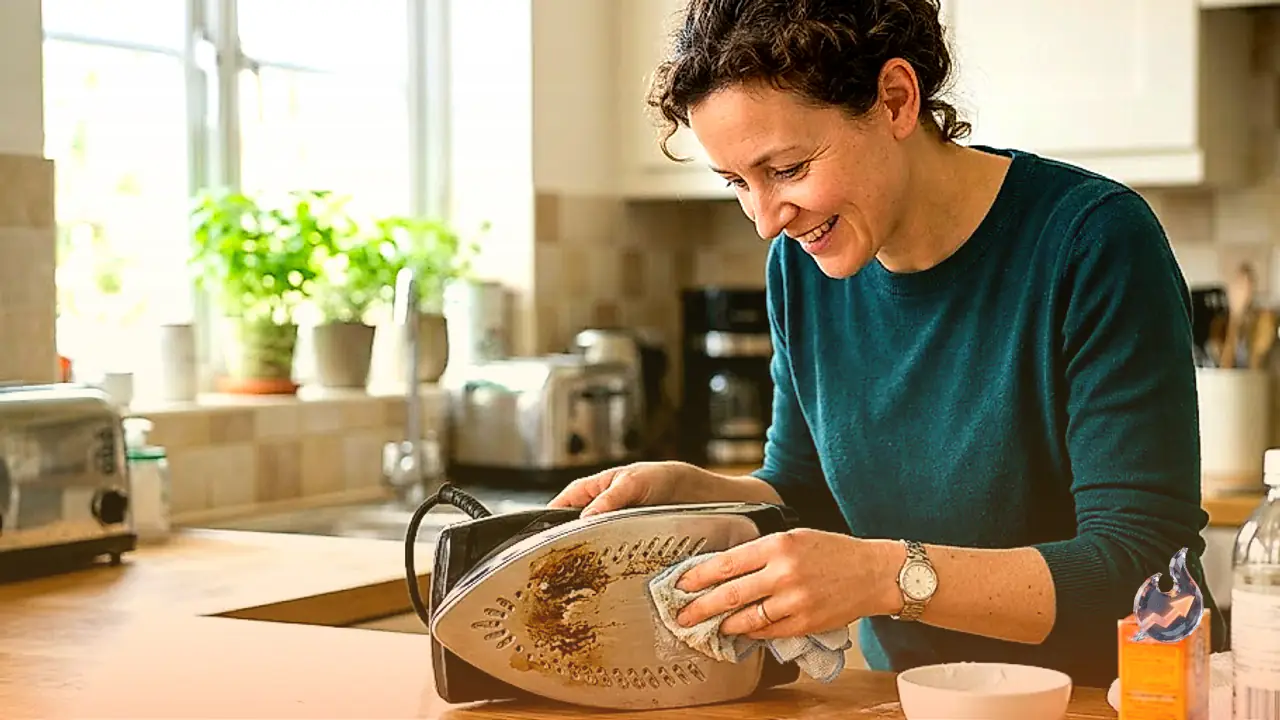























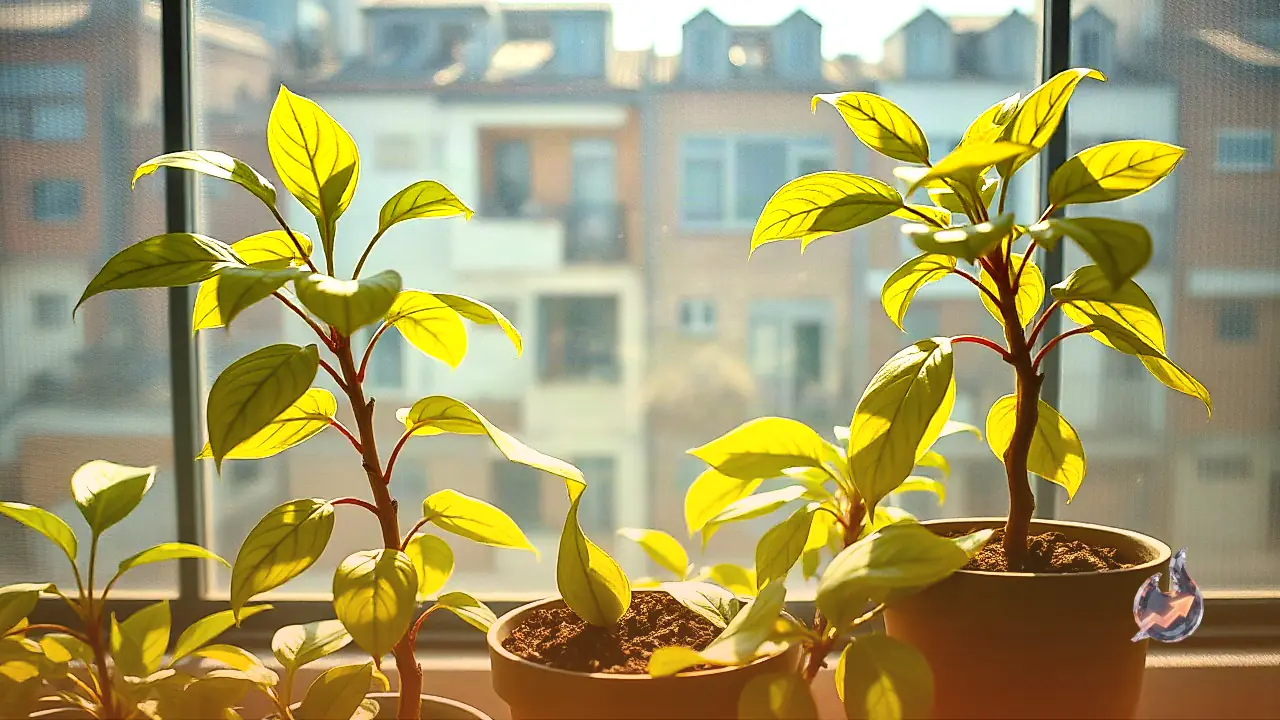

Finding yellow leaves on an indoor money plant often leads plant owners to believe the plant is completely ruined and ready for the trash. In reality, this popular houseplant is quite resilient, and discolored foliage usually serves as an early distress signal rather than an irreversible failure. Common culprits include excessive watering, insufficient natural light, or heavy soil that traps moisture around the root ball. Recognizing these factors early makes it entirely possible to bring the plant back to vibrant health using standard home adjustments without spending money on costly nursery products or chemical supplements.
Overwatering Remains the Primary Threat to Roots
Arvind Kumar, who works as a gardener at SBVP Inter College in Raebareli district, explains that administering too much water is the most frequent reason behind yellowing money plant foliage. A widespread habit among plant owners is adding small amounts of water every single day. This routine keeps the potting mix perpetually waterlogged. Prolonged dampness prevents roots from breathing and exposes them to decay, which quickly manifests as yellow, limp foliage across the vines.
A simple, practical routine is to inspect the top layer of soil with a finger before pouring any water. Moisture should only be added when the upper crust feels distinctly dry to the touch. In addition, the planter must feature functional drainage holes at the bottom so that surplus moisture can escape without pooling around the root zone.
Lighting Requirements and Gradual Repositioning
Keeping a money plant in a completely dim or windowless room can also drain the green pigment from its foliage. At the same time, this species does not thrive under intense, scorching direct sunlight. The ideal setting is a spot that receives gentle morning sunlight or bright, indirect natural illumination throughout the entire day.
If a plant has spent a prolonged period inside a dark room and is showing signs of distress, it should never be moved abruptly into harsh outdoor sunlight. Sudden exposure shocks the foliage; instead, transition the pot gradually into brighter areas over several days so the foliage can adapt smoothly.
Pruning Damaged Foliage and Soil Texture
When a leaf has turned mostly or entirely yellow, leaving it attached only drains valuable vitality. Snip away these damaged leaves near the base using a clean pair of gardening shears or scissors. Removing spent leaves stops the plant from squandering resources on dead foliage, redirecting energy toward fresh growth and healthy stems. Always prune carefully to avoid nicking tender new shoots or healthy runners nearby.
Soil structure is equally critical, as money plants prefer loose, well-draining potting mixtures. Excessively dense, clay-like, or sticky soil retains moisture far too long after each watering session. Loosening the compacted topsoil gently helps improve aeration and drainage. Furthermore, if a drainage tray or saucer is placed beneath the container, empty any standing runoff promptly, as stagnant water reabsorbing into the base will rot the lower root network.
Fertilizer Discipline and Pest Monitoring
A common error occurs when people spot yellow leaves and immediately dump heavy doses of fertilizer into the pot in hopes of a quick fix. This practice frequently causes root burn and accelerates plant decline. Money plants thrive best on moderate, periodic feeds using mild organic compost or thoroughly aged manure. Raw, fresh dung or unfermented compost should never be applied directly into the pot.
Finally, inspect the undersides of the foliage on a regular schedule. The presence of tiny pests, sticky secretions, or delicate webbing indicates an insect infestation. When pests are detected, trim off the severely affected leaves and clean the remaining foliage gently with water to maintain hygiene across the entire vine.