























While the arrival of the monsoon brings refreshing showers and the joy of sipping hot tea alongside fried snacks, it also ushers in unwanted moisture, dampness, and a surge of household pests. As darkness falls and indoor lights are switched on, mosquitoes, ants, cockroaches, and various insects begin swarming living spaces. To combat this seasonal nuisance, many households turn to expensive commercial chemical sprays and liquid vaporizers. However, these artificial repellents release toxic synthetic chemicals into the air, presenting health risks to residents. Embracing a time-tested, cost-effective natural remedy provides a safe and highly efficient alternative to maintain a bug-free home.
Health Risks Associated with Chemical Insect Repellents
Commercial pest control sprays often promise immediate relief from insects, but they frequently contain synthetic chemical compounds that contaminate indoor air. When inhaled, these airborne chemicals can irritate the respiratory system and trigger adverse health conditions such as allergies, breathing difficulties, asthma flare-ups, and persistent headaches.
Furthermore, these chemical residues present severe hazards in homes with infants and toddlers. Young children who crawl on floors and habitually place hands or toys into their mouths face direct exposure to lingering chemical toxins. Transitioning to natural, plant-based remedies eliminates these toxic hazards and protects family members from long-term health complications.
From Baghelkhand Heritage to Modern Urban Apartments
Utilizing natural ingredients to repel insects is a long-standing tradition passed down through generations. According to Satna resident Sarla Singh Tiwari, women in the villages of Baghelkhand have relied on this homemade liquid formulation for decades. Even during times when homes were constructed with mud and raw materials, this traditional solution demonstrated a 100% success rate in keeping pests away.
As awareness regarding the harmful side effects of chemical repellents grows, this vintage household remedy is gaining widespread popularity in modern high-rise city apartments. Its simplicity, affordability, and eco-friendly nature make it a preferred choice for health-conscious families.
Step-by-Step Preparation of the Herbal Solution
Preparing this potent insect-repelling liquid at home requires minimal effort and easily accessible ingredients.
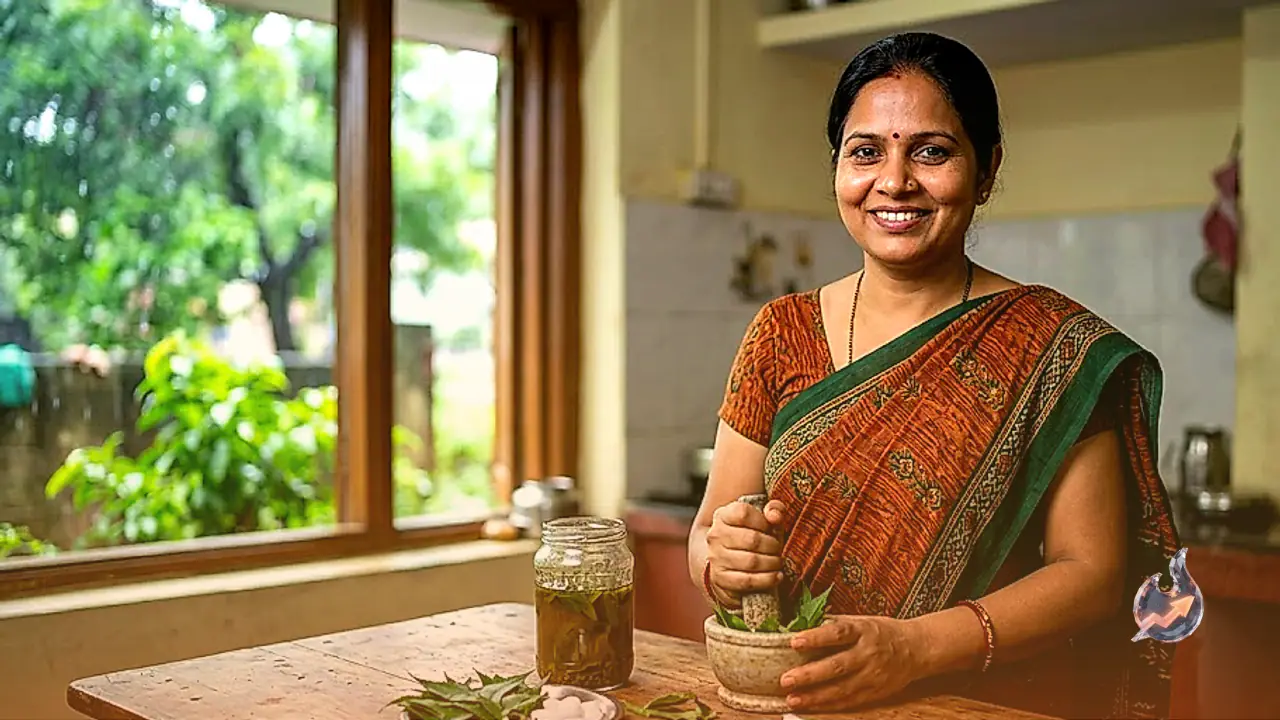
- Boiling Neem Leaves: Begin by placing a generous handful of fresh neem leaves into a pot of water. Bring the water to a rolling boil until the medicinal extracts of the neem leaves fully infuse into the liquid, then turn off the heat.
- Adding Clove and Camphor: While the water is still hot, mix in powdered cloves and crushed camphor (commonly used in religious rituals). Stir thoroughly until the ingredients dissolve completely into the infusion.
- Cooling and Straining: Allow the mixture to cool down slightly, then filter the liquid through a clean cotton cloth into a container to remove leaf particles and solid residues.
Application Method and Protective Barrier
To maximize the effectiveness of the remedy, the solution should be applied to strategic areas throughout the dwelling.
- Mopping Floors: Submerge a mop or clean cloth into the prepared solution, wring out excess liquid, and thoroughly wipe all interior floor surfaces.
- Treating Entry Points: Apply the liquid along window sills, door frames, door seals, and external entrance thresholds where insects typically gain access into the home.
- Creating a Natural Barrier: The combined potency of bitter neem extract, strong clove aroma, and sharp camphor fragrance establishes an impenetrable shield that repels mosquitoes and crawling insects.
In addition to eradicating household pests, this herbal concoction neutralizes stale moisture odors and leaves the home filled with a pleasant, earthy natural aroma.