

















Bringing vibrant green plants home from a local nursery is a popular way to decorate balconies, verandahs, and rooftops. However, many plant lovers quickly become disappointed when those lush leaves begin to droop or dry out within a week. While people frequently blame the nursery for selling weak stock, the actual issue usually stems from hidden mistakes made during the initial transition period. Plants experience considerable stress when moved from controlled nursery settings into home environments. Understanding how to manage light, moisture, and potting conditions during these early days is essential for keeping green additions healthy over the long haul.
Protecting New Additions From Direct Sunlight Shock
Inside nurseries, plants are typically grown under protective green shade netting or beneath larger tree canopies where they receive filtered light and balanced humidity. Exposing a freshly purchased plant to intense midday sunlight right away creates severe environmental shock. This sudden shift causes leaves to scorch around the edges and stems to lose firmness. To prevent this damage, place new arrivals in a spot with indirect bright light or soft morning sun for the first few days. Once the foliage adapts to the local microclimate, you can gradually transition the container into its ideal sunlight location.
Preventing Root Decay From Overzealous Watering
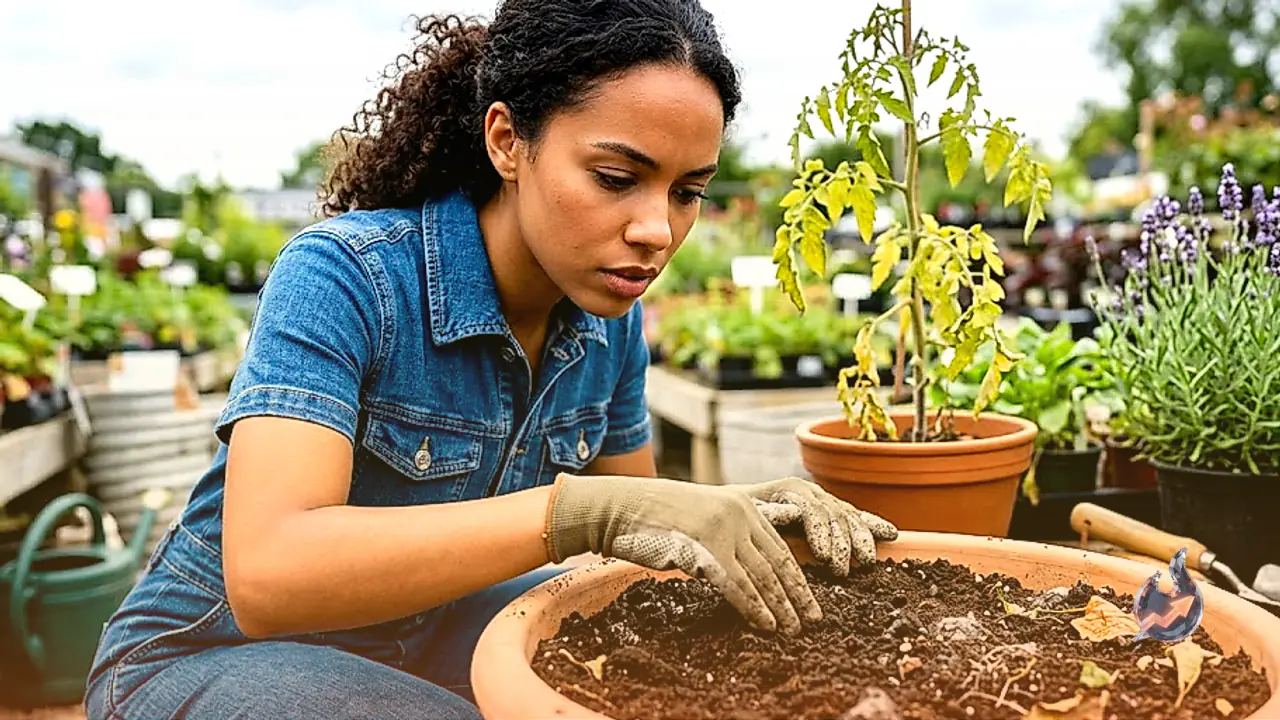
One of the most common reasons young plants fail after repotting is overwatering driven by good intentions. Daily watering keeps the surrounding soil constantly saturated, blocking essential air pockets needed for root respiration. Without oxygen, roots begin to decay beneath the surface, preventing the plant from absorbing nutrients and leading to visible wilting above ground. Always check the top layer of soil before adding water; if it feels damp, hold off. Additionally, ensure every container features clean drainage holes at the base to let excess water escape freely.
Preparing Friable Soil Mixes and Timing Fertilization
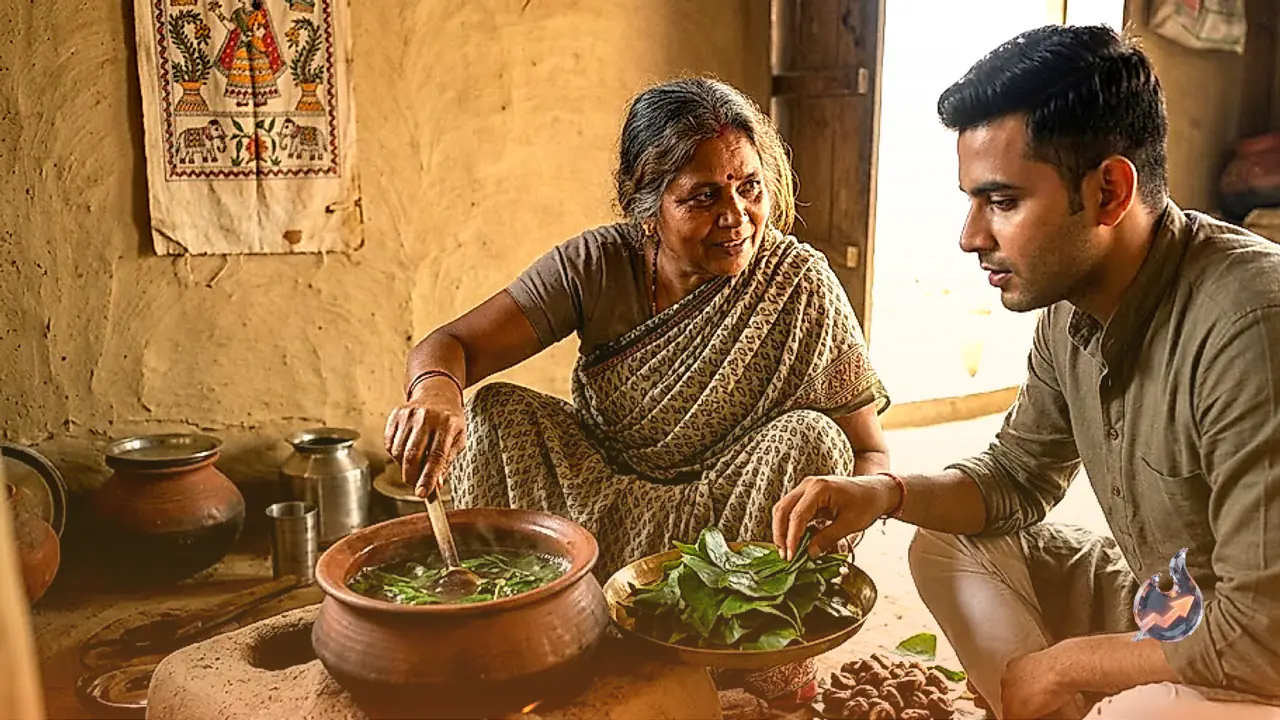
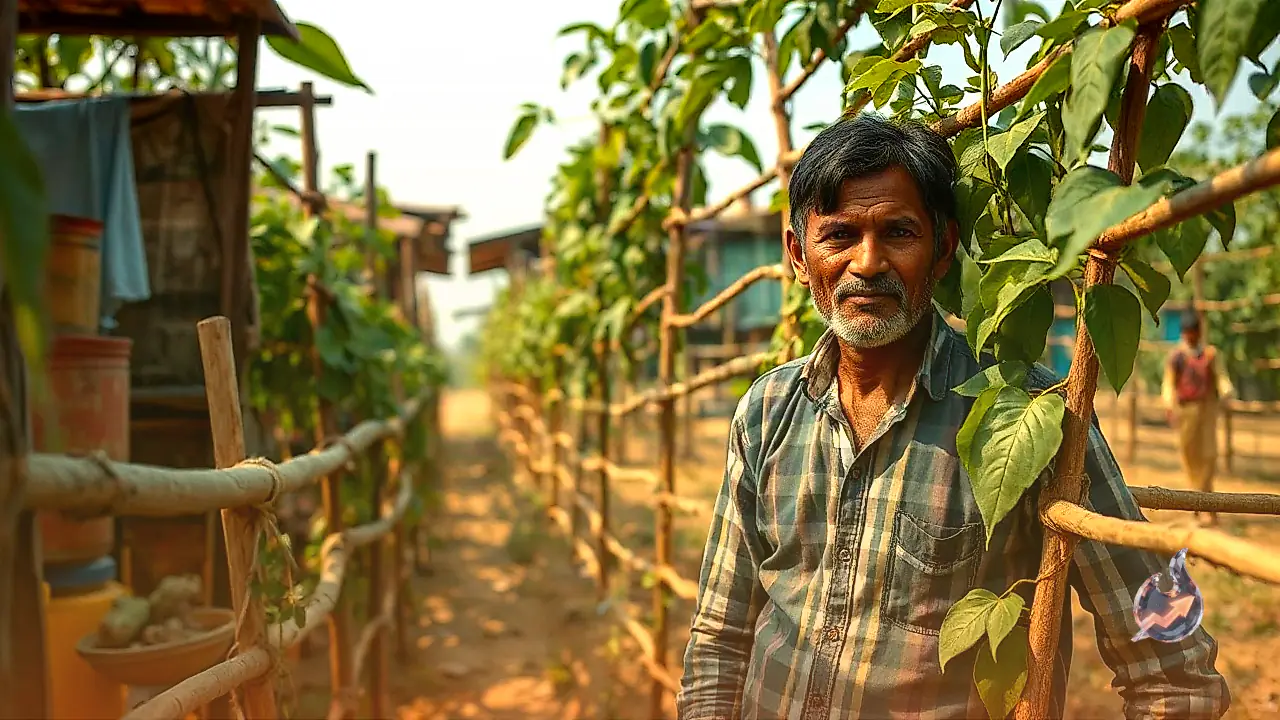
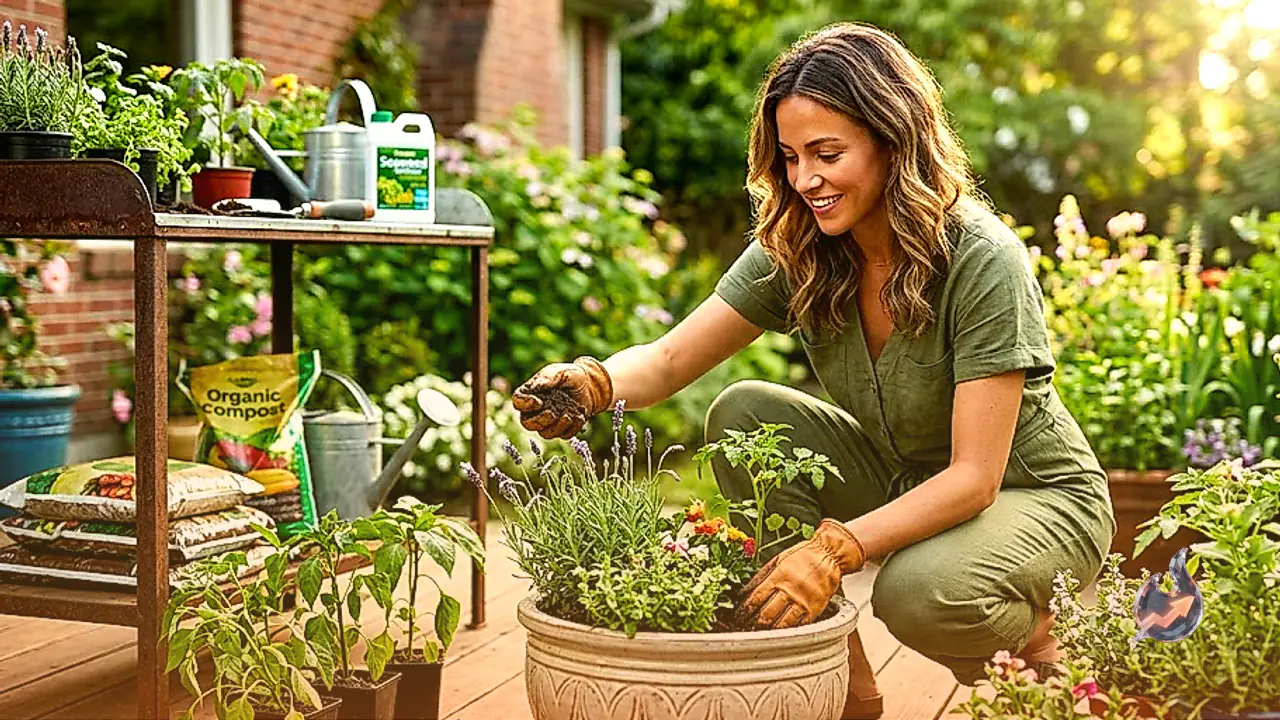
According to nursery practitioner Rammilan, potting plants in heavy, compacted soil restricts root development and causes water stagnation. A ideal potting mix should remain light and friable, allowing moisture to drain while retaining balanced humidity. Blending native soil with organic compost and materials like coarse sand or coco peat helps roots expand easily. Furthermore, applying strong chemical fertilizers immediately after planting does more harm than good. Freshly potted specimens need time to settle into their new containers before feeding. Organic fertilizers should only be introduced once the plant stabilizes and begins producing fresh green growth.
Selecting Appropriate Container Sizes for Growing Roots
Container dimensions directly influence how root systems develop over time. Placing a growing plant into a container that is far too small restricts root spread, stunting growth and forcing the plant to become root-bound quickly. Conversely, placing a tiny sapling into an oversized container leaves excess soil that retains unnecessary moisture for long periods, leading to root rot. Gardeners should select pots that match the current size and root density of the plant, upgrading to larger vessels progressively as the root ball expands.
Tailoring Routine Maintenance to Specific Plant Varieties
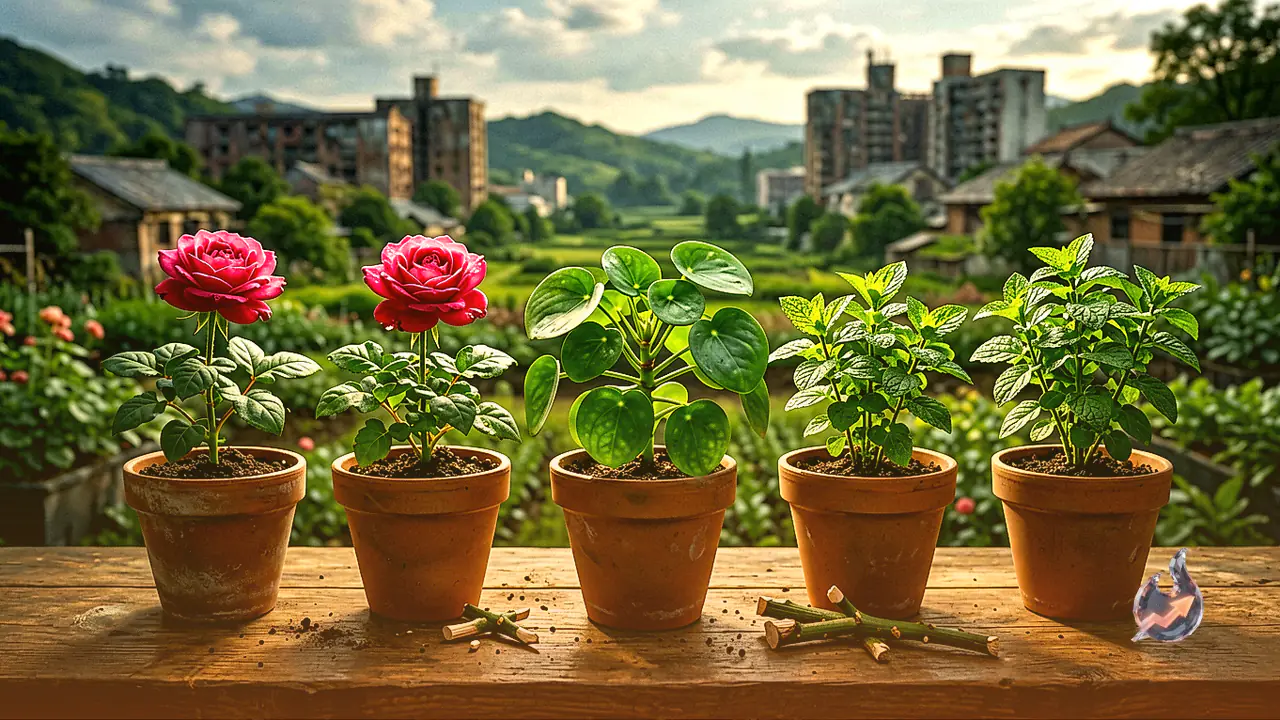
Not every plant variety shares identical care requirements. Indoor foliage plants thrive in indirect light with modest moisture, whereas flowering outdoor varieties require extended sun exposure and regular hydration. Treating every pot in a garden identically often leads to poor outcomes. Inspect your plants regularly to trim away dried leaves, dead stems, and damaged branches. Keep an eye out for early signs of pests or fungal infections on the undersides of leaves so you can address issues promptly. Consistent care tailored to each species keeps indoor and outdoor gardens flourishing indefinitely.