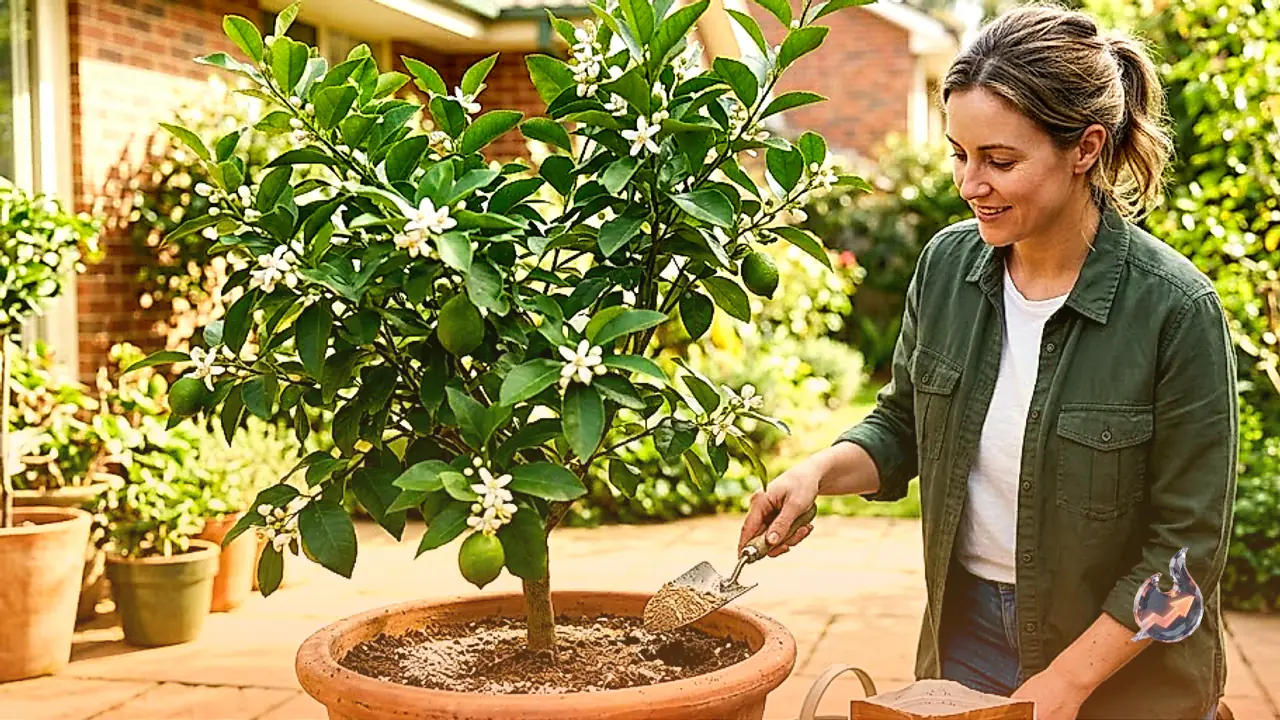




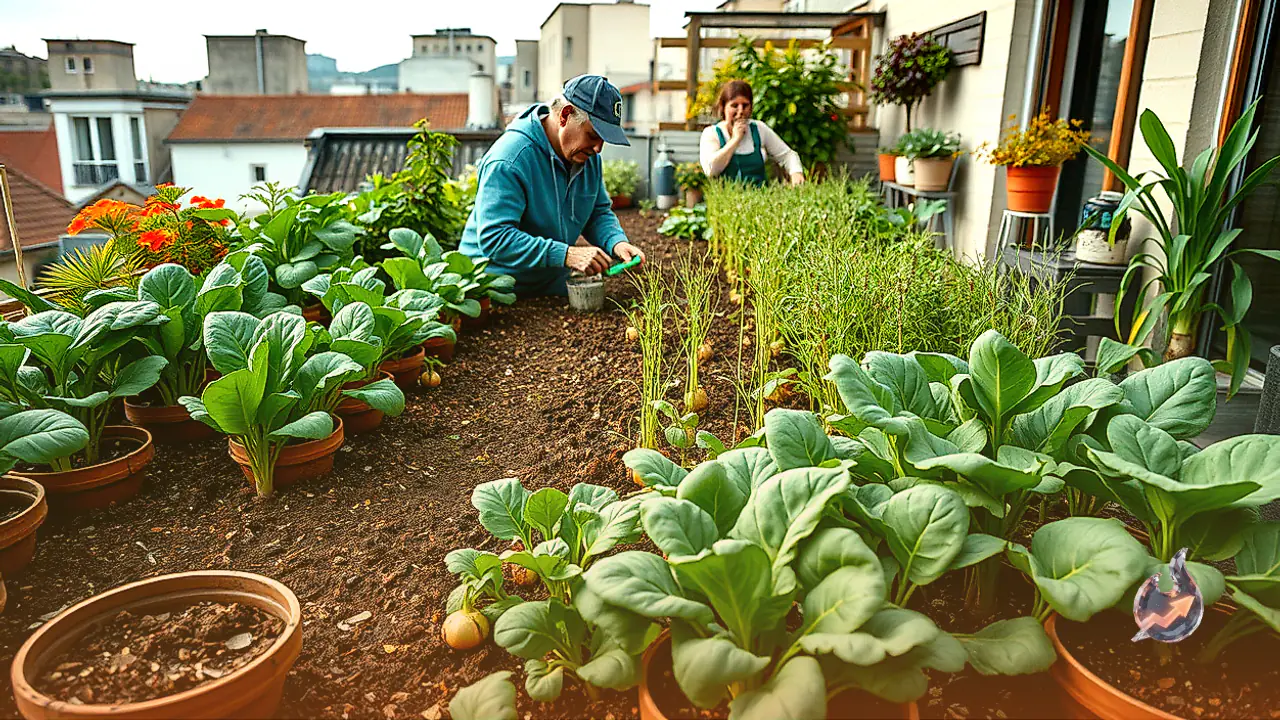


















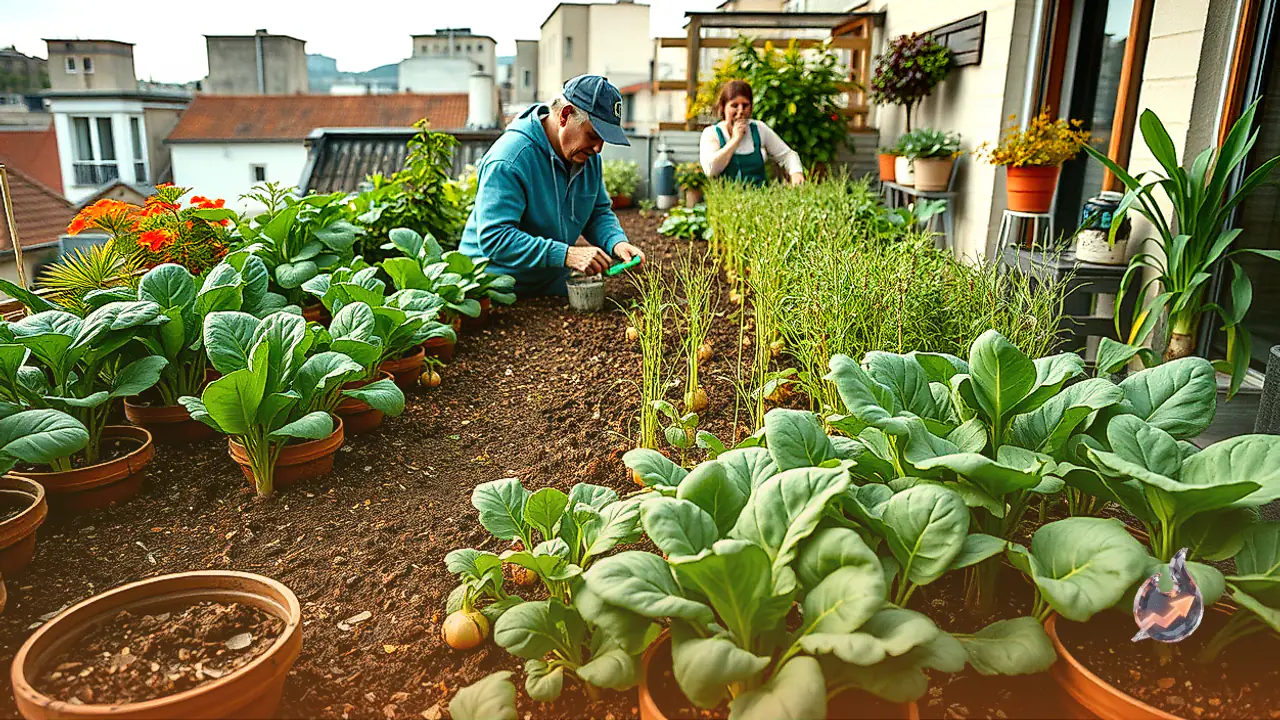

Growing fresh, nutritious, and chemical-free vegetables at home is entirely achievable on terraces, balconies, or small courtyards without needing large agricultural fields or extensive land. Containers such as standard pots, lightweight grow bags, and repurposed plastic containers offer practical spaces for raising several everyday vegetables. Crops like tomatoes, chillies, brinjal, spinach, coriander, fenugreek, radish, and okra thrive in domestic garden settings. The initial phase of establishing such a garden involves selecting suitably sized containers or grow bags. These planters should be filled with an aerated blend of garden soil, well-decomposed cow dung manure, and cocopeat to keep the texture loose and crumbly, which allows the root networks to expand smoothly.
Why October Serves as an Ideal Window for Vegetable Planting
Nek Singh, who runs a plant nursery in Moradabad, explained that October presents an opportune time to begin home vegetable gardening. During this transitional period, weather conditions turn noticeably cooler, creating favourable conditions required for the growth of diverse leafy greens and root vegetables. Taking advantage of these seasonal changes, residents can sow spinach, radish, turnip, and other seasonal crops at home. Achieving high yields, however, depends heavily on maintaining soil quality, choosing quality seeds, providing balanced manure, and regulating water application. Available domestic space can be easily adapted to cultivate a wide range of produce throughout this month.
Top Seasonal Vegetables Suitable for Domestic Cultivation
Multiple vegetables flourish during early winter and require manageable attention in household containers. Spinach represents one of the easiest leafy varieties to maintain in domestic settings. It can be cultivated in dedicated vegetable beds or ordinary planters, with seeds sown straight into the prepared growing medium.
Similarly, October is well suited for cultivating radish. Radish seeds are sown directly into the soil. The vegetable demands friable, loose, and sufficiently deep soil so that the taproot can extend downward and develop uniformly without facing physical obstruction.
Turnip is another cold-season crop that adapts well to home growing. It can be planted in raised beds or sufficiently deep planters, with seeds scattered directly into the potting mix.
For urban homes managing restricted floor space, fenugreek serves as an outstanding choice. It grows effectively in compact pots, broad shallow trays, or garden beds. The tender green leaves of fenugreek become ready for their first harvest within roughly 20 to 30 days of sowing.
Coriander can also be introduced effortlessly into domestic containers. A broad-rimmed shallow planter or a compact bed provides adequate room. After sowing the seeds, cover them with a light layer of soil and irrigate gently to keep the medium consistently moist.
Where broader surface area is available, carrots and peas can be incorporated as well. Carrots require loose, deep soil beds, whereas peas demand rich soil equipped with efficient drainage channels.
Sunlight Requirements and Drainage Considerations
Selecting the right spot for the planters is essential for overall plant vigor, requiring daily exposure to roughly 5 to 6 hours of direct sunlight. While leafy varieties can tolerate somewhat lower levels of sunlight, uninterrupted light exposure remains crucial for optimal foliage development.
Growers who lack open ground can rely entirely on containers, fabric grow bags, or clean recycled plastic vessels placed across terraces or balconies. Any chosen container must feature drainage holes at its base to let excess water escape freely. Without drainage holes, stagnant water collects around root zones, triggering root decay and damaging the crops.
Techniques for Soil Conditioning and Organic Manuring
Securing a bountiful harvest depends primarily on the fertility and porosity of the soil bed. Standard garden soil should be thoroughly blended with well-rotted organic compost to enhance soil structure and provide continuous nutrition to developing roots.
When gardening directly in ground soil rather than pots, dig the earth to a depth of approximately 15 to 20 centimetres, breaking up hardened clumps until the medium turns fine and crumbly. Mix in a generous quantity of fully decomposed cow dung manure or prepared organic compost to enrich the plot before sowing seeds.