























Establishing a green space at home is relatively simple, yet maintaining plant vitality over extended periods often proves challenging. Potted plants frequently weaken due to stagnant soil aeration, improper watering schedules, or nutritional shortages. Incorporating a few foundational horticultural habits can make a decisive difference in preventing plants from wilting and sustaining garden health.
Soil Loosening Every Eighth Day and Organic Nutrition
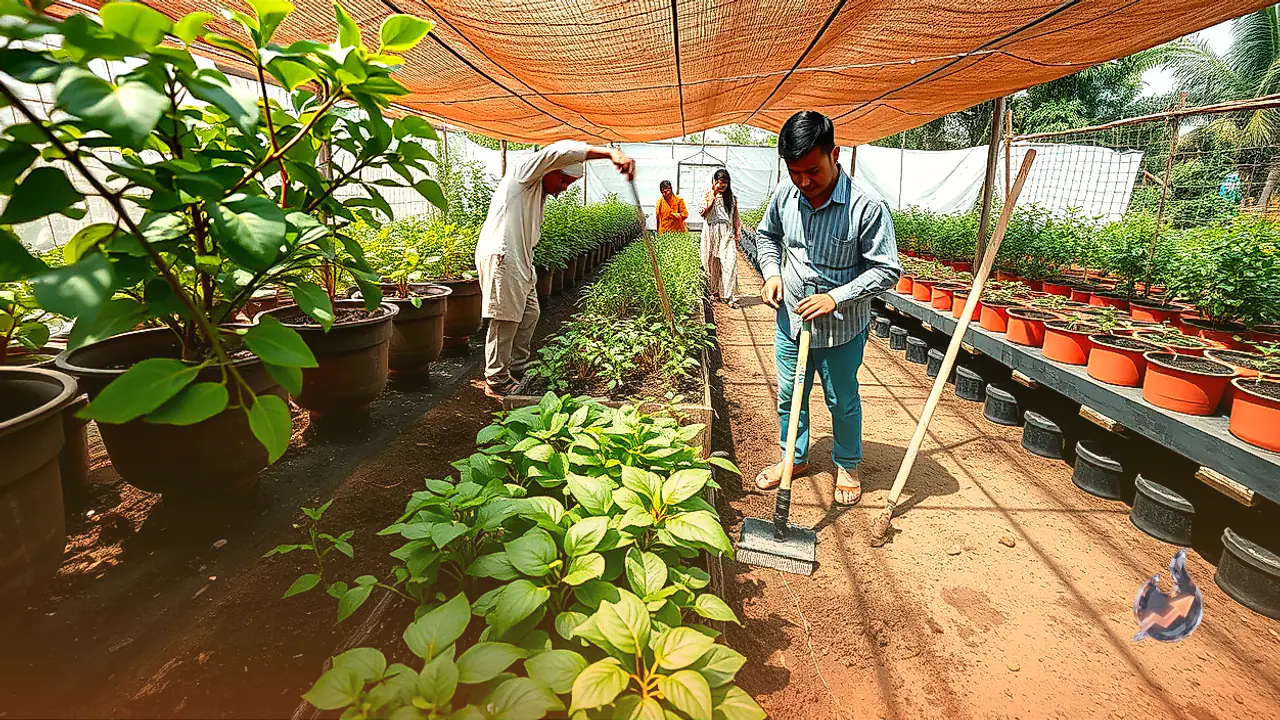
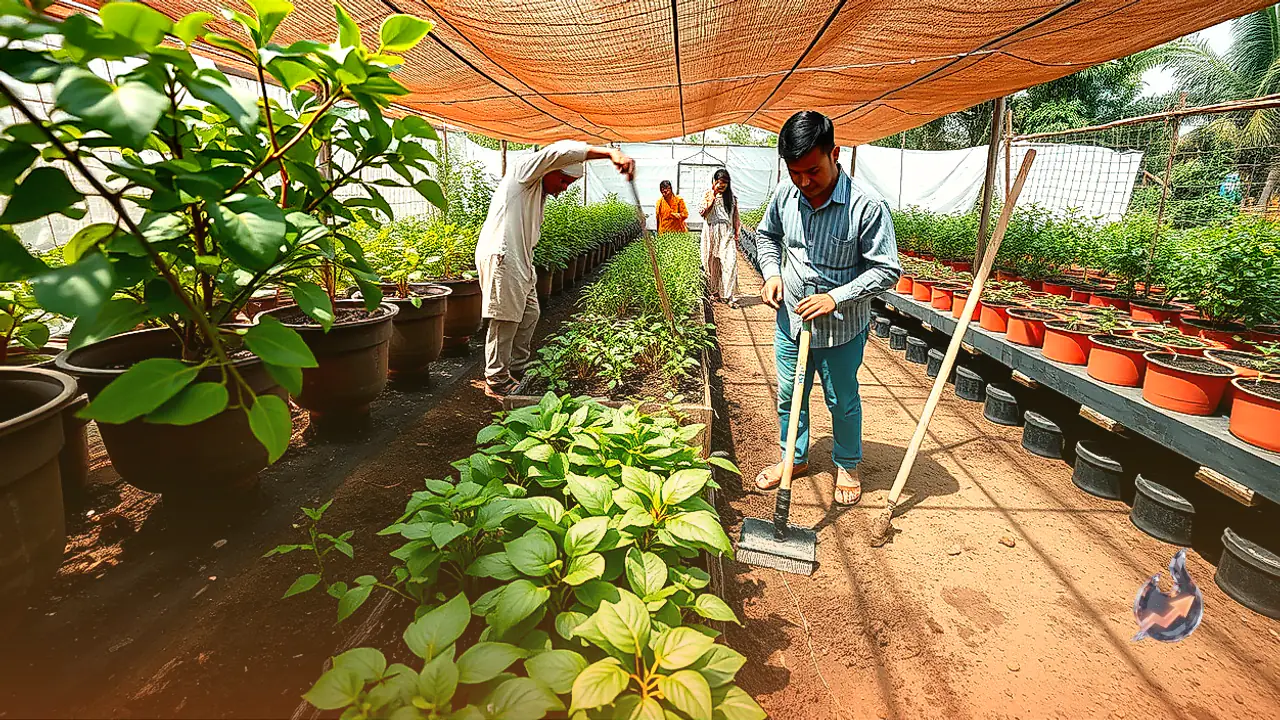
Nursery operator Nek Singh points out that planting alone does not guarantee survival, as regular upkeep remains indispensable. He advises that garden soil should be loosened through light hoeing every eighth day. This regular cultivation loosens compacted earth around the roots, ensuring that essential airflow reaches the subterranean root network and encourages robust root spread.
Providing timely nourishment alongside soil care is equally vital for healthy vegetative progress. Applying organic compost or well-rotted cow dung manure instead of synthetic chemical fertilizers delivers consistent organic nutrients without damaging the soil structure. For flowering varieties such as roses, incorporating DAP fertilizer helps support active plant growth, while delicate and weaker specimens need closer individual attention.
Watering Balance for Indoor and Outdoor Varieties
Water requirements vary significantly depending on whether a container sits inside the living room or outdoors under the open sky. Indoor plants should never be subjected to excessive moisture, as stagnant water damages roots. Before pouring water into indoor pots, checking the soil dryness with a finger test is recommended, applying water only when the surface feels distinctly dry.
Outdoor plants face harsher environmental exposure and dry out much faster under direct sun and wind. During warm conditions, these exterior containers may demand everyday irrigation to sustain hydration. Across all planters, proper drainage outlets must remain unobstructed so that surplus moisture flows out immediately rather than pooling around root bases.
Pruning Dead Branches and Pest Defense
Routine maintenance must also include trimming away dried leaves and withered stems as soon as they appear. Pruning deteriorated plant parts stops the decay from spreading and redirects vital energy toward fresh foliage growth. Delicate plants, in particular, demand attentive handling during maintenance sessions.
Placing pots where they receive daylight appropriate to their specific species needs remains fundamental. To safeguard green growth against destructive pests, spraying neem oil provides an effective protective measure. Balancing proper irrigation with eighth-day soil aeration, organic feeding, sufficient sunlight, and selective pruning ensures that domestic gardens stay lush and flourishing.