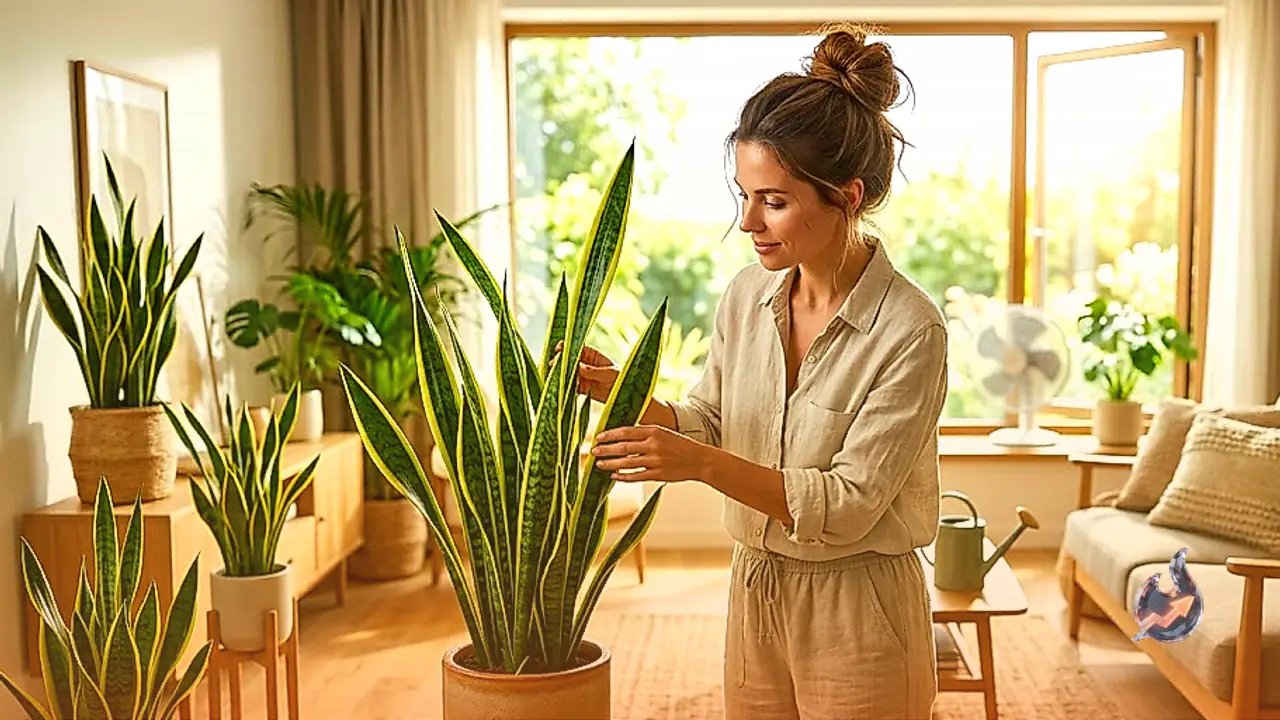

With the onset of intense summer heat, rising mercury levels and dry winds routinely push indoor temperatures to uncomfortable highs. Most households rely heavily on mechanical cooling equipment, including ceiling fans, evaporative desert coolers, and air conditioning units, to keep living spaces tolerable. While these artificial systems deliver prompt temperature relief, living flora provides distinct ecological and psychological advantages that electrical appliances cannot replicate. Beyond outdoor shade trees, specific potted house vegetation can noticeably enhance living quarters, with the resilient snake plant standing out as a practical cooling and purifying presence.
African Origins and Widespread Domestic Popularity
Historically indigenous to several African territories, this architectural plant gradually gained international appreciation before finding a strong foothold across diverse Indian climates. Because it adapts effortlessly to varied indoor conditions, horticulturists, nursery professionals, and residential interior stylists routinely recommend incorporating it into living rooms, workstations, and bedrooms. Its striking upright silhouette blends structural elegance with functional environmental performance.
Distinctive Foliage and Minimal Care Demands
The vernacular moniker of the plant originates from the intricate, banding patterns etched across its sword-shaped leaves, which closely resemble the textured skin of a viper. According to observations from the All India Institute of Ayurveda, cultivating and sustaining the plant involves negligible difficulty. It thrives on minimal watering schedules and does not depend on frequent fertilizer treatments, establishing it as an exceptionally sturdy choice for modern apartments and novice plant owners.
Air Cleansing Abilities and Humidity Control
Sharing functional traits with other deep-toned green foliage, the plant works diligently as a bio-filter within closed domestic enclosures. It captures harmful airborne contaminants, strips toxic residues from indoor air, and yields cleaner oxygen for room occupants. Furthermore, the foliage functions as a natural humidity regulator, actively moderating stuffy indoor dampness. When several specimens are distributed across a room or domestic corridors, their combined presence assists in stabilizing and managing interior ambient heat.
Indoor Allergy Shield, Mental Well-Being, and Traditional Beliefs
In addition to filtering common pollutants, the dense foliage aids in reducing airborne allergens that can trigger respiratory discomfort. Maintaining greenery indoors also supports overall mental wellness, offering a restful visual focal point that fosters psychological tranquility. Beyond scientific and aesthetic attributes, cultural traditions and Vastu principles frequently associate this species with favorable home energies, regarding the distinctive patterning and upright growth of its foliage as auspicious.
Remarkable Durability and Extended Lifespan
Horticultural specialists emphasize that introducing these sturdy plants indoors during warm weather provides enduring biological benefits. One of the species' most striking characteristics is its impressive longevity. Once planted in a suitable container, a single specimen can flourish effortlessly for approximately 10 to 12 years with basic baseline care. Under favorable domestic conditions, it can continue thriving for up to 20 years, making it an enduring and cost-effective addition to household spaces.