















When preparing for festive dance nights during Dandiya and Garba celebrations, selecting the right attire is often the primary concern for women. While conventional chaniya cholis and embroidered lehengas remain the standard choice year after year, stepping away from familiar patterns can create a refreshing festive appearance. Choosing a traditional South Indian langa voni, also widely known as a half sari, presents a distinctive and culturally rich alternative. Taking stylistic cues from actor Kangana Ranaut, festive revellers can easily craft a memorable statement while honouring traditional Indian aesthetics.
Understanding the Structure of the Traditional Langa Voni
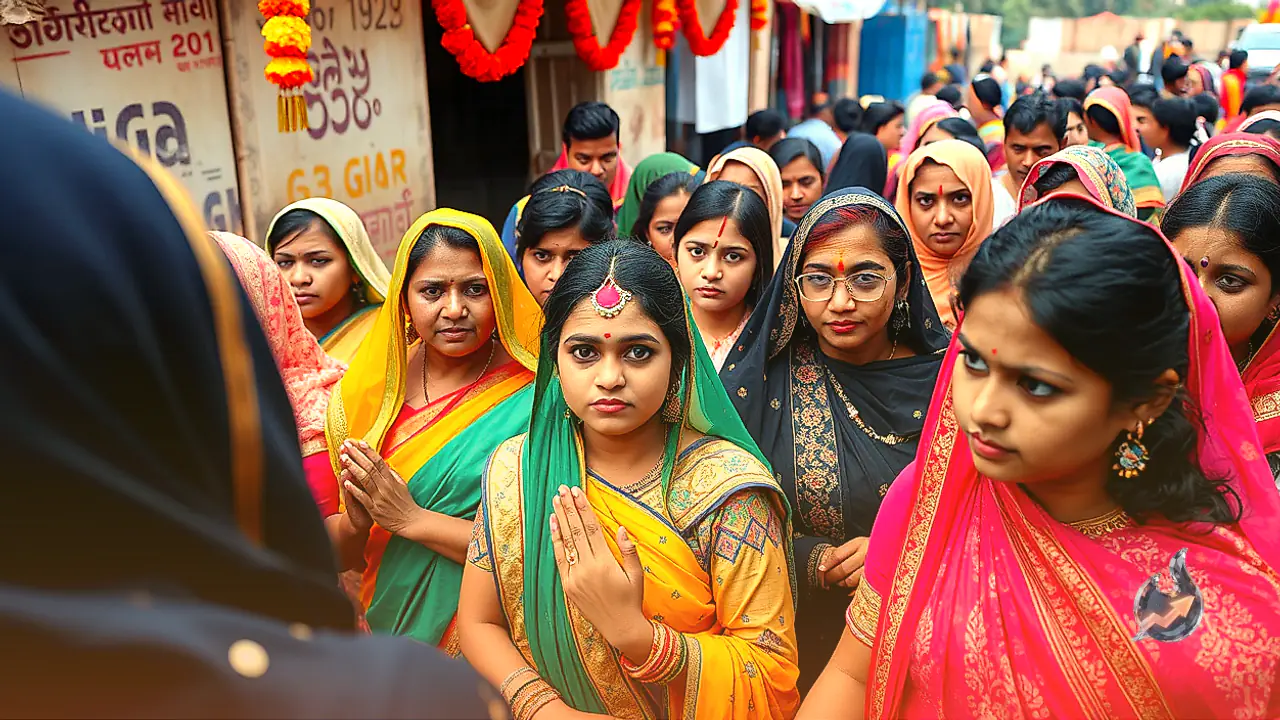
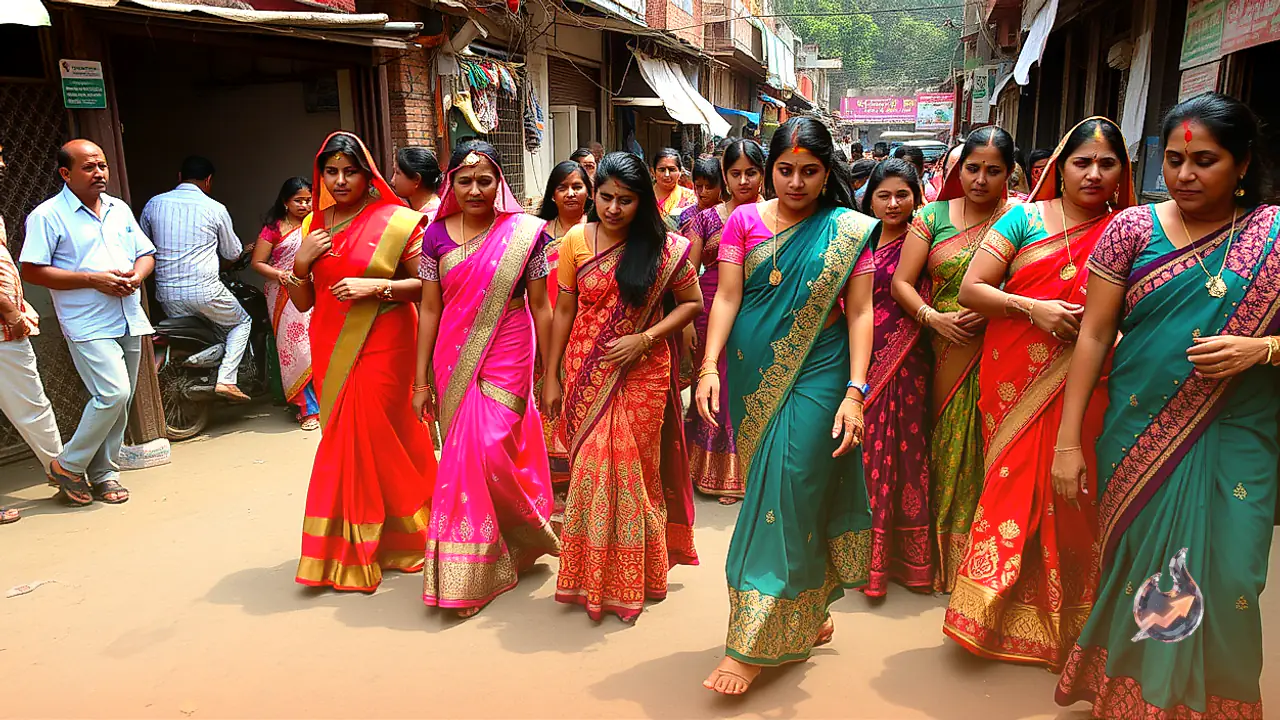
Langa voni is a deep rooted ethnic ensemble hailing from southern India that is popularly referred to as a half sari. The three piece garment consists of an expansive pleated skirt, a tailored blouse, and an elongated drape resembling the pallu of a standard sari. In regional terminology, the skirt component is designated as the langa, while the flowing fabric draped across the upper body is called the voni. Historically, young girls and women across various southern regions have donned this costume for festive gatherings, familial ceremonies, and formal occasions, adapting it over generations through varied fabrics, vibrant dye palettes, and detailed needlework.
Contrasting Colour Palettes and Zari Craftsmanship
The visual depth of an ethnic outfit often depends on the thoughtful coordination of its colour scheme. The South Indian langa voni look showcased by Kangana Ranaut stands out largely because of its strategic interplay between contrasting hues and metallic threadwork. An ensemble pairing a cream or golden pleated skirt alongside a vibrant red blouse and an emerald green voni yields an exquisite visual balance. Rich zari detailing across the length of the skirt complemented by an opulent wide hemline border imparts an unmistakably regal feel. The interplay of saturated, deep colours across the drape adds festive dynamism, offering a brilliant formula for anyone seeking an eye catching appearance on the dance floor.
Functional Styling Tips for Dandiya and Garba Celebrations
Opting for a half sari during an energetic dance festival requires balancing visual elegance with physical ease. When selecting a langa for fast paced circular dancing, verify that the flare of the skirt allows unhindered footwork and full spins. The tailored blouse must feature a comfortable fit and breathable fabric to avoid physical strain across lengthy dance sessions. Furthermore, securing the voni with sturdy pins along the waistline and shoulder is essential, ensuring the drape remains anchored during complex hand routines with sticks rather than requiring constant adjustment.
Balancing Jewellery, Hairstyle, and Footwear
Finishing this South Indian ensemble requires a disciplined approach toward accessories. When a garment already features dense zari threadwork, keeping ornamental pieces moderate prevents the overall presentation from looking excessively crowded. Warm gold toned jhumkas, a structured choker, or classic temple jewellery match this aesthetic naturally. Securing the hair into a neat bun adorned with fragrant fresh gajra garlands completes the regional aesthetic authentically. For cosmetics, a clean base, sharp kohl lined eyes, and balanced lipstick maintain a fresh radiance. Finally, choosing well cushioned juttis or flat ethnic sandals ensures comfortable movement and continuous dancing without risking foot strain.