























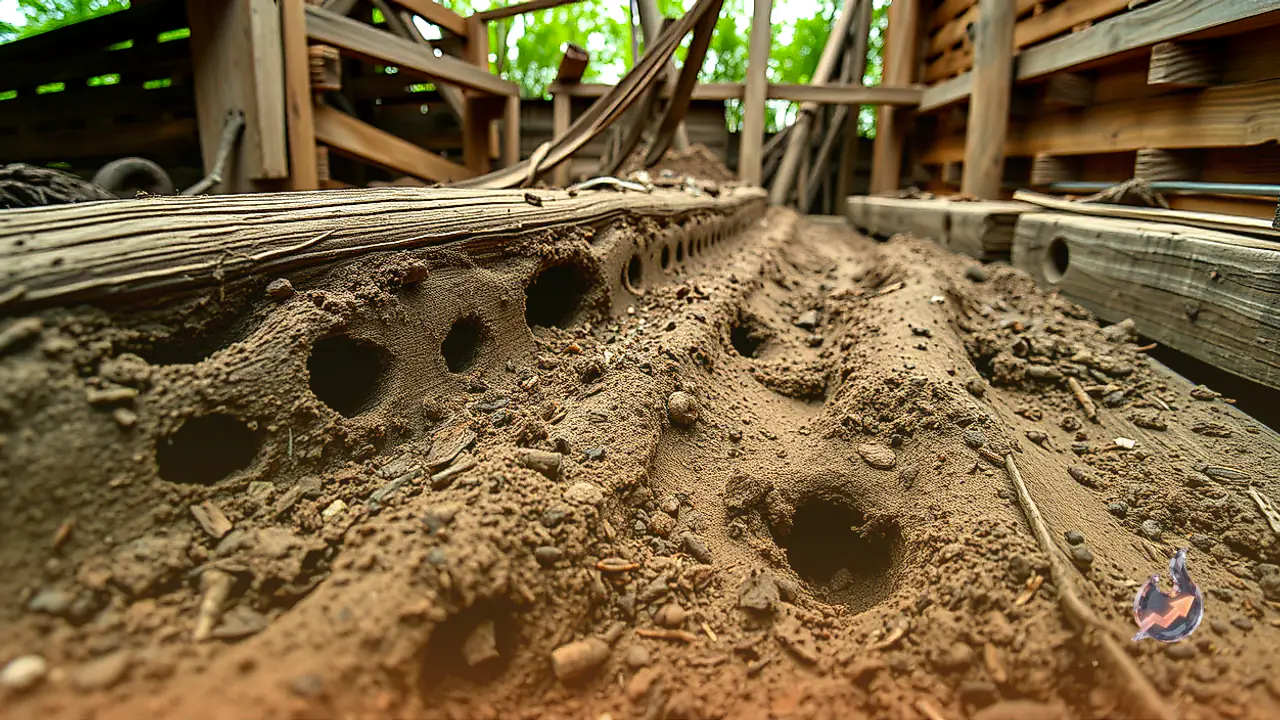

Discovering tiny perforations across household woodwork or noticing thin trails of dried mud clinging to door frames should never be brushed aside as ordinary dust. In most residential environments, these subtle markings serve as the first visible indicators of an active termite infestation. Older furniture pieces, wooden frames, storage wardrobes, and secluded household corners prone to persistent moisture provide an ideal breeding zone where termites easily take hold. While the initial destruction often appears negligible on the outside, leaving it unattended can cause the timber to weaken and deteriorate internally over time.
Fortunately, addressing the problem right at the onset through systematic household cleaning, stringent moisture containment, and carefully applied home methods can curb the spread of these pests effectively. However, when the infestation penetrates deeply throughout large sections of timber, household interventions become inadequate, making professional pest management essential.
Underlying Factors and Early Warning Signals
Termites are naturally drawn toward damp environments and cellulose-rich materials such as untreated timber. When residential structures suffer from continuous dampness, undetected pipe leakage, or when wooden bases remain in direct contact with damp floors, the threat multiplies rapidly. High-risk zones inside a home include spaces around bathrooms, kitchen plumbing enclosures, window perimeters, and poorly ventilated storage cabinets where air movement remains minimal.
Homeowners must carefully inspect any wooden framework displaying thin, pencil-like mud tunnels, scattered tiny pinholes, or pieces of timber that crumble under light pressure. Merely wiping down the outer surface with a dry cloth does not resolve the issue, as termites typically burrow deep beneath the outer finish and carry out their destruction from within.
Applying Neem Oil for Surface Protection
Neem oil represents a widely recognized natural remedy for repelling insects on a localized domestic level. Before introducing any application, the affected wooden section must be thoroughly brushed and cleaned of all debris. Once cleared, pure neem oil can be applied directly onto the timber using a soft cloth or a clean paintbrush, ensuring even surface distribution.
Periodic applications help discourage external insect movement across the treated exterior. Nevertheless, this technique remains effective primarily for minor or localized surface threats. If termites have already established deep subterranean networks within the core structure, superficial oil coating will not eradicate the deeper colonies nesting inside.
Sunlight Exposure and Dampness Control
Moisture creates the precise living climate that enables wood-boring insects to survive and reproduce. Therefore, wooden furniture should always be positioned in areas with consistent natural ventilation. For smaller portable furnishings such as chairs, small desks, or shelving that can be carried outside safely, placing them under bright, direct sunlight for several hours helps dry out lingering dampness efficiently.
Focusing solely on the visible insects while ignoring the surrounding dampness is rarely productive. Inspecting structural walls for seepage, checking hidden plumbing junctions for drips, and preventing puddles from gathering near baseboards are vital steps. Eliminating the fundamental source of water deprives termites of the moisture essential to their survival.
Housekeeping Practices and Spatial Placement
Storing discarded timber scraps, empty cardboard containers, and old newspapers in dark corners creates a continuous food source that invites pests. Because cellulose serves as primary sustenance for termites, accumulated paper clutter should never be allowed to linger inside storerooms or utility spaces over long periods.
Regular deep cleaning beneath heavy furniture items, inside storage rooms, and behind standing wardrobes prevents quiet pest buildup. Furthermore, furniture should never be pushed completely flat against exterior walls; maintaining a few inches of clearance allows air to circulate freely. This physical gap makes routine cleaning simpler and allows homeowners to spot emerging damp patches before serious harm takes place.
When to Transition Beyond Home Remedies
Relying on basic domestic solutions becomes inadvisable once termites begin appearing across multiple rooms, when tapping the timber produces a hollow echo, when mud tubes quickly reappear after wiping, or when doors and heavy frames show visible structural sagging. Under such severe conditions, engaging a certified pest control professional to conduct specialized structural treatments is the safest approach.
Additionally, whenever using homemade oils or topical mixtures, always conduct a preliminary patch test on an inconspicuous, hidden corner of the timber. This precautionary check guarantees that the application will not leave permanent stains, discolouration, or surface blemishes on delicate furniture finishes.