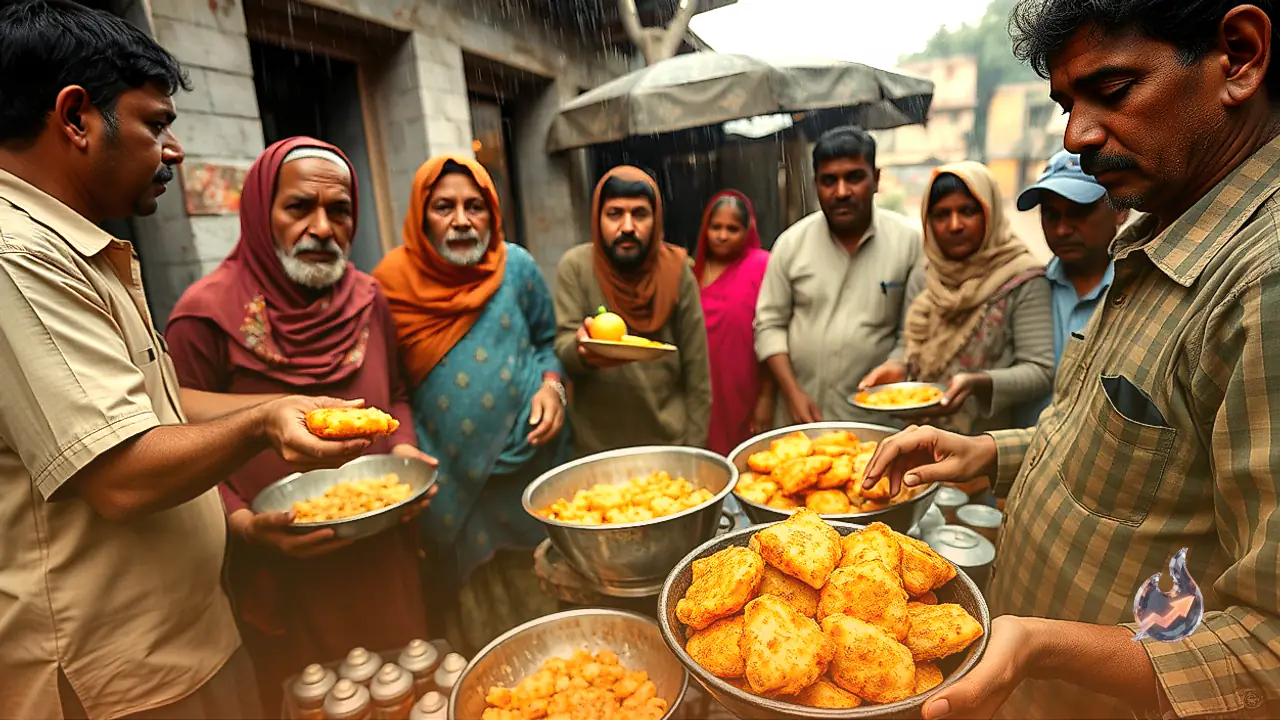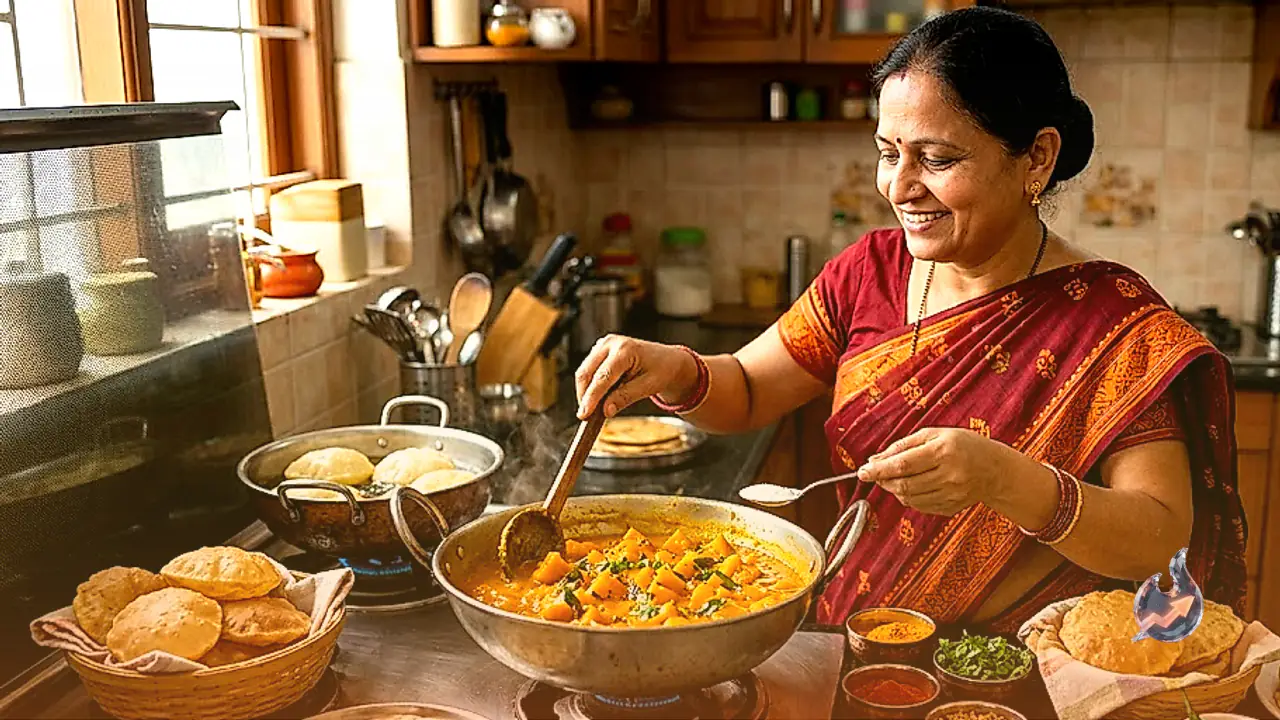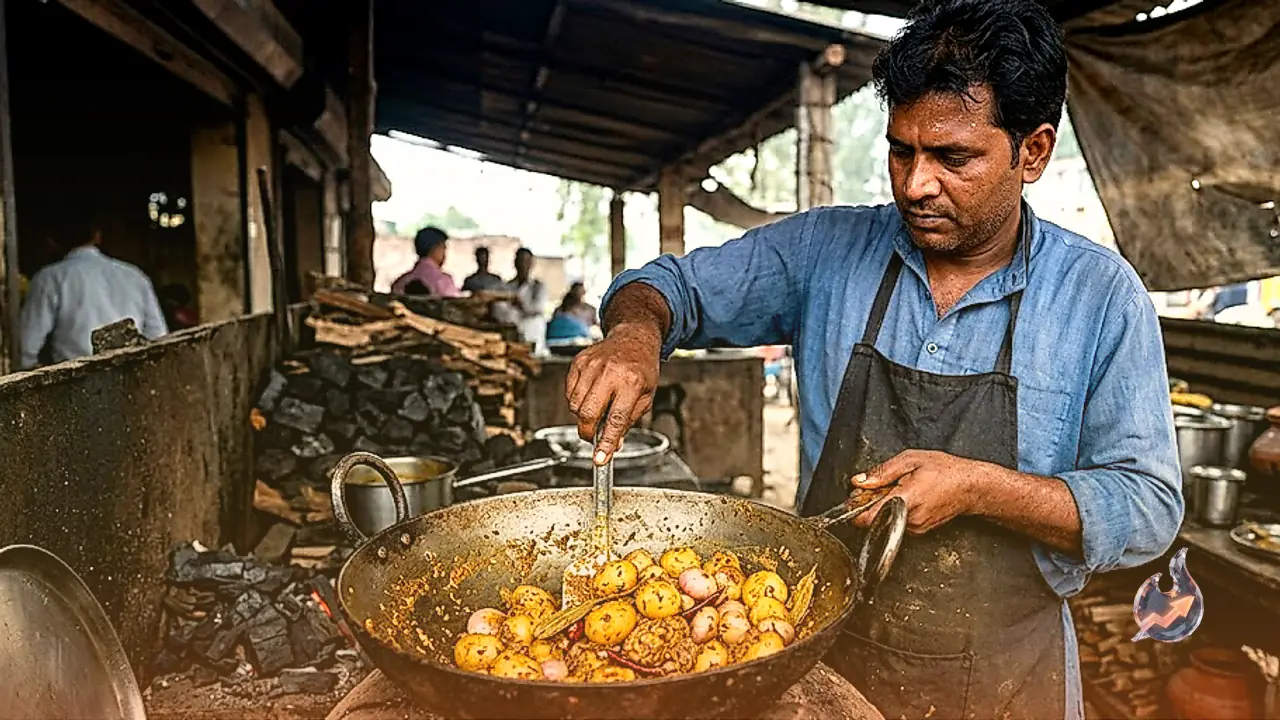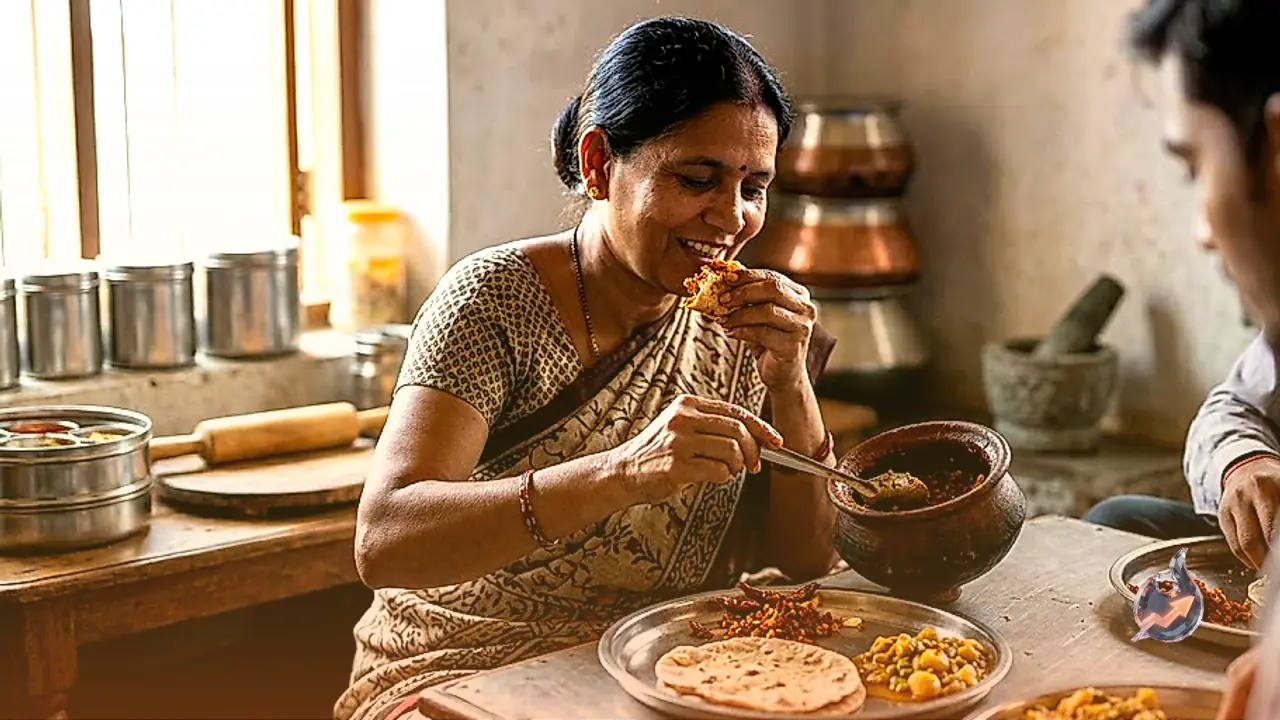

























A festive dessert that is customarily reserved for grand wedding banquets and religious celebrations has been given a refreshing, easy-to-cook home makeover. At the Government Girls Post Graduate College in Ghazipur, Uttar Pradesh, undergraduate students demonstrated their culinary ingenuity during a departmental practical. Under the guidance of home science professor Neha Maurya, the learners reimagined the preparation of zarda, a classic sweetened rice delicacy, making it effortless to replicate in everyday domestic kitchens without demanding professional catering equipment.
Required Ingredients and Household Proportions
According to the recipe formulated for four to five diners, the preparation relies on standard pantry staples. Sweetness is calibrated using roughly three-quarters to a single cup of regular sugar, adjustable to personal taste. Boiling the grains requires about three to four cups of fresh water. The rich texture and aroma stem from pure desi ghee tempered with green cardamom and cloves, complemented by milk infused with saffron strands or edible yellow coloring. Premium texture is added through sliced dry fruits, specifically cashews, almonds, and dried raisins.
Detailed Nutritional Breakdown
Beyond taste, the academic demonstration emphasized nutritional awareness by outlining the dietary return of the dish. Per individual serving, the dessert delivers an estimated 250 to 300 calories. The profile includes approximately 5 to 7 grams of protein alongside 8 to 10 grams of dietary fats. Carbohydrates account for roughly 45 to 50 grams per portion, accompanied by 1 to 2 grams of dietary fiber. The actual nutritional yield may experience modest variation depending on precise ingredient weighing and final portion sizes.
Cooking Sequence and Dum Technique
Achieving the perfect texture requires disciplined handling of long-grain basmati rice. The uncooked grains are initially washed thoroughly and steeped in water for roughly twenty to thirty minutes. Cooking begins by parboiling the rice in water until it reaches approximately eighty percent doneness. Keeping the grains slightly firm in the center is an essential safeguard; overcooking at this stage would cause the grains to disintegrate or turn mushy once sugars and fats are introduced. Once the desired tenderness is reached, the starchy water is thoroughly drained, and the parboiled grains are set aside.
The assembly takes place in a heavy-bottomed pan where pure clarified butter is melted and infused with the aromas of whole cloves and crushed cardamom pods. The strained grains are gently introduced to the fragrant fat, stirred carefully to avoid breakage. Granulated sugar is scattered across the warm rice, followed by the saffron-tinted milk pour. Sliced almonds, cashew nuts, and raisins are distributed across the surface before the flame is lowered. The pan is sealed with a tight lid, allowing the sweet concoction to cook in its own gentle steam for eight to ten minutes. When uncovered, the distinct grains emerge glossy and aromatic, ready to be garnished with fresh dry fruits prior to serving.
The Unique Citrus Zest Enhancement
What sets this particular formula apart from conventional royal banquet recipes is an unexpected citrus element introduced by the students. Incorporating a very sparing quantity of finely shredded outer orange peel introduces an appetizing sweet-and-sour depth that cuts through rich dairy fat. The students highlighted a critical culinary tip during preparation: the bitter white pith located directly beneath the rind must be entirely excluded. Only the outermost colored skin should be finely minced, ensuring bright fragrance without harsh bitterness.
Year-Round Feasibility in Daily Kitchens
Professor Neha noted that departmental training focuses on equipping students with recipes that transcend seasonal limitations. Rather than confining rich sweets to winter weddings or seasonal harvests, the technique enables homemakers to prepare the sweet treat at any point during the calendar year using common grocery staples. The balance between heritage flavors and modern nutritional calculation has earned broad praise among food enthusiasts visiting the institution.