






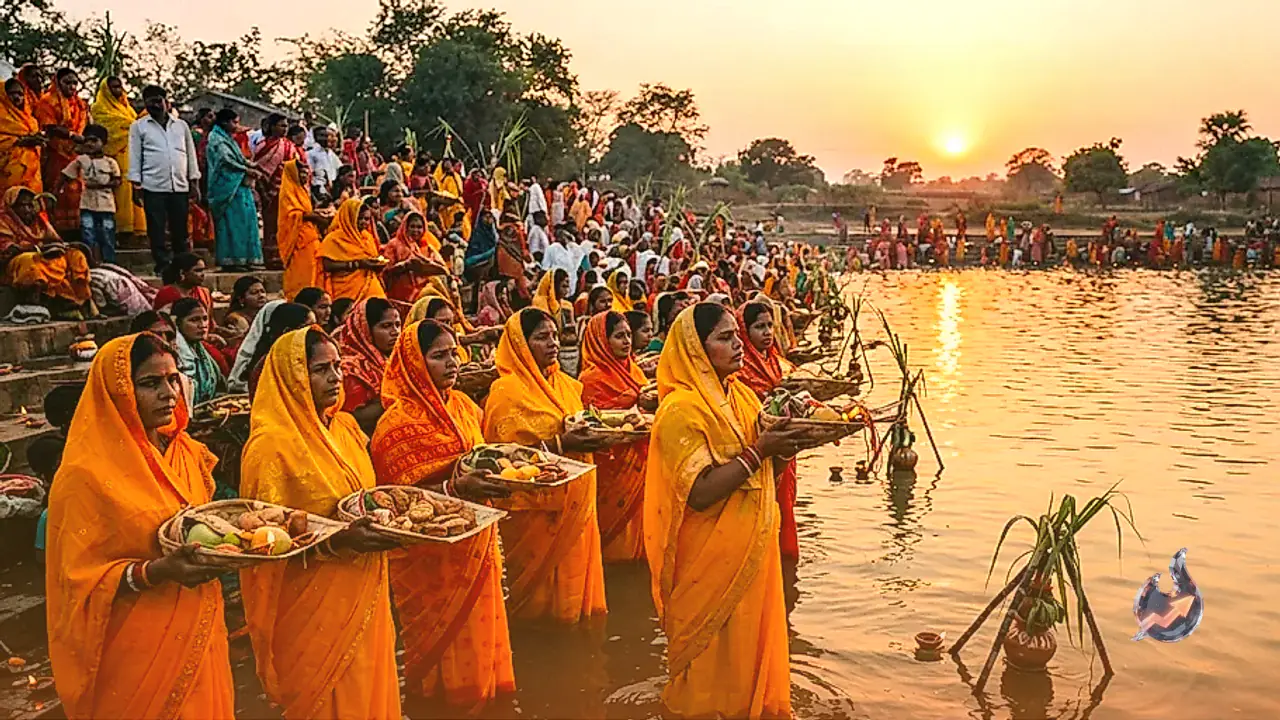
















During the grand festival of faith known as Chhath Puja, Thekua is regarded as much more than a mere festive delicacy, serving instead as a profound symbol of the devotees' deep faith, cultural traditions, and absolute purity. Prepared from wheat flour, jaggery, and clarified butter, this traditional offering is meticulously crafted in nearly every participating household. While the basic recipe is widely known, the strict precautions and rules of purity observed during its preparation remain unfamiliar to many. Every single step involved in making this sacred food requires special care to maintain ritual cleanliness.
The Family Tradition and Experience in Ghazipur
Sarita Singh, a resident of Gautam Buddha Colony in Ghazipur, shares that she learned the intricate art of making Thekua directly from her mother. According to her, preparing this sacred offering for Chhath is entirely different from cooking regular meals in an ordinary kitchen. The entire process begins right from the meticulous cleaning of the raw ingredients, and continuous special precautions are maintained through every single stage until the final offering is fully completed. The family follows these traditional disciplines with utmost dedication.
Starting with Purity of Flour and Utensils
Sarita Singh explains that the preparation begins by focusing intensely on the purity and cleanliness of the wheat flour. The flour mill where the grain is taken for grinding is selected with cleanliness in mind, and once brought home, the flour is stored with great care. All the utensils and the specific cooking space designated for making Thekua are thoroughly cleaned beforehand. Once the sweet treats are prepared, they are covered securely with a clean cloth to protect them from dust, dirt, or contamination by birds and other animals. This rigorous precaution regarding the festival Prasad forms an integral part of her family's enduring tradition.
Traditional Flavors from Ghee, Jaggery, and Fennel
Traditionally, Thekua is prepared using basic ingredients such as wheat flour, jaggery, pure ghee, and water. To enhance the distinct taste and aroma, fennel seeds and cardamom are often added to the mixture. Some households also incorporate powdered or coarsely crushed dried coconut into the dough. However, minor variations in ingredients and flavor profiles can naturally be observed from one family to another depending on their unique customs.
Kneading and Molding the Dough Properly
Sarita Singh details her method of taking one kilogram of wheat flour and dividing it evenly into two portions. She then mixes pure desi cow ghee into the flour, rubbing it thoroughly between her hands so the shortening is distributed uniformly. Afterward, the dough is kneaded using a prepared jaggery syrup along with the other chosen ingredients. The consistency of the dough is carefully maintained so that it is neither too soft nor excessively hard. Once ready, the dough is shaped into traditional forms using specialized wooden molds or simply crafted by hand.
Cooking on Earthen Stoves with Mango Wood
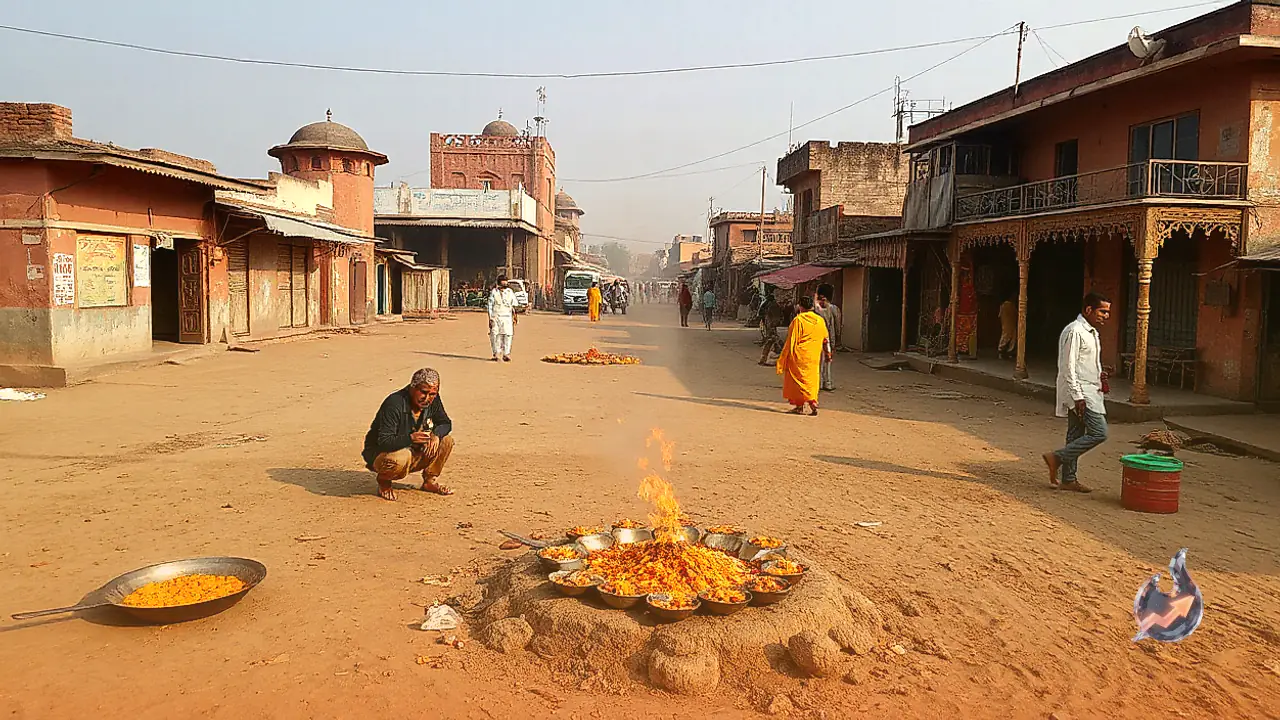
The methods of cooking Thekua also carry distinct traditional practices across many households. According to Sarita Singh, her family maintains the custom of cooking the offering on a traditional earthen stove fueled by mango wood. There is a deep-rooted belief that Prasad prepared through this authentic traditional method is the proper way to honor Chhath Maiya. Nevertheless, keeping modern time constraints and conveniences in mind, many contemporary families now prepare Thekua on gas stoves as well. The cookies are cooked patiently over a low, controlled flame until they turn golden brown, ensuring they are thoroughly baked right through to the center. Once done, they are stored in a clean container and covered securely with cloth.
Consuming Prasad Only After the Morning Arghya
Sarita Singh points out that her family follows strict protocols regarding when and how the Chhath Prasad is prepared and consumed. During the rigorous worship rituals, the freshly made Thekua is first offered devoutly to the Sun God. In accordance with their traditional customs, the Prasad is consumed only after the conclusion of the morning Arghya, marking the successful completion of the arduous fast. Throughout this sacred period, Thekua is viewed strictly as a holy sacrament bound to deep spiritual devotion rather than everyday food.
Inherited Wisdom Passed to the Next Generation
For Sarita Singh, the method of making Thekua is not merely a cooking recipe, but a cherished heritage passed down by her mother. She emphasizes that paying close attention to every minor detail, from kneading the dough to protecting the finished Prasad, remains absolutely essential. Even though kitchen tools and conveniences have evolved over time, the core traditions surrounding the Chhath Thekua continue to be practiced with identical reverence in countless homes today.