





















Balaghat district in Madhya Pradesh is characterized by its vast forests, flowing rivers, and steep mountainous terrain. Within these remote forested hamlets, tribal communities have lived in harmony with nature for generations. Living deep inside natural habitats has equipped local villagers with extensive knowledge regarding indigenous plants and herbs. Traversing the steep hills and dense forests of this region often brings severe encounters with heavy mosquito infestations. When modern chemical mosquito repellents are unavailable, local residents rely on time tested tribal wisdom. Sahadev Adme, a former sarpanch of Gadhda village, notes that traditional forest remedies provide instant relief from harsh insect exposure even during difficult treks.
Medicinal Value of the Bheriya Plant
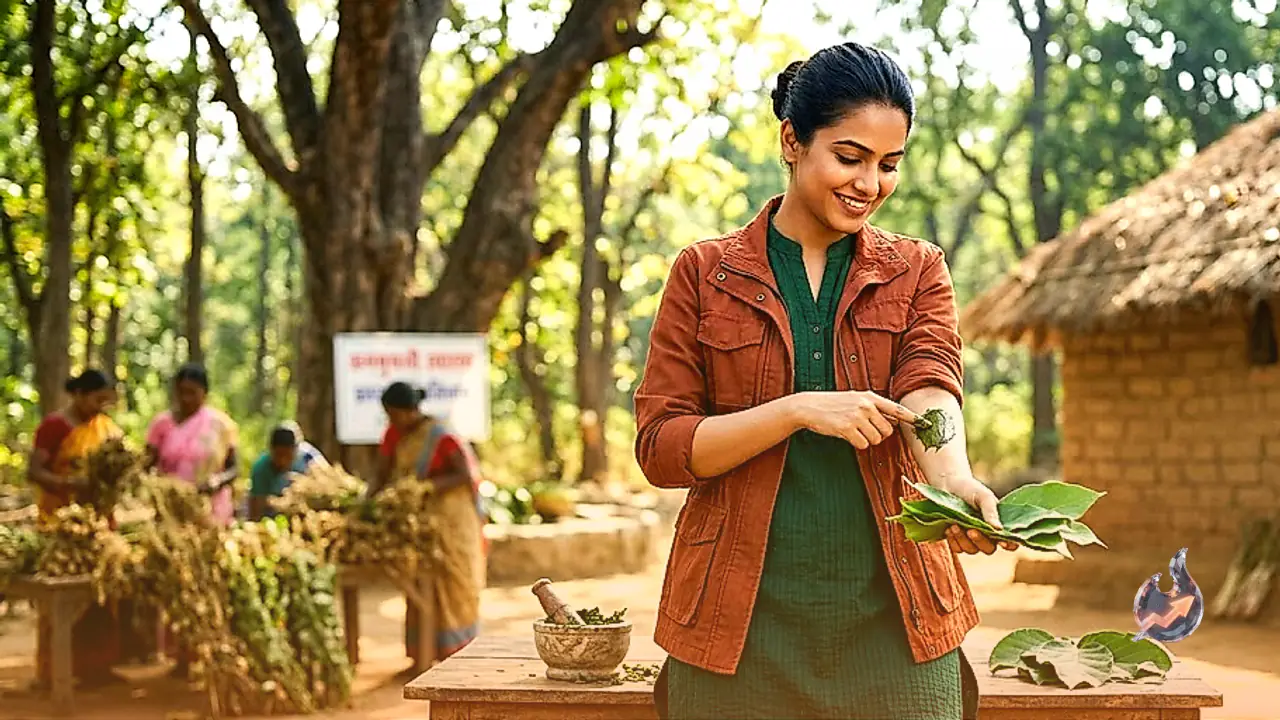
The dense forests of Balaghat harbor numerous botanical species known for their therapeutic qualities. Among these native plants, the Bheriya tree stands out for its multipurpose medicinal benefits. While the entire tree contains beneficial properties, its foliage holds particular importance. The leaves possess a strong, distinct aroma that mosquitoes find unpalatable. This natural scent acts as a powerful deterrent, forcing insects to stay clear of the area. Rural households continue to rely on this botanical solution rather than synthetic repellents.
Three Practical Application Methods
According to Kamlesh Gagaiye, a resident of Gadhda village, Bheriya leaves can be utilized in three distinct ways for personal and household protection. The first method involves placing fresh branches of the Bheriya tree into the tiled roofs or eaves of traditional rural homes. The continuous release of the plant fragrance keeps mosquitoes from entering living spaces.
The second application requires crushing fresh Bheriya leaves into a smooth paste. Applying this topical paste over exposed skin prevents mosquitoes from biting. If an individual has already sustained bites, applying the paste relieves localized irritation, reduces swelling, and prevents secondary skin infections. Additionally, villagers frequently apply this herbal paste to cuts, scratches, and open wounds to accelerate healing.
Protecting Livestock and Treating Wounds
The third method utilizes smoke generation to clear large spaces of pests. Dried Bheriya leaves are combined with dry foliage or paddy straw and ignited to produce thick herbal smoke. This smoke effectively drives away mosquitoes from outdoor spaces and livestock shelters. Kamlesh Gagaiye explains that cattle sheds are regularly treated with this smoke to shield farm animals from persistent insect bites. Furthermore, the leaf extract or paste is applied to livestock wounds infested with maggots, helping clear the infection and offering prompt relief to the animals. Consequently, the Bheriya plant serves as a vital natural resource supporting both human health and livestock care.