






















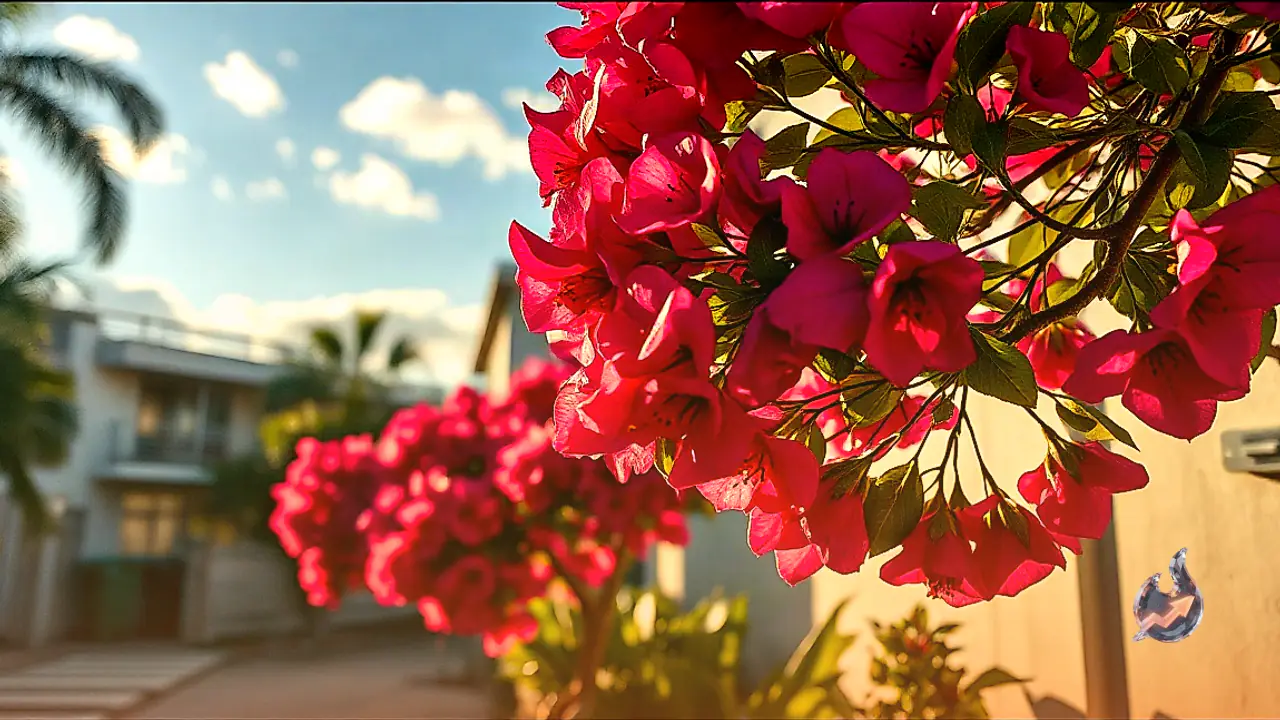

As intense summer temperatures gradually cool down during September, garden enthusiasts find an ideal window to plant Bougainvillea. This transition period provides a moderate environment that helps young plants settle into their new surroundings without suffering from extreme heat stress. Known for its resilient nature and stunning, colorful floral displays, Bougainvillea requires minimal long-term maintenance once established. However, providing the right foundation in terms of light, soil, moisture, and structural support during the initial planting phase is critical for achieving robust growth and maximum flowering.
Selecting the Ideal Spot for Maximum Sunlight
Bougainvillea thrives under intense light conditions and requires direct sunlight to produce vibrant blooms. When selecting a planting location in your garden or balcony, choose an area that receives several hours of unfiltered sunlight every day. Placing the plant in shaded or heavily shielded locations can severely impede its vegetative development and result in poor flowering or sparse foliage.
Preparing Proper Soil and Pot Drainage
Root rot caused by water retention poses one of the biggest risks to young Bougainvillea plants. If you choose to grow the vine in a container or pot, ensure that the vessel features sufficient drainage holes at the base to allow excess water to escape freely. Heavy or clay-rich soils should be avoided because they trap moisture around the root system. Instead, prepare a well-draining, lightweight potting mixture by combining standard garden soil with sand and thoroughly decomposed organic compost.
Balancing Water Supply and Avoid Overwatering
While newly transplanted specimens need adequate moisture to settle into the soil, constant or excessive watering can lead to root damage. Irrigate the plant only when the top layer of soil feels dry to the touch. Once the plant has successfully established itself, avoid heavy initial fertilization. Applying fertilizers high in nitrogen content can backfire, encouraging the vine to grow excessive green leaves and long branches while significantly reducing flower production. Small amounts of organic manure should be added only after the plant shows stable growth.
Installing Supports for Climbing Growth
Because Bougainvillea is naturally a spreading, vine-like climbing plant, it requires structural guidance to grow neatly. Installing a sturdy trellis, wooden support, or wire mesh gives the trailing branches a clear path to expand. Providing proper support not only helps manage the plant's shape but also allows it to cover exterior walls, fences, or garden structures in an aesthetically pleasing manner.
Maintaining Shape and Health Through Careful Pruning
Periodic pruning plays an essential role in preserving the plant's structural form and encouraging new growth points. Remove dry, diseased, weak, or excessively overgrown shoots using clean, sharp gardening shears. Care should be taken to avoid heavy pruning in a single session, as severe cutting can shock the plant. Regular, selective trimming keeps the vine healthy and well-proportioned throughout the season.