























The sacred month of Sawan began on July 30, 2026, ushering in an atmosphere of deep spiritual devotion across the nation. Temples dedicated to Lord Shiva are witnessing vast gatherings of devotees offering water during traditional Jalabhishek rituals. Many individuals have undertaken the arduous Kanwar Yatra journey, while others observe Monday fasts to seek divine blessings. According to long-standing traditions, Sawan is not only an ideal period for prayer and meditation but also a wonderful time to re-establish a harmonious connection with nature. Cultivating plants that are particularly beloved by Lord Shiva is considered highly auspicious during this season. Incorporating these holy botanical species into your living space can elevate positive energy, foster peace, ensure prosperity, and dramatically enhance the aesthetic appeal of your home environment.
Spiritual and Environmental Value of Planting in Sawan
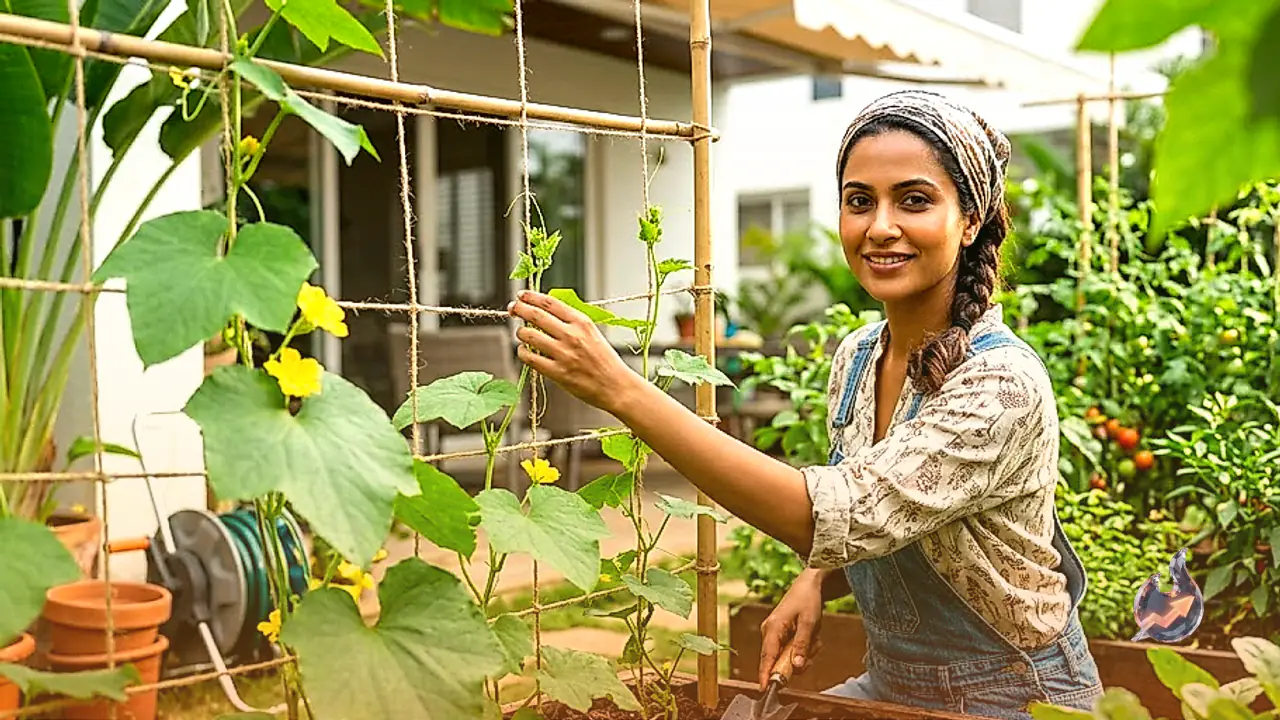
Monsoon rains bring vibrant greenery across the landscape during Sawan, revitalizing the natural world. Planting saplings during this period offers immense spiritual rewards alongside environmental advantages. Positioning Lord Shiva's favorite flora in gardens, balconies, or rooftop terraces helps clear Vastu defects and dispels negative energies. Offering the fresh leaves and blossoms from these plants during daily rituals enhances the spiritual efficacy of prayers. Furthermore, these plants bring long-lasting natural freshness, improving indoor air perception and transforming plain spaces into serene sanctuaries.
Seven Sacred Plants Beloved by Lord Shiva
To invite happiness, peace, and spiritual vitality into your home during this auspicious month, consider cultivating these seven revered plant varieties
1. Belpatra Plant: Worshiping Lord Shiva is considered incomplete without offering Belpatra leaves. The trifoliate leaf structure symbolizes the three eyes of Lord Shiva, known as Trinetra. If you have open ground in your courtyard or garden, planting a Bel tree is ideal. It can also be successfully grown in large pots or heavy-duty grow bags. Because it grows at a measured pace, providing adequate space and time is necessary for proper development.
2. Shami Plant: The Shami plant holds immense significance in both Hindu religious traditions and Ayurvedic practices. Its leaves are traditionally offered to Lord Shiva during Sawan worship. This plant thrives under direct sunshine and requires full daily sun exposure to flourish. Placing Shami in a sunny area of your home is believed to maintain a steady flow of uplifting, positive energy throughout the household.
3. Kaner Plant: Known for its vibrant yellow and pristine white blossoms, Kaner is a favorite flower offered to Lord Shiva. Besides enhancing home aesthetics, it serves as an emblem of auspiciousness. However, safety precautions are mandatory when handling Kaner. The plant exudes a white milky sap from its branches that is toxic. It must be positioned well out of reach of young children and household pets, and hands should be washed thoroughly after maintenance.
4. Aak Plant: The flowers of the Aak plant occupy a special position in Shiva rituals. Highly resilient, this plant tolerates harsh weather, intense heat, and minimal watering. When planting Aak, ensure the soil offers excellent drainage to prevent root rot caused by waterlogging. Caution is advised because the milky latex secreted by stems and foliage can cause sharp irritation to skin and eyes upon contact.
5. Champa Plant: Famed for its elegant appearance and sweet fragrance, Champa is an ideal plant to cultivate during Sawan. Its beautiful blossoms are frequently offered in deity worship. Given sufficient sunlight, Champa grows rapidly, adding a magnificent tropical charm to garden beds and balcony containers.
6. Juhi Plant: Belonging to the jasmine family, Juhi is widely celebrated for its delicate, aromatic flowers. Its small white blossoms are utilized for sacred offerings as well as decorative home arrangements. Juhi requires bright sunlight and well-draining soil to stay healthy. Periodic pruning encourages vibrant new growth and a higher yield of fragrant flowers.
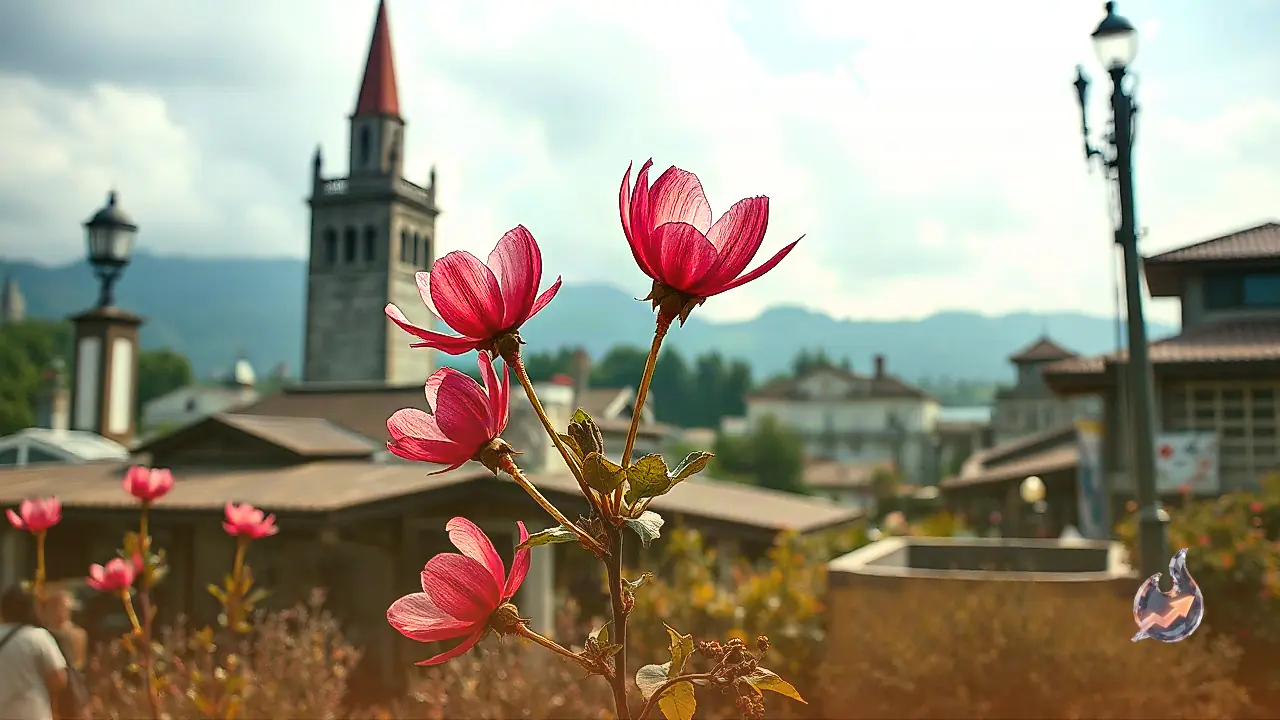
7. Bela or Mogra Plant: Cherished in Indian households for its captivating perfume, Bela or Mogra thrives exceptionally well during warm weather under full sunshine. Regular watering combined with light pruning ensures continuous blooming over extended periods. During Sawan, its soothing aroma infuses the home with a tranquil and divine ambiance.
Essential Maintenance and Safety Guidelines
Nurturing these sacred plants in Sawan requires attentive care tailored to each species. Ensure that every plant receives its ideal balance of sunlight, hydration, and soil nutrients. Species containing toxic sap, such as Kaner and Aak, must be strictly kept in locations inaccessible to kids and domestic animals. With proper seasonal maintenance, these plants will thrive for years, beautifying your home while reinforcing your spiritual practices.
Positive Impact on Home Environment
Selecting these seven plants is an excellent choice for homeowners wishing to combine natural beauty with spiritual harmony this Sawan. Beyond their ceremonial utility, these botanical companions refresh indoor surroundings, instill mental calmness, and radiate peaceful vibes. Bringing them into your living space allows you to enjoy a cleaner, greener lifestyle under the protective blessings of Lord Shiva.