























For home gardeners planning to cultivate fresh and organic vegetables, September offers an ideal window to sow ridge gourd. Growing this vine crop during the monsoon and early autumn proves rewarding, provided proper cultivation methods are followed. Ridge gourd remains in high demand throughout the year due to its nutritional value and quick harvesting cycle. According to agricultural practitioner Mohanlal Dangi, ridge gourd stands among the most accessible vine vegetables to cultivate at home. Implementing correct structural support and drainage techniques reduces the risk of crop damage during rain-heavy periods.
Soil Preparation and Optimal Growing Conditions
Preparing the growing medium thoroughly is the foundation of successful ridge gourd cultivation. Light loam or sandy loam soil with good aeration provides the most suitable environment for root expansion. Prior to planting, the soil should be loosened, pulverized, and leveled properly. Incorporating well-decomposed cow dung manure or compost significantly enhances soil structure, nutrient levels, and moisture retention capabilities. In regions like Rajasthan, the period between September and November, just before the onset of winter, provides the ideal warm and humid climatic conditions. Seeds should be sown at appropriate spacing either on raised beds or in prepared pits.
Utilizing Trellis Systems and Vertical Support
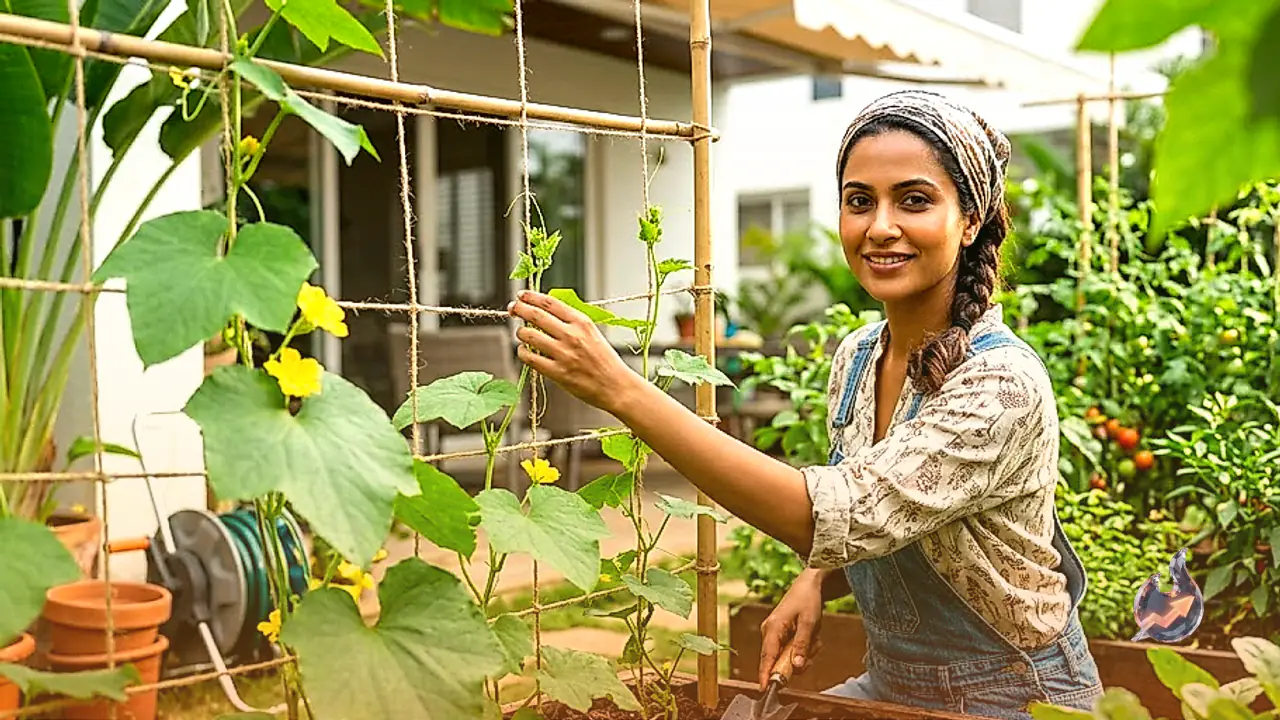
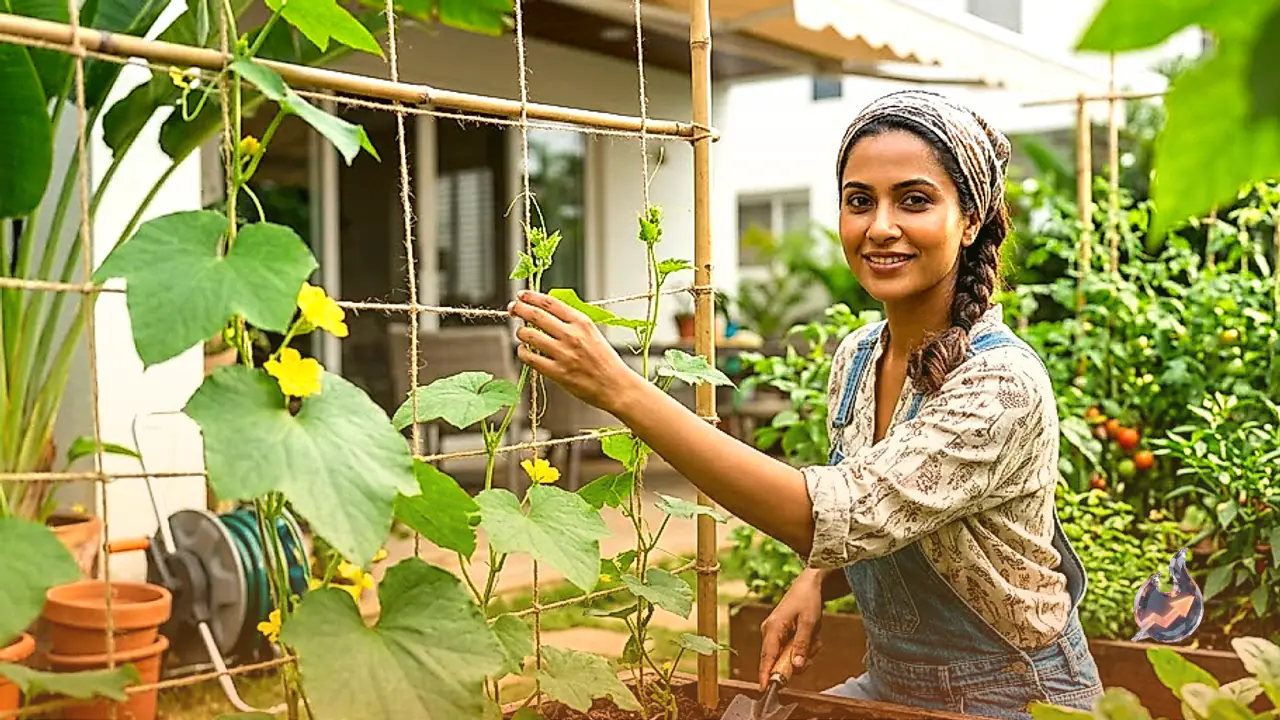
As a climbing vine, ridge gourd requires sturdy vertical structures to reach its full production potential. Gardeners are advised to construct bamboo trellises, wooden frames, or train the vines along nearby walls rather than letting them trail on the ground. Elevating the plant ensures that developing fruits do not come into contact with wet soil, preventing rot and fungal infections. Vertical growth allows sunlight and air circulation to reach all parts of the canopy, boosting overall health. Furthermore, providing ample space for the vines to spread naturally results in larger, uniform, and higher-quality produce.
Water Management and Drainage Protocols
While ridge gourd thrives in humid conditions, effective drainage systems are vital to protect the root network. Accumulated water near the base of the plant leads to oxygen deprivation and root rot, ultimately weakening the entire structure. Sowing seeds on raised mounds or elevated beds ensures that excess water drains away quickly after heavy rainfall. Consistent, balanced watering keeps the plant hydrated, fostering healthy vegetative growth and encouraging timely flowering and fruiting.
Pest Control and Crop Protection Strategies
Ridge gourd plants are susceptible to damage from pests such as fruit flies and aphids. Fruit flies pierce the skin of young gourds to lay eggs, leading to internal decay and fruit drop. Aphids infest leaves and tender shoots, sucking essential sap and stunting plant development. To mitigate these risks, routine inspection and garden sanitation are crucial. Infected fruits should be removed and disposed of immediately. Gardeners should prioritize organic pest control methods or recommended formulations. Chemical pesticides must never be applied without guidance from agricultural experts, as improper chemical usage can stunt crop development and harm beneficial insects.