





















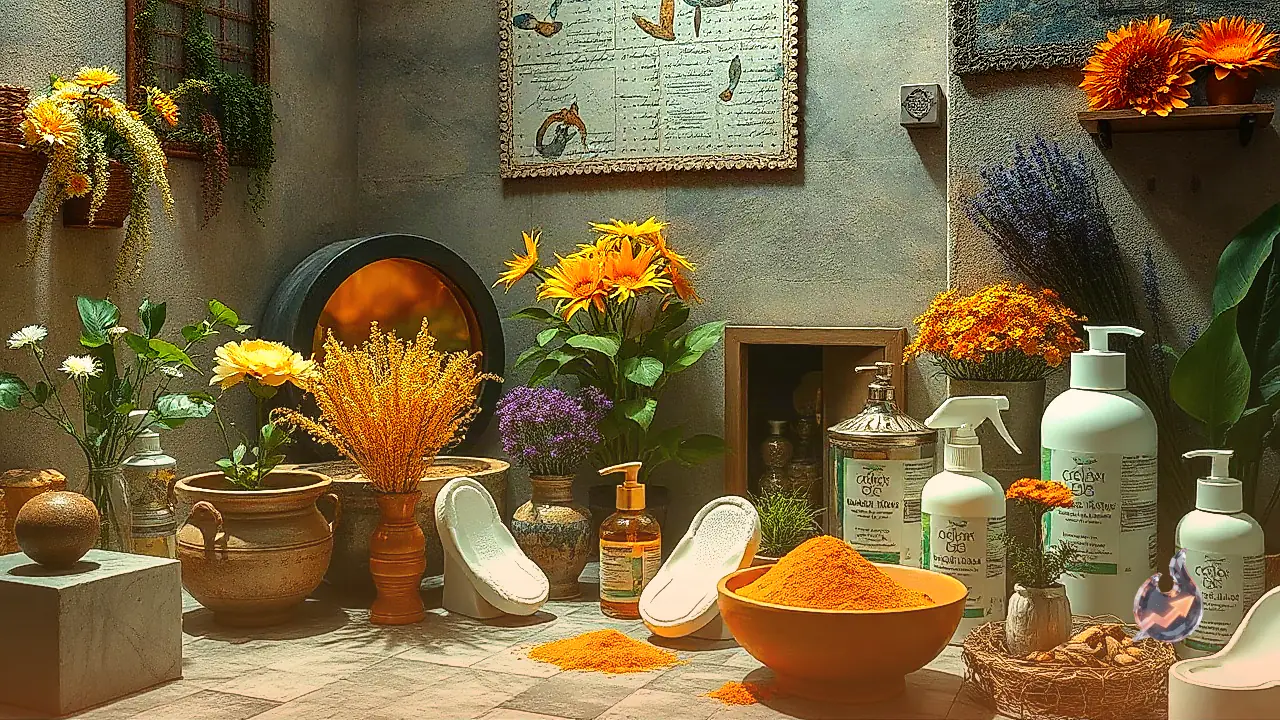

A century ago, the daily skincare and wellness routines of Indian women relied almost entirely on Ayurvedic remedies and botanical treasures. Formulations were created right at home, blending herbs and roots sourced directly from household spice jars and kitchen gardens. Physical well-being, recovery, and comfort were intrinsically intertwined with nature. Later decades witnessed an aggressive industry transition toward synthetic compounds and heavy chemicals, which captivated consumers through sudden, dramatic cosmetic results. Today, bolstered by rigorous scientific research and dermatological validation, the personal care landscape is witnessing a decisive return to selected botanical ingredients.
This revival extends well beyond classic face creams and lotions. Herbal solutions are now routinely integrated into complex nutritional supplements, intimate hygiene washes, and modern sanitary napkins. Ancient plant knowledge is converging with current manufacturing technology to create gentler, clinically backed alternatives for daily use.
Consumer Awareness and Scientific Validation Drive Botanical Revival
Dr. Manju Singh, Senior Consultant in Ayurvedic Gynecology at Varun Herbal Clinic in Delhi-NCR, observes that modern buyers have become exceptionally vigilant regarding ingredient labels on everyday personal products. Consumers now actively look for formulations that are mild on the skin, dermatologically tested, sourced from proven botanical materials, and supported by a long history of safe traditional use with minimal adverse effects.
This sustained demand has prompted laboratory researchers to closely examine the botanical treasures cataloged in traditional healing texts. Vaidya Achyut Kumar Tripathi, Member of the National Academy of Ayurveda under the Ministry of Ayush, explains that numerous medicinal plants are undergoing comprehensive evaluation for their antioxidant, skin-soothing, moisturizing, and antimicrobial properties. Modern product creators are marrying these standardized plant extracts with advanced cosmetic formulations, responding to an ingrained, generational trust in plant-based self-care.
Aloe Vera: A Proven Foundation for Skin Hydration and Soothing Care
Celebrated across centuries for its intrinsic cooling and moisturizing qualities, aloe vera has established itself as an indispensable staple across contemporary personal care categories. The ingredient is widely incorporated into facial cleansers, shampoos, nourishing body lotions, post-sun soothing gels, specialized facial oils, oral rinses, intimate cleansers, and broad femcare merchandise.
The hallmark property of aloe vera lies in its ability to support and retain hydration within epidermal layers without leaving an oily residue. This reliable hydrating performance ensures its ongoing relevance in modern toiletry and cosmetic manufacturing around the globe.
Moringa: Breakthrough Adaptations in Feminine Care and Barrier Support
Moringa has emerged as one of the most dynamic multi-purpose botanicals attracting concentrated focus from the clinical and cosmetic communities. Traditionally celebrated in Ayurvedic practice for its rich nutritional matrix, moringa leaves naturally synthesize abundant vitamins, essential minerals, potent antioxidants, and unique plant compounds with wide functional possibilities.
A notable innovation is the development of dermatologically tested, moringa-infused sanitary pads within menstrual hygiene care. In these advanced napkins, moringa extract is embedded directly into the top layer that rests against delicate skin tissue. This herbal integration works alongside high-performance absorbent cores and breathable top sheets to offer protective comfort. Furthermore, moringa extracts are increasingly used across facial serums and creams to deliver deep conditioning benefits.
Neem: Dependable Everyday Cleansing and Natural Microbial Defense
Neem has functioned as a central pillar of Ayurvedic healing for multiple generations. In contemporary cosmetic formulations, neem extracts are routinely deployed across cleansing soaps, hair care solutions, oral hygiene pastes, and intimate wash preparations.
The incorporation of neem reflects strong consumer interest in daily hygiene products that harmonize ancestral herbal expertise with contemporary processing controls, offering dependable surface purification without excessive harshness.
Chamomile: Delicate Comfort for Reactive and Sensitive Skin Formulations
Recognized for its calming and anti-inflammatory qualities, chamomile is increasingly formulated into merchandise catering to sensitive or easily irritated skin types. The botanical offers gentle care across delicate grooming categories.
From specialized infant skincare lotions to feminine washes, gentle intimate hair removal formulations, and calming facial essences, chamomile serves as an ideal additive for soothing skin discomfort, reducing redness, and fostering a refreshed dermal feel.
Turmeric: Transitioning from Culinary Staple to Active Cosmetic Ingredient
Referred to as Haridra in classical Ayurvedic texts, turmeric holds a permanent historical link with glowing, healthy skin. The cosmetic sector has successfully harnessed its active extracts to develop premium facial cleansers, clarifying washes, restorative serums, and radiance-enhancing moisturizers.
These modern turmeric preparations aim to revive complexion vibrancy and support epidermal vitality. The strong commercial adoption of turmeric illustrates how ancient agricultural ingredients can seamlessly secure a permanent position in modern, science-based cosmetic routines.
Safflower: A Botanical Emollient Guarding Against Friction and Dryness
Safflower has enjoyed historic recognition in traditional health rituals and has now become a widely deployed plant-based emollient in personal care chemistry. Abundant in linoleic acid alongside other essential fatty acids, safflower oil possesses a uniquely lightweight consistency that helps reinforce the natural lipid barrier of the skin.
Thanks to its superior conditioning behavior, safflower oil is integrated into skin moisturizers, hydrating body lotions, and facial cleansers to keep skin supple and resilient. Crucially, it has also found valuable application in feminine and menstrual hygiene formulations, where its smoothing properties help pacify irritation, counter tissue friction, and alleviate discomfort caused by chafing.