





















Plastic chairs kept on balconies, open rooftops, garden patios, or around dining setups frequently lose their original appeal over extended periods. Persistent exposure to harsh sunlight, accumulated dust, monsoon rain, and daily wear gradually fade their surfaces, leaving behind stubborn, unattractive yellow patches. While many homeowners assume that discolored plastic cannot be restored, several practical household solutions can effectively lift these deep-set stains and bring back their clean appearance.
Initial Cleaning with Warm Detergent Solution
The restoration process begins by wiping away all loose dirt and exterior grime with a dry cloth. Once the surface dust is cleared, fill a bucket with warm water and mix in a measured amount of liquid dishwashing soap or laundry detergent. Dip a cleaning sponge or soft-bristled scrub brush into the warm soapy solution and systematically work across the entire chair, paying close attention to seams, textured grooves, and leg joints. This initial wash quickly strips away everyday grease and superficial dirt layers.
Treating Stubborn Spots with a Baking Soda Paste
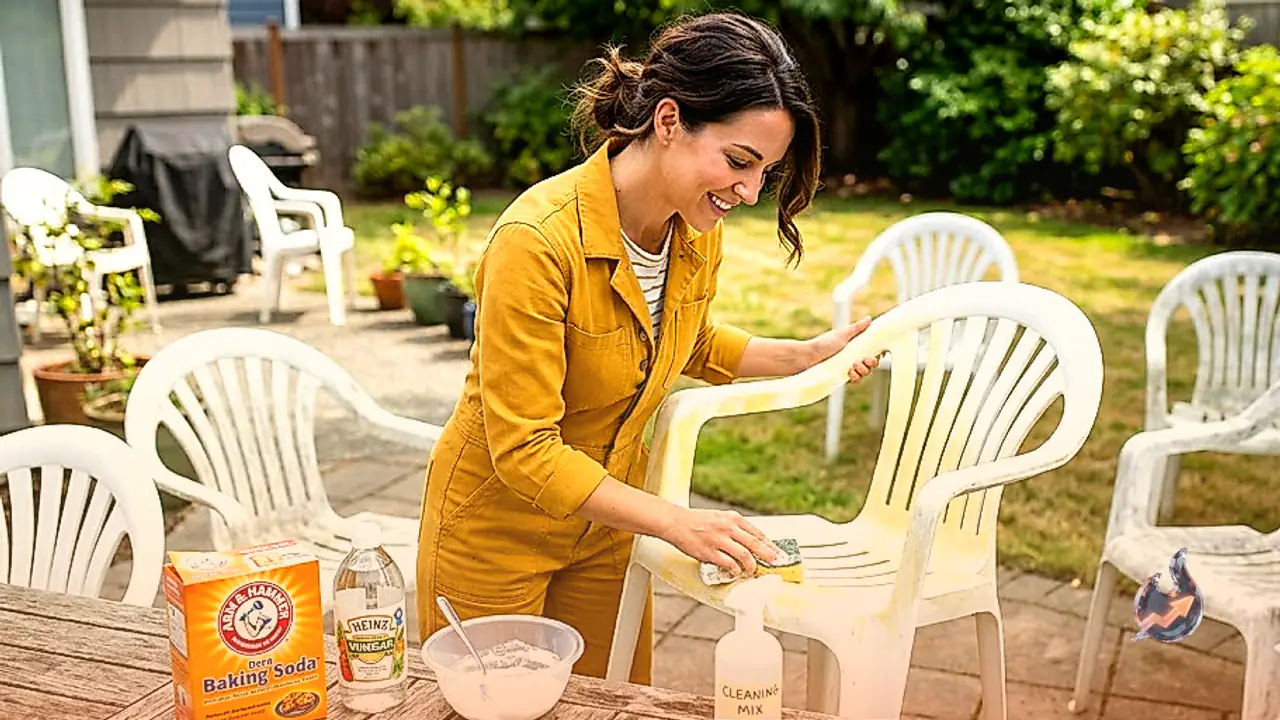
For persistent yellowing or stubborn surface blemishes, baking soda serves as an exceptional mild abrasive and cleaning agent. Create a thick, spreadable paste by mixing pure baking soda with a minimal amount of water. Generously coat all discolored and yellowed zones with this mixture and let it rest undisturbed for 15 to 20 minutes to break down the embedded grime. Gently scrub the treated areas with a brush using circular motions, then rinse thoroughly with fresh water to notice a substantial reduction in discoloration.
Natural Vinegar and Citrus Spray Treatment
White vinegar and fresh lemon juice function as potent natural cleaning agents thanks to their gentle acidity. Combine equal proportions of white vinegar and plain water inside a standard spray bottle, then add a small quantity of freshly squeezed lemon juice to enhance the mixture. Mist the liquid liberally over the entire chair surface and allow it to sit for approximately 10 minutes. Scrub gently with a damp microfiber cloth or brush before washing off. This application eliminates grime while completely neutralizing persistent musty outdoor odors.
Lifting Faint Marks with White Toothpaste
Regular plain white toothpaste works remarkably well for treating isolated spots and minor scuff marks on molded plastic. Squeeze a small dab of white paste directly onto the affected blemish. Using an old toothbrush, gently work the paste over the mark in small circular strokes. After rubbing the spot for a couple of minutes, rinse clean with plain water and dry the area to reveal an unblemished surface.
Applying Mild Bleach for Extreme Discoloration
When outdoor seating has turned deeply yellow from prolonged weathering, a diluted bleach rinse can help restore brightness. Prepare a very mild solution by stirring a small splash of household bleach into a full bucket of clean water. Sponge the diluted liquid evenly over the plastic framework and allow it to dwell for just 5 to 10 minutes before rinsing thoroughly with copious amounts of water. Always wear protective rubber gloves during handling and perform this cleaning outside in a well-ventilated open area.
Preventative Care to Keep Plastic Furniture Bright
Sustaining the restored appearance of plastic furniture requires a few consistent maintenance habits. Never abandon chairs under blazing, direct afternoon sunlight for days at a time, as intense ultraviolet rays cause the material to oxidize and discolor rapidly. Establish a regular wiping routine to prevent dirt from settling permanently into the pores. When chairs remain unused for extended spells, shield them under protective covers, and always wipe them dry with a clean cloth immediately following rainfall.