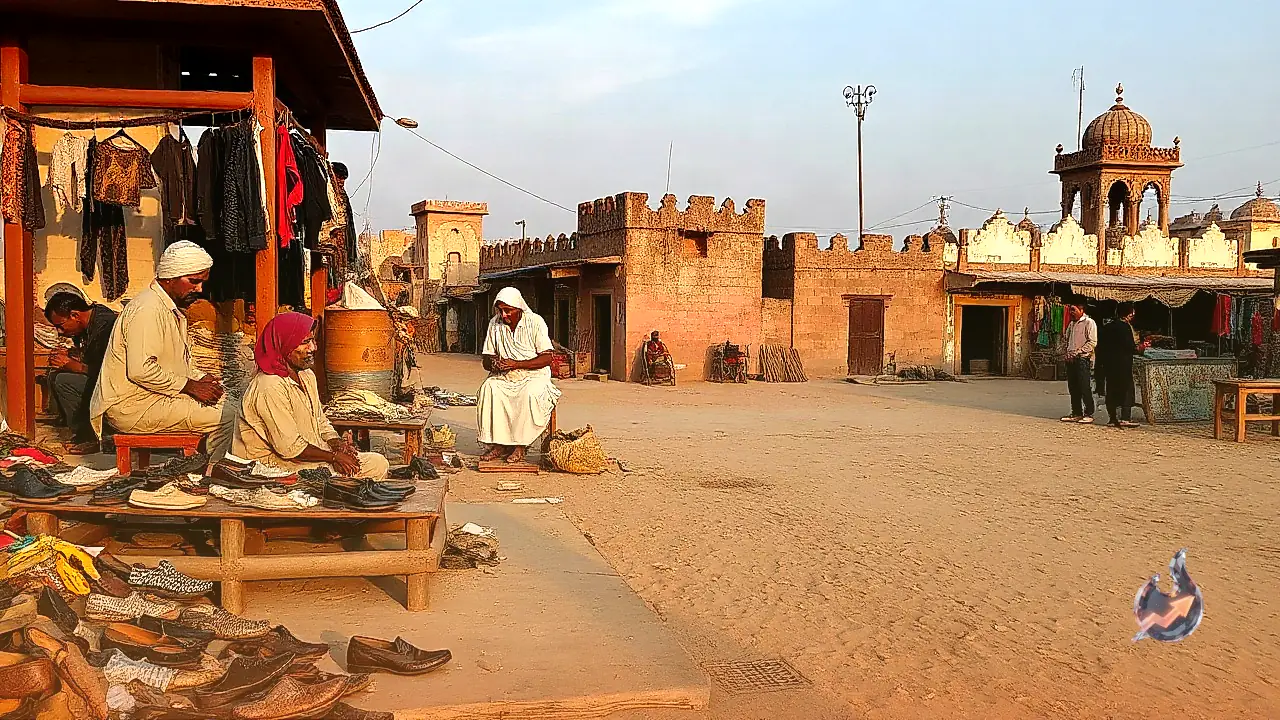


















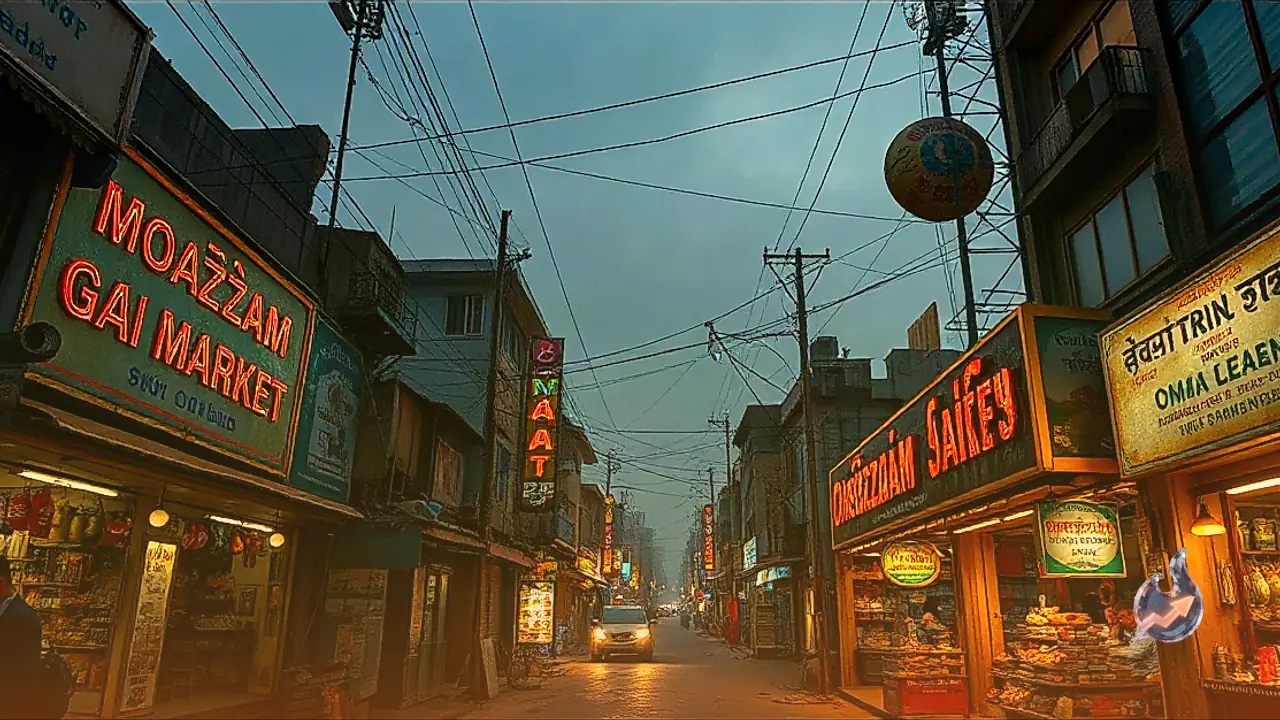

The bustling streets of historic Hyderabad narrate tales of commercial heritage and visual culture through their traditional signboards and handmade typography. Over thirty design enthusiasts gathered at Moazzam Jahi Market in the morning hours to take part in the Lettering Landscapes Walk, led by book designer Ragini Siruguri. The initiative aimed to explore the urban history, indigenous culture, and craft of typography preserved on storefront boards across the city's commercial hubs, demonstrating how everyday shop boards serve as enduring artifacts of civic life.
Typographic Identity at Moazzam Jahi Market
The walking tour commenced at Moazzam Jahi Market, illustrating how shopkeepers historically staked claim to their physical surroundings through creative lettering. For instance, iron chairs placed in the market courtyard feature stenciled lettering of famous establishments, subtly welcoming visitors into the brand's immediate sphere. Meanwhile, the central facade of the market still displays striking Urdu script engraved in metal dating back to 1935, preserving the grand architectural ethos and precision of that period.
Diverse Craft Mediums Across Osman Ganj
Entering the narrow alleys of Osman Ganj reveals an eclectic array of signage traditions. Rather than relying solely on conventional modern boards, the market features varied mediums including wood, neon fixtures, acrylic sheets, hand-painted sheet metal, and carved stone surfaces. Several shops incorporate monograms combining business initials alongside Art Deco-inspired motifs painted directly onto building facades, presenting a rich archive of vernacular graphic design.
Preserving Artistry and Century-Old Artifacts
Handcrafted commercial boards in the area preserve two distinct layers of memory: the heritage of the business, with establishment dates such as 1932, and the identity of the sign painter along with their contact number. Participants documented a wooden signboard over 100 years old outside a modest stove-repair shop, carefully preserved with pride by its owner. Local painters, working without formal design academy training, exhibited mastery over color balance, shading, and figurative illustration that continues to inspire modern design professionals.
Multilingual Harmony in a Rapidly Modernizing City
A defining hallmark of Osman Ganj is its vibrant multilingual presentation, where single boards frequently feature Telugu, Urdu, Hindi, and English displayed side by side in harmony. While newly developed corporate districts like HITEC City are dominated by standardized plastic and digital displays, the traditional hand-lettering craft continues to breathe in this historic market. This coexistence of four scripts reflects India's organic composite culture. In an era dominated by digital production and artificial intelligence, this handmade lettering art keeps the authentic soul and human ingenuity of Hyderabad intact.