






















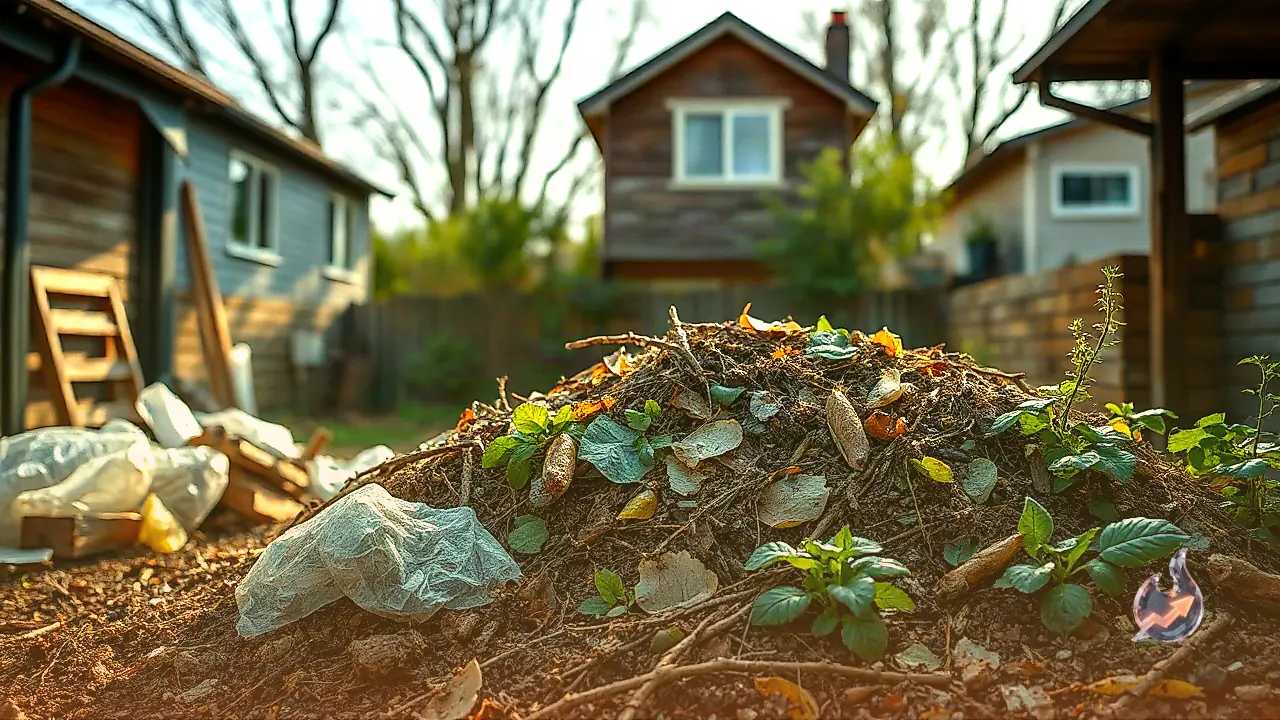

Maintaining a healthy garden does not require purchasing expensive commercial fertilizers from stores. Households generate a large volume of organic waste daily that is typically discarded as trash, including fruit and vegetable peels, yard trimmings, and dry leaves. These everyday materials can be easily converted into highly effective compost. Gardening enthusiasts can set up a DIY compost pit right at home without buying any costly equipment.
Balancing Wet And Dry Materials
Khandwa-based gardening expert Chandrashekhar Mishra explains that dealing with foul odors and flies during composting can be avoided very easily. The key to preventing this issue is maintaining the right proportion of green and brown waste inside the compost pit. For superior quality compost, the method requires mixing one part of green material with two to three parts of brown material. Keeping a higher proportion of dry matter helps control excess moisture and eliminates bad odors entirely.
Understanding Green And Brown Inputs
Green materials include fruit and vegetable peelings, fresh grass clippings, coffee grounds, and green plant cuttings. On the other hand, brown materials consist of dry leaves, twigs, cardboard boxes, paper scraps, and small wood pieces. Having adequate brown matter ensures that extra moisture is properly managed while keeping unpleasant smells away from the area.
Step-by-Step Composting Process
Selecting the right spot in the garden is the crucial first step for making compost. Choose a location with proper ventilation and good drainage where excess water can escape easily. A lightly shaded area is considered ideal for a compost pit, though sunny spots also work if water does not accumulate there. Stagnant water reduces oxygen levels inside the pit, which leads to rotting and severe odor issues.
Never dump kitchen waste directly onto bare ground without preparation. Create the bottom layer of the compost pit using dry twigs, small branches, or wood chips. This layer should be roughly ten to fifteen centimeters thick to maintain proper airflow and allow excess moisture to drain downward. Alternate layers of wet and dry waste should be added only after setting up this foundational base.
Preventing Flies And Odors
Kitchen waste must never be left exposed inside the compost pit. Whenever fruit or vegetable peels are added, cover them immediately with a layer of dry leaves, shredded cardboard, or other brown material. This prevents the waste from staying in direct contact with the air, significantly reducing flies and foul smells.
The compost should not be allowed to become overly wet. While moisture is necessary, the pit must not be waterlogged. If the mixture gets too wet, add extra dry leaves or shredded cardboard. During the rainy season, keep the pit covered to prevent excessive rainwater entry while ensuring air circulation remains active. Turning the material periodically ensures that oxygen reaches deep inside and breaks down the contents evenly.
Materials To Avoid
Meat, fish, dairy items, oily foods, cooked spicy dishes, plastics, and non-organic trash should never be placed into the compost pit. Following proper material ratios and moisture control turns household refuse into dark, earthy-smelling organic fertilizer in a short time. This practice reduces household waste and removes dependency on commercial plant foods.