























Home gardeners looking to improve plant vitality often discover that ordinary kitchen scraps hold surprising agricultural value. The dry outer layers of onions are routinely tossed into the trash during everyday cooking preparation. Repurposing these discarded peels into a nourishing organic liquid provides an accessible, cost-effective way to support container gardening. The organic compounds and trace nutrients residing in dried onion skins can assist in sustaining steady plant growth, though this home-brewed solution functions best as a supplemental feed rather than a complete replacement for primary compost.
How to Brew the Organic Liquid Solution
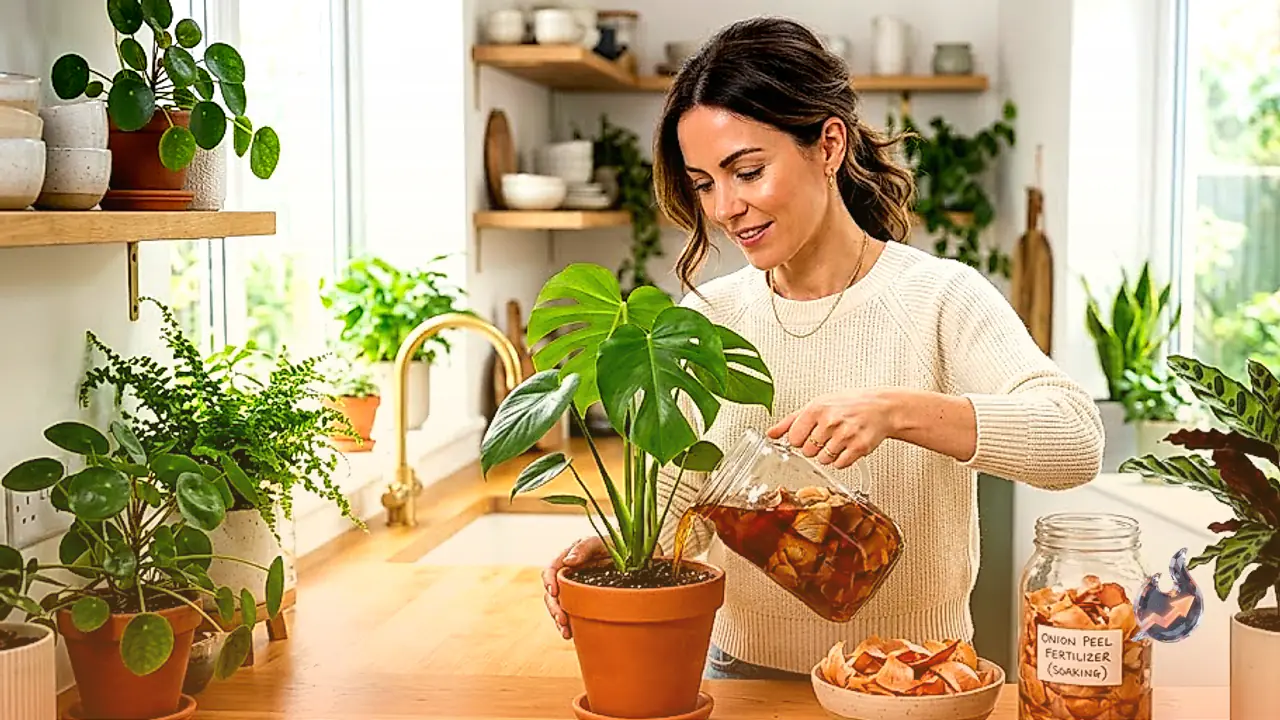
Crafting this homemade plant nourishment requires minimal effort and standard household equipment. The process begins by gathering the outer skins of 4 to 5 clean onions. Because kitchen trimmings often collect stray dirt or particulate grime, washing them thoroughly under running water ensures only clean material enters the infusion. Next, place the cleaned peels into approximately 1 liter of fresh water inside a clean container. Allowing the submerged mixture to steep undisturbed for 24 to 48 hours gives the organic components sufficient time to leach into the liquid.
Application Techniques and Garden Precautions
Once the 24 to 48-hour infusion window concludes, strain the mixture to separate the enriched liquid from the spent skins, which can then be discarded. The resulting nutrient-infused water is ready for garden use, although diluting it with a bit more fresh water before pouring is generally recommended to keep the mixture gentle. Gardeners must exercise restraint regarding quantity, taking particular care not to flood compact potting containers with heavy concentrations.
The simplest and most direct application method involves pouring the strained solution straight into the soil. Administer the liquid around the perimeter of the plant base when the soil is already damp or following a regular watering session. When treating miniature pots, begin with small amounts and monitor the foliage and stems over the ensuing days to observe how the plant responds to the gentle nutrient addition.
Flowering Requirements and Storage Guidance
For ornamental flowering varieties, incorporating this homemade liquid into routine garden maintenance offers a mild organic boost. Relying solely on onion peel infusions will not guarantee an abundance of blossoms, because vibrant flowering depends equally on appropriate sunlight exposure, structured hydration, porous soil quality, ambient temperature levels, and comprehensive nutrient management.
Fresh preparation yields the most reliable results, so storing the steeped liquid over prolonged periods should be avoided. If the saved mixture begins generating foul odors or visibly deteriorates, it has spoiled and should not contact plant beds. Any excess batch that exhibits signs of spoilage or is no longer fresh must simply be poured out and discarded.