



















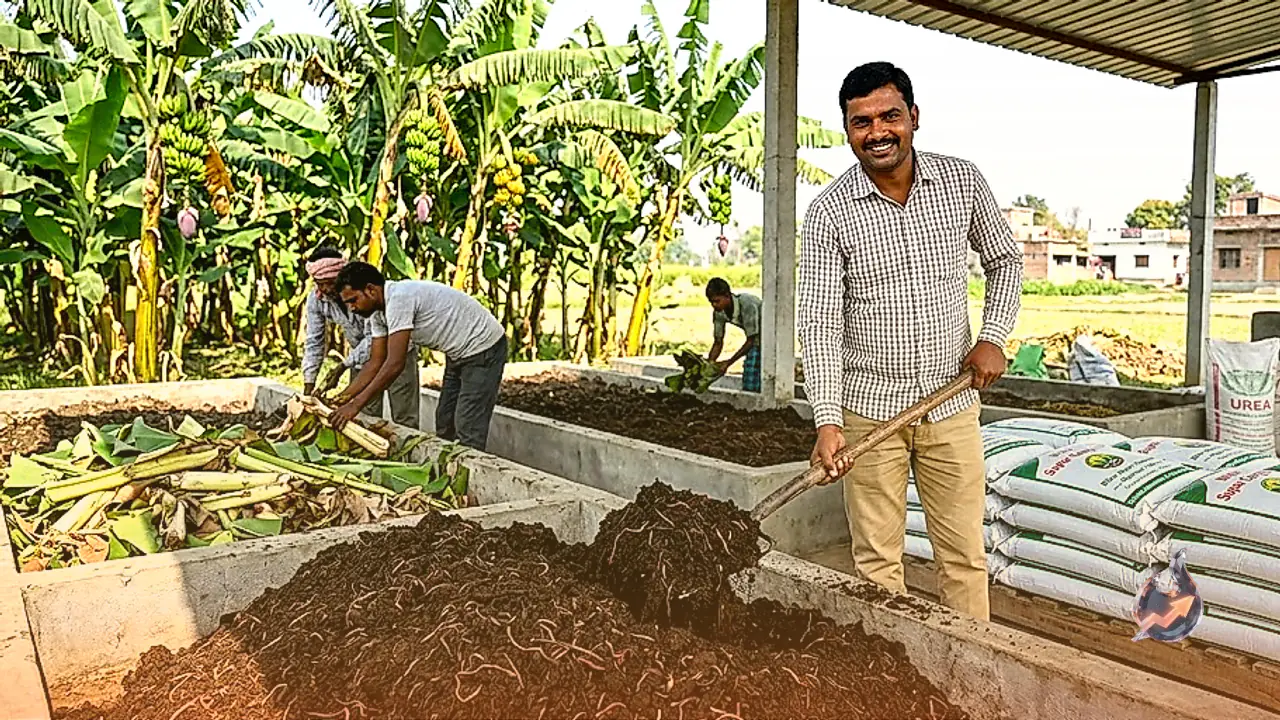

A sustainable approach to managing farm residue has gained momentum in the Begusarai district of Bihar, where discarded banana plant stems are being turned into potent vermicompost. While farm residue is routinely treated as unusable trash once fruit is harvested and fiber is removed, this organic waste is now being converted into an enriched soil amendment that directly rivals conventional chemical inputs like urea and NPK. The banana crop offers distinct advantages in zero-waste agriculture, as virtually every component of the plant, from its fruit to its central stalk and underground roots, can be repurposed for productive applications.
Transforming Post-Fiber Waste into Sustainable Fertilizer
The mechanical extraction of natural fiber from banana stems yields a substantial volume of leftover organic pulp and plant residue. According to Rakesh Kumar, this byproduct is frequently dismissed as useless debris, but systematic processing transforms it into a premium base for earthworm-assisted composting. The resulting organic fertilizer holds documented utility across modern agricultural practices, proving equally effective for nourishing banana plantations, cereal crops, and ornamental container plants. As consumer interest in organic produce and ecological soil care steadily expands, the regional market demand for this compost has seen notable growth.
The Systematic 45-Day Production Cycle
Refining raw banana residue into clean, field-ready vermicompost requires a disciplined timeframe of approximately 45 days. The manufacturing procedure is carried out across distinct operational phases to ensure full microbial conditioning
- Initial Curing Phase: The raw, fibrous residue is first exposed to open sunlight for roughly 15 days. This pre-treatment step generates vital internal heat, reduces excess moisture content, and softens the structural fibers so the organic matter is primed for biological breakdown.
- Earthworm Digestion Phase: Once cured, the conditioned material is moved into dedicated composting beds where earthworms consume and transform the organic biomass into nutrient-rich castings.
- Screening and Packaging: After the biological cycle concludes around the 45-day mark, the processed compost undergoes thorough mechanical filtration and sifting. This separating stage strips out coarse remnants, leaving behind a fine, uniform granular compost ready for immediate field or container application.
Applications Across Large Acreage and Urban Pots
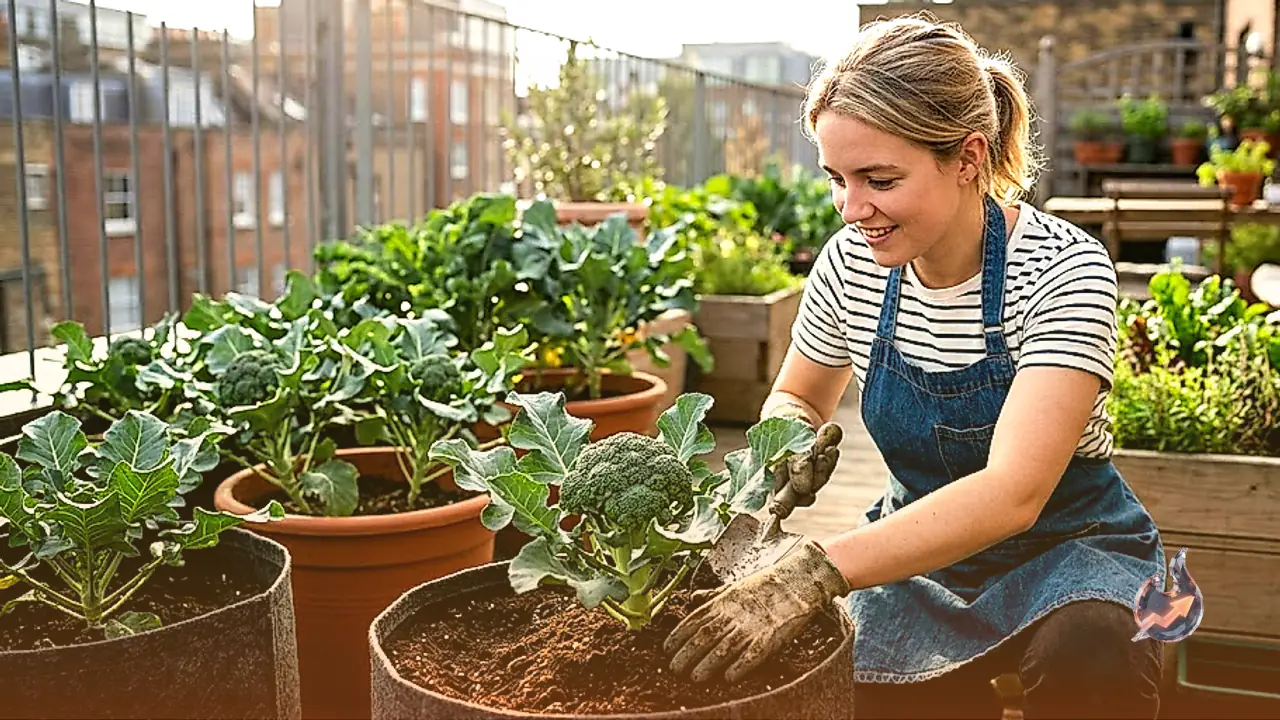
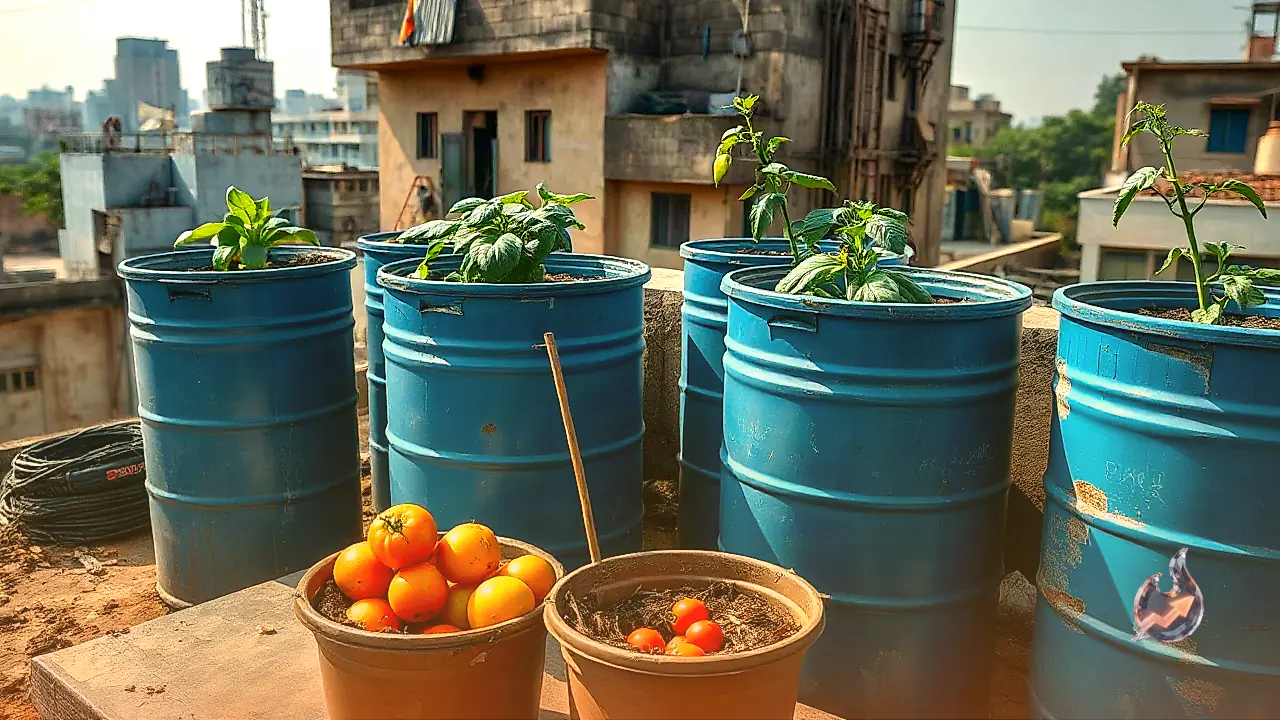
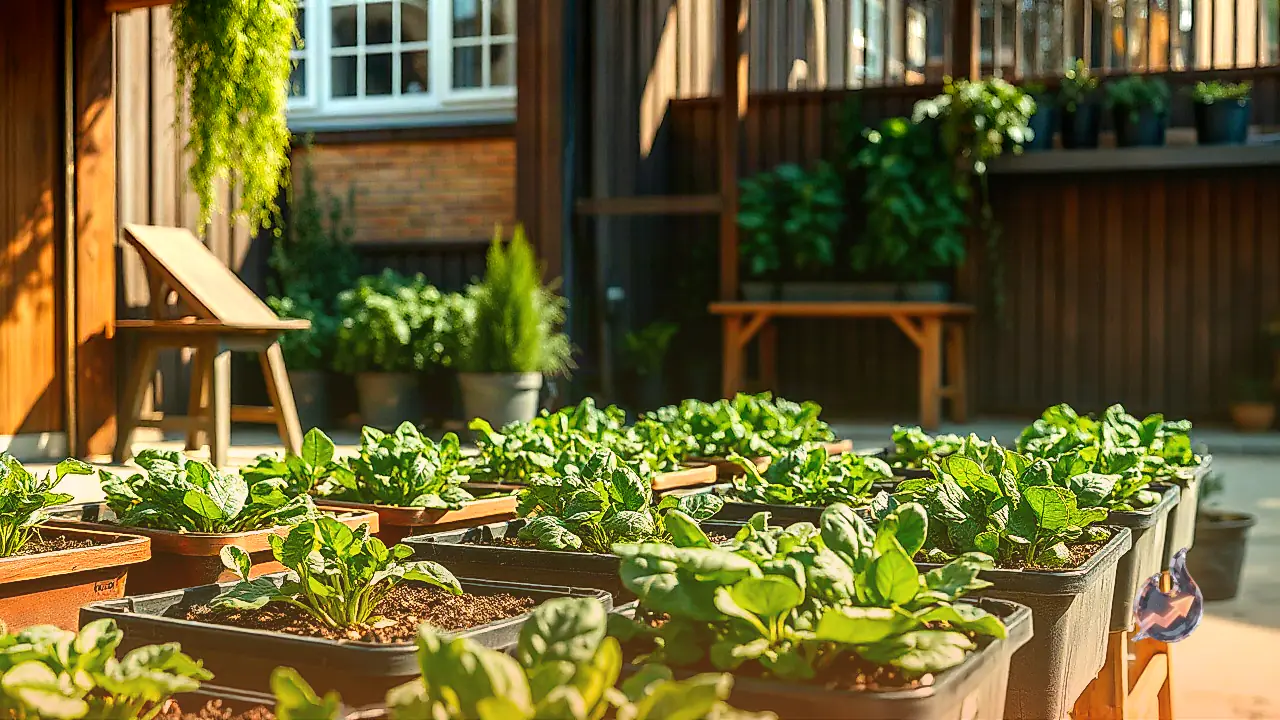
Rakesh Kumar points out that the finalized vermicompost caters seamlessly to both commercial farming operations and residential gardening setups. Rooftop farming, balcony nurseries, and kitchen gardens have emerged as widespread trends across both metropolitan hubs and rural localities. Urban hobbyists cultivating vegetables, flowering plants, and foliage in pots require reliable nutrition without the risk of root scorch associated with harsh synthetics. Similarly, conventional farmers seeking a gradual transition away from total chemical dependency can integrate this compost as an effective organic supplement, enhancing long-term soil structure while maintaining vital nutrient availability.
Market Valuation and Commercial Opportunities
This upcycling model converts what was once an environmental clearance burden into a sustainable secondary income stream. Rakesh Kumar notes that the finished vermicompost commands a wholesale price ranging from ₹7 to ₹12 per kilogram. In retail nurseries and urban garden centers, the packaged product retails at around ₹15 per kilogram. The consumer base for this product splits into two distinct segments: broadacre agricultural growers purchasing bulk quantities to nourish cash crops organically, and residential plant growers purchasing smaller quantities for container gardening. By turning stem residue into marketable compost, the process establishes a practical blueprint for rural resource recovery.