






















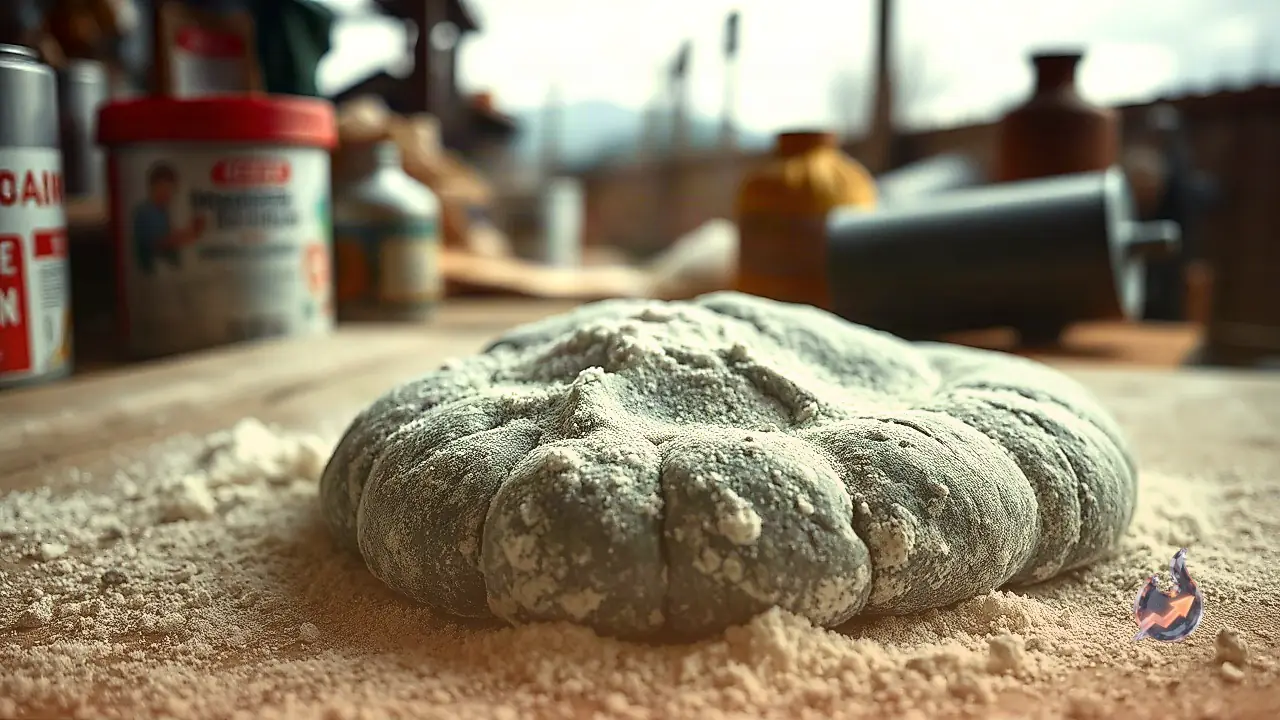

To eliminate the chore of preparing fresh dough before every single meal, many households choose to knead a substantial batch at once and store it in the refrigerator. Having pre-made dough on hand makes assembling flatbreads and rotis during busy mornings or rushed dinner hours remarkably convenient. However, home cooks frequently observe that after resting in the fridge for a few hours, the outer crust of the dough turns an unappealing dark grey or blackish tone. This discoloration often leads people to assume the entire batch has spoiled, while others simply scrape away the blackened crust and proceed with the remaining dough. Understanding the underlying science behind this shade transition and adopting sound food storage practices can protect both culinary texture and family wellness.
The Underlying Causes of Dough Darkening and Discoloration
The primary factor responsible for the shifting color of chilled dough is a natural chemical phenomenon known as oxidation. The moment water hydrates wheat flour, intrinsic enzymes and biological compounds within the grain activate. When this prepared dough is left exposed to atmospheric oxygen, these active compounds react directly with the ambient air. Over a period of several hours, this oxidative reaction steadily transforms the dough surface from its customary creamy white hue into an uninviting dark grey or black tone.
Furthermore, the dry circulating air inside home refrigerators accelerates this deterioration significantly. Storing dough uncovered or in loosely sealed vessels leaves its exterior perpetually vulnerable to dehydration from circulating airflow. As surface moisture evaporates rapidly, the outer skin hardens into a tough, discolored rind. In addition to dehydration, extended storage duration, erratic cooling temperatures, or lapses in basic hygiene during handling can promote microbial growth. Whenever stored dough exhibits sour odors, abnormal stickiness, or fungal spotting, microbial activity has taken hold, rendering the dough unsafe for consumption.
Best Practices for Storing Prepared Dough in the Chiller
Whenever you prepare dough ahead of time, your foremost defensive strategy must be keeping it completely shielded from open air. As soon as the kneading process concludes, transfer the dough immediately into a thoroughly clean, completely dry, airtight storage container. Ensure the lid latches firmly and securely on all edges so that dry refrigerator breezes cannot seep inside and initiate moisture loss.
A practical preventative step involves brushing the upper surface of the dough with a very light film of cooking oil prior to sealing the container. This thin lipid coating serves as an effective barrier against both oxidation and moisture evaporation, preventing the crust from drying out prematurely or darkening rapidly. Once oiled and sealed tightly, the storage box should be placed into the refrigerator without lingering at room temperature.
Storage Lifespan and Practical Preparation Advice
Allowing moist dough to rest at ambient room temperature encourages rapid enzymatic breakdown, making prompt chilling essential. From a health perspective, keeping prepared dough for short durations remains the safest approach. Before incorporating any stored batch into daily cooking, always conduct a brief sensory check evaluating its scent, surface texture, and general appearance.
When dealing with a substantial batch of kneaded flour, avoid cramming the entire volume into a single large container. Instead, divide the mass into smaller portions or individual meal-sized segments across separate compact boxes. Portioning prevents the entire bulk from undergoing repeated temperature swings and condensation exposure every time you fetch a small portion for cooking.
Attempting to roll flatbreads straight from the chilling chamber presents mechanical difficulties, as cold fats and starches make the dough overly stiff and resistant. Remove solely the required quantity from refrigeration a brief period prior to cooking, giving it adequate time to adjust to ambient room temperature and regain its natural elasticity. A gentle knead after warming restores optimal texture for smooth rolling.
Identifying Safe Dough Versus Batches That Must Be Discarded
If the dough displays only a superficial color darkening on its outermost layer while remaining free from foul odors, surface mold, or excessive slime, the batch is typically salvageable. In such circumstances, gently peeling away the affected outer rind allows the soft interior to be used safely for flatbreads.
Conversely, if the stored dough begins releasing an unmistakably sour or rotten stench, feels unusually slimy to the touch, or reveals visible mold spores in white, green, or black patches, do not attempt to salvage it. Consuming biologically degraded dough carries digestive risks. Under these conditions, the only responsible action is discarding the entire portion immediately. By strictly maintaining clean containers, ensuring airtight seals, and chilling without delay, you can keep stored dough fresh and dependable.