






















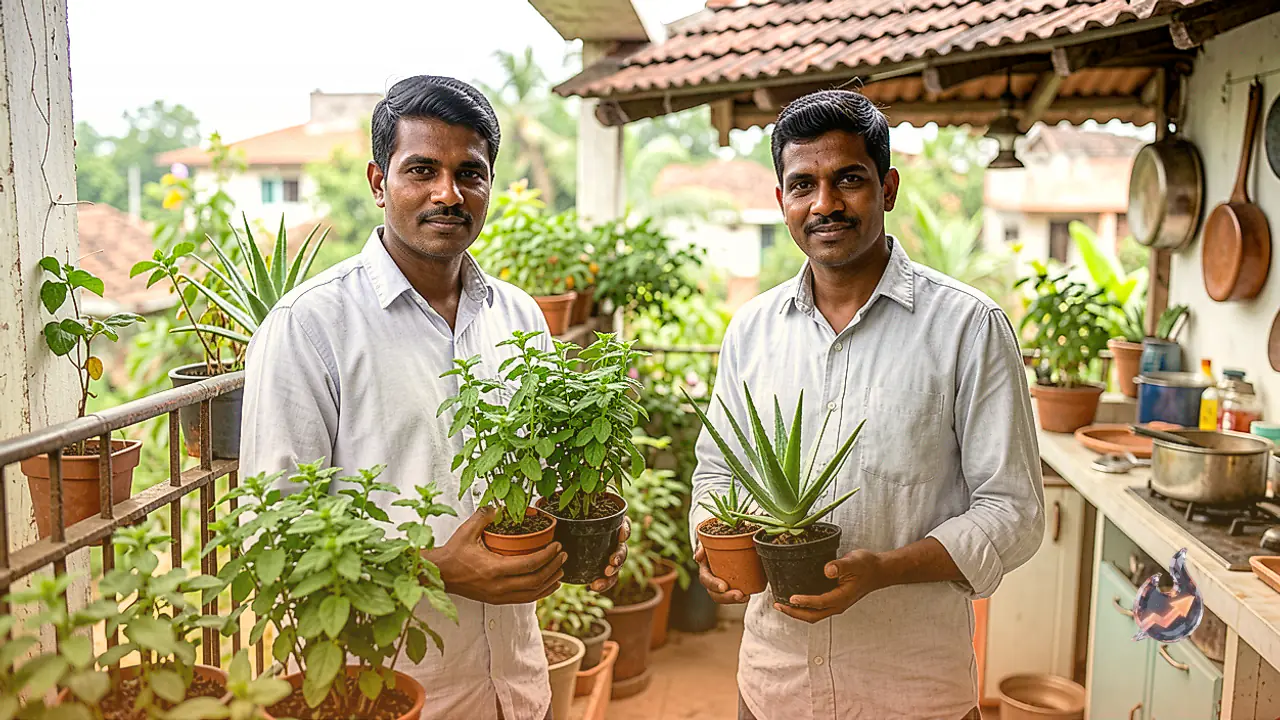

If you share a passion for growing plants in your home balcony, rooftop, or courtyard, you might want to consider setting up a small kitchen garden featuring plants that not only enhance your home aesthetics but also serve daily household and health needs. You do not require a massive garden or expensive pots for this purpose. You can successfully cultivate several medicinal plants using grow bags, pots fashioned from old containers, or even ordinary garden soil. The best part is that some of these plants mature in a short time, allowing you to start utilizing their leaves almost immediately. Anshuman Singh, a farmer from Satna, shared with local media that five major medicinal plants including Tulsi, Aloe Vera, Lemon Grass, Giloy, and Mint can be easily grown at home from late October to mid-November. The unique advantage of these plants is that with proper care and adequate space, they help maintain continuous greenery around your home for a long time.
Tulsi Care and Traditional Uses
Tulsi is an easily available plant found in almost every Indian household, holding profound religious significance alongside extensive traditional domestic uses. Its fresh leaves are widely used in preparations like tea and herbal decoctions. Many people also rely on Tulsi during common colds and seasonal illnesses. It is best placed in a location that receives four to six hours of direct sunlight daily. Once the plant reaches about six to eight inches in height, you can begin harvesting its leaves. Typically, a small plant takes around thirty to forty-days to become ready for leaf harvesting. To make the Tulsi plant bushier, keep pinching the top shoots from time to time. Removing the flower stalks as they appear also helps sustain the plant growth.
Aloe Vera Thrives with Minimal Water
If you do not have much spare time to look after plants, Aloe Vera makes a convenient and resilient choice. The natural gel enclosed within its thick leaves is utilized across numerous skin and hair care products. To grow this plant, select a pot with adequate drainage holes at the bottom. Aloe Vera loves ample sunlight but does not require frequent watering. Water it only after the soil has completely dried out, as excess moisture can rot its roots. The plant takes roughly three to six months to produce harvestable leaves. When the plant grows sufficiently, cut the thickest outer and lower leaves near the base.
Brewing Aromatic Herbal Tea with Lemon Grass
Lemon Grass leaves emit a refreshing citrusy aroma and find primary use in preparing herbal teas. Its pleasant fragrance and warm beverage format can help people feel relaxed and refreshed. Position this plant in an area that receives adequate sunlight. While the plant needs water to grow, water must never accumulate or stagnate inside the pot. Generally, the grass becomes ready for use within sixty to ninety days. Once the stalks grow thick enough, cut the leaves and grass about two to three inches above the ground level. Proper maintenance allows the plant to regenerate and provide fresh leaves for future use.
Giloy As a Climbing Vine
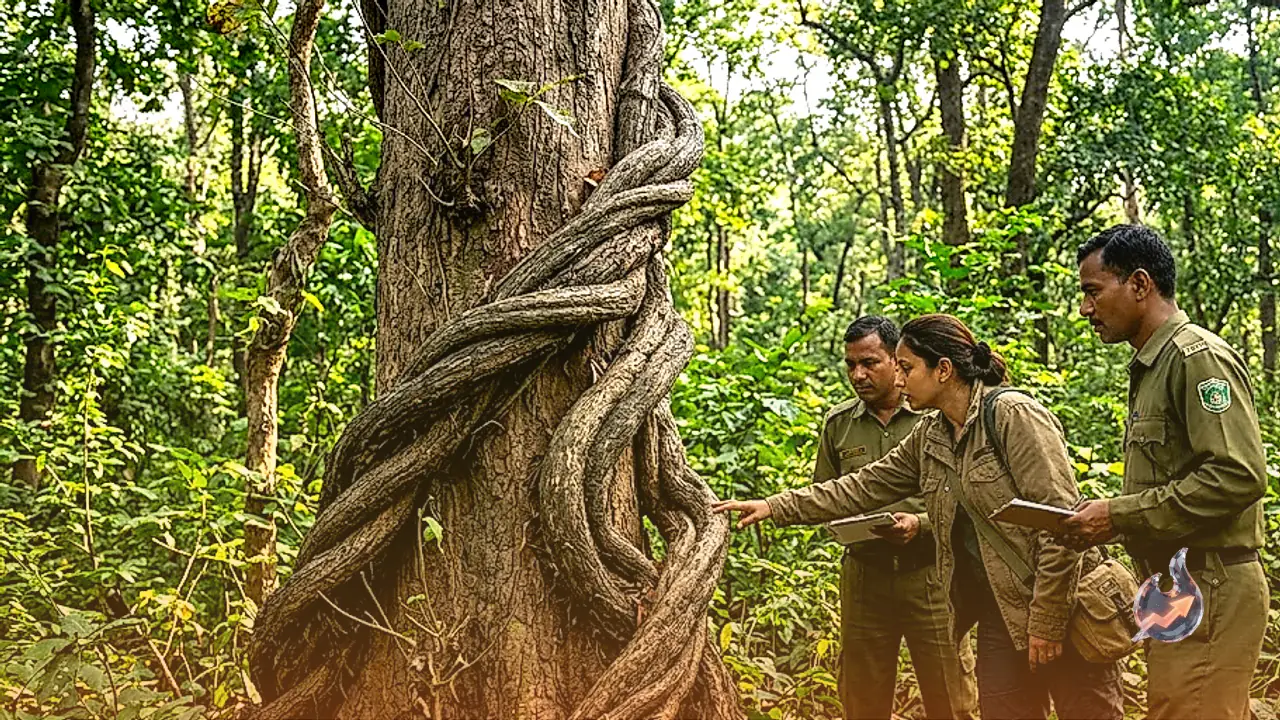
Giloy is a climbing vine variety that can be easily grown near a home wall, trellis, or any sturdy support structure. It has long been utilized within traditional medicinal practices. Once planted, it is essential to provide the vine with adequate space to spread and a supportive structure to climb. In about three to four months, its stems can grow as thick as a pencil, after which you can use the stems according to your requirements.
Mint As a Fast-Growing Herb
Mint is an ideal choice for individuals who want to harvest leaves from their kitchen garden within a short timeframe. Its leaves are useful in chutneys, summer drinks, salads, and various culinary recipes. Traditionally, it is also utilized to address digestion-related discomforts. It can be grown in areas with partial shade or morning sunlight. Mint propagated through cuttings becomes ready for use within fifteen to thirty days. When its stems reach about six inches in length, harvest the leaves from the top. Because it grows rapidly, it is best cultivated in a separate dedicated pot.
Soil Mixture and Essential Care Guidelines
According to experts, successfully growing these plants requires good drainage in the soil mixture. You can prepare a rich growing medium by mixing fifty percent ordinary soil, thirty percent well-rotted cow dung manure or vermicompost, and twenty percent sand. Every pot must feature a drainage hole at the bottom. Keep the soil for Tulsi and Mint moderately moist, while watering Aloe Vera only after the soil dries out completely. Place Tulsi, Lemon Grass, and Aloe Vera in sunny locations, whereas Mint can thrive even in partial shade. Regularly removing dry leaves and trimming the top shoots of Tulsi and Mint helps keep the plants dense and healthy. By utilizing a small space and proper care, you can establish your own compact medicinal kitchen garden at home. Remember that medicinal plants can support domestic health needs, but you should never rely on them as a substitute for medical treatment or professional disease cures.