
















Auspicious planetary timings have been established for the sacred ritual of Dashain Tika across Nepal and neighbouring territories for 2026. Within the Nepali diaspora and across Nepal itself, this moment marks the emotional and spiritual core of the grand festival, where household elders apply the traditional mixture of rice, yogurt, and vermilion to the foreheads of younger relatives alongside holy jamara sprouts. Official astronomical assessments place the prime blessing hour in Kathmandu at 10:26 AM local time on October 21. For Nepali households based around Delhi, the recommended ritual window falls on the very same morning at 9:11 AM local time.
Understanding the Calendar Discrepancy Between India and Nepal
A frequent question among observers centres on why major festival dates diverge between the two countries. Across vast swathes of northern, central, and western India, the broader public observance of Dussehra takes place on October 20 in 2026. Conversely, the pinnacle of Nepal's festive calendar, Vijaya Dashami, occurs on October 21. Notably, eastern Indian pockets including West Bengal also align several festive observances with October 21.
These differing schedules stem from traditional astrological calculations rather than timezone gaps alone. While Nepal standard time sits fifteen minutes ahead of Indian standard time, festive schedules depend directly upon regional sunrise moments, the exact commencement and conclusion of the Dashami tithi, and afternoon ritual requirements. Local astronomical committees interpret these specific celestial parameters when selecting the most propitious hours for community worship.
Official Decisions by Calendar Authorities
The designated body for astronomical determinations in Nepal, the Nepal Panchanga Nirnayak Bikas Samiti, ratified 10:26 AM on October 21 as the most auspicious moment for the Tika ritual in Kathmandu. Recognising that millions of Nepali citizens reside outside the homeland, the International Calendar Determination Committee released city-specific guidelines for cross-border communities. Under those directives, families situated in Delhi are advised to commence their ceremonies at 9:11 AM, ensuring compliance with local solar alignment and religious guidelines.
The Cultural Essence of Jamara and Generational Blessings
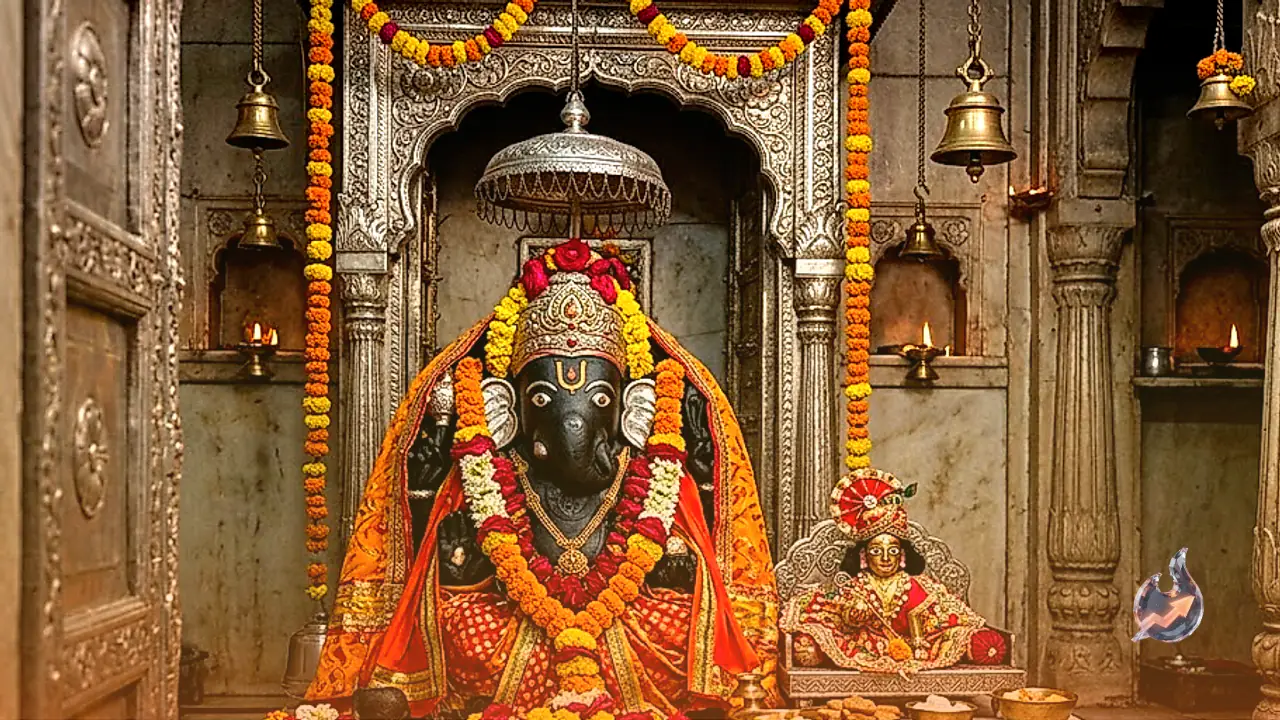
Beyond celestial charts, Dashain functions as a vital homecoming season. Relatives travel long distances to reassemble in ancestral homes, venerate Goddess Durga, and renew familial ties. The red vermilion paste and the golden-hued jamara barley shoots are received as direct blessings from the deity, symbolizing prosperity, health, and resilience.
During the gathering, senior family members bestow well-wishes upon younger generations, praying for their advancement and inner peace. Grounded in timeless lore, Vijaya Dashami celebrates the victory of virtue over vice. Even as ritual traditions, local dates, and exact auspicious hours adapt to geographic frontiers, the underlying celebration of righteousness and unity remains consistent throughout the region.