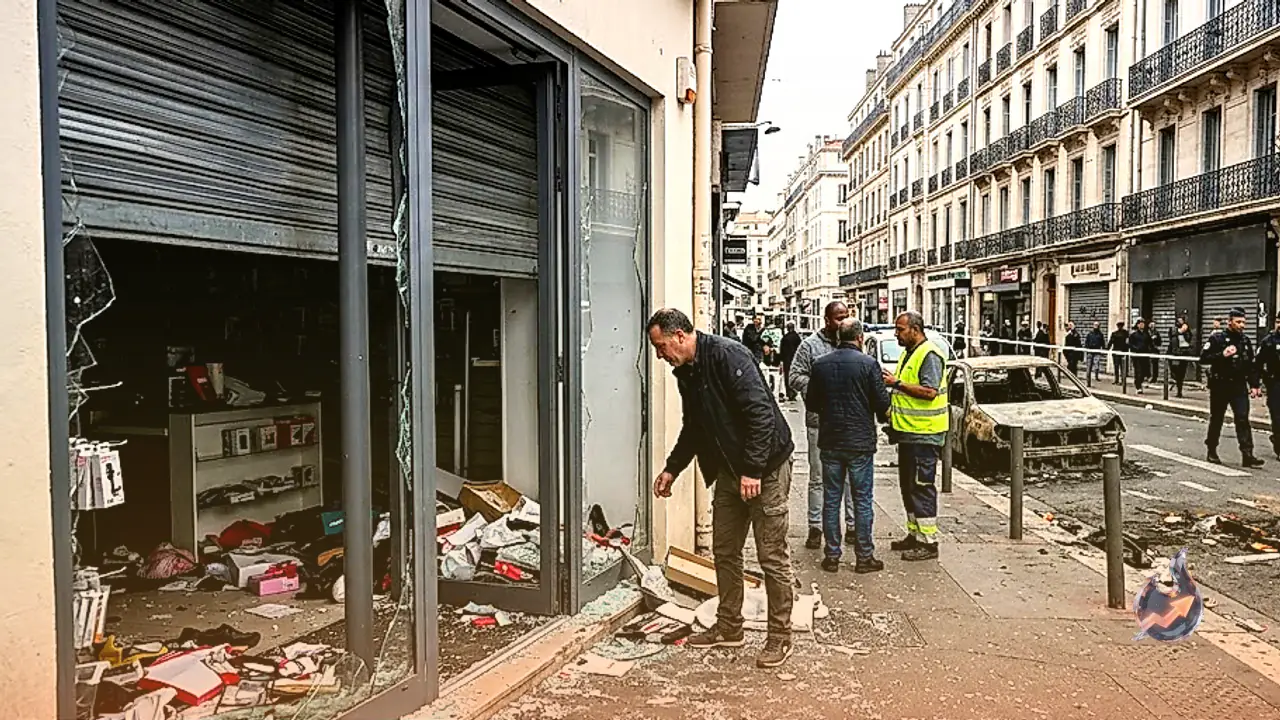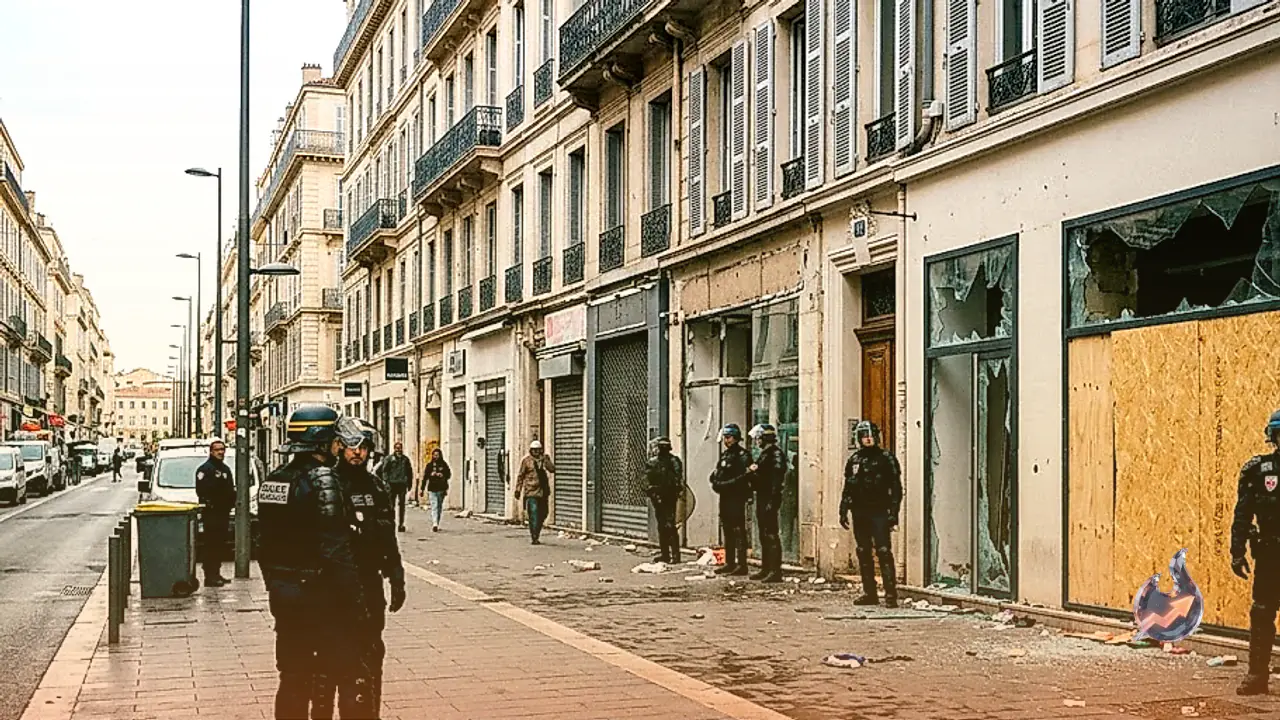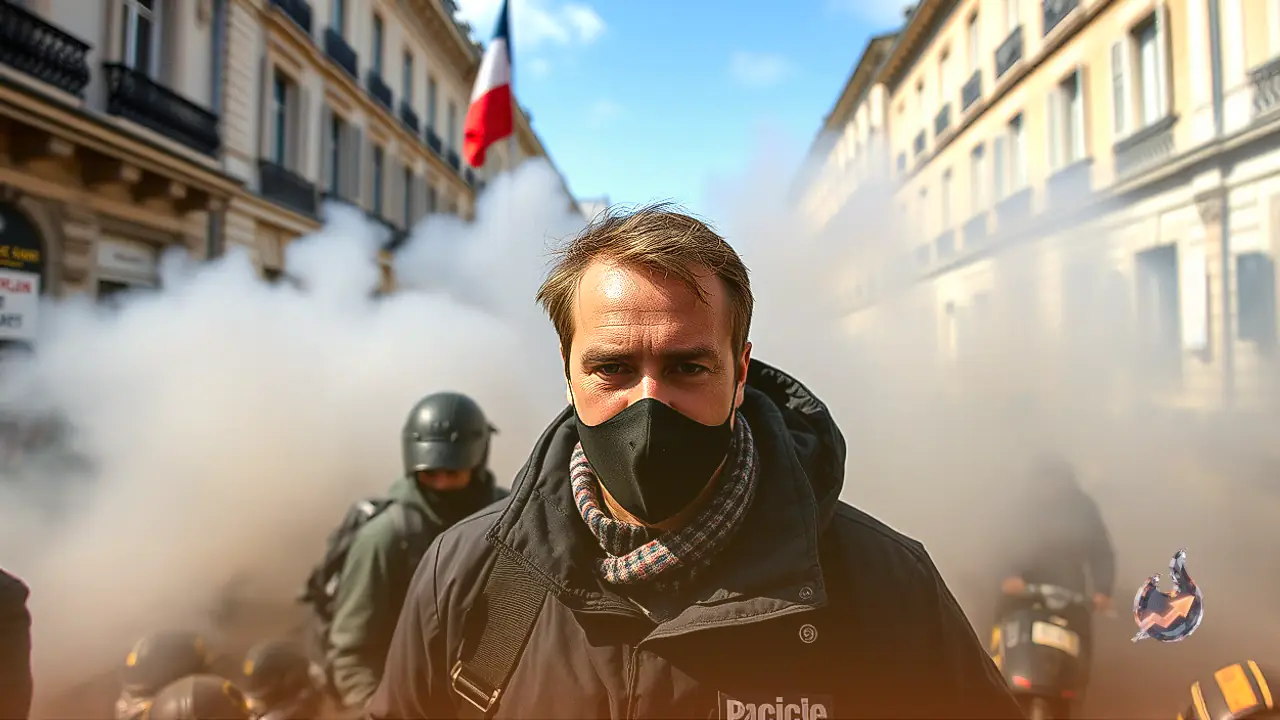

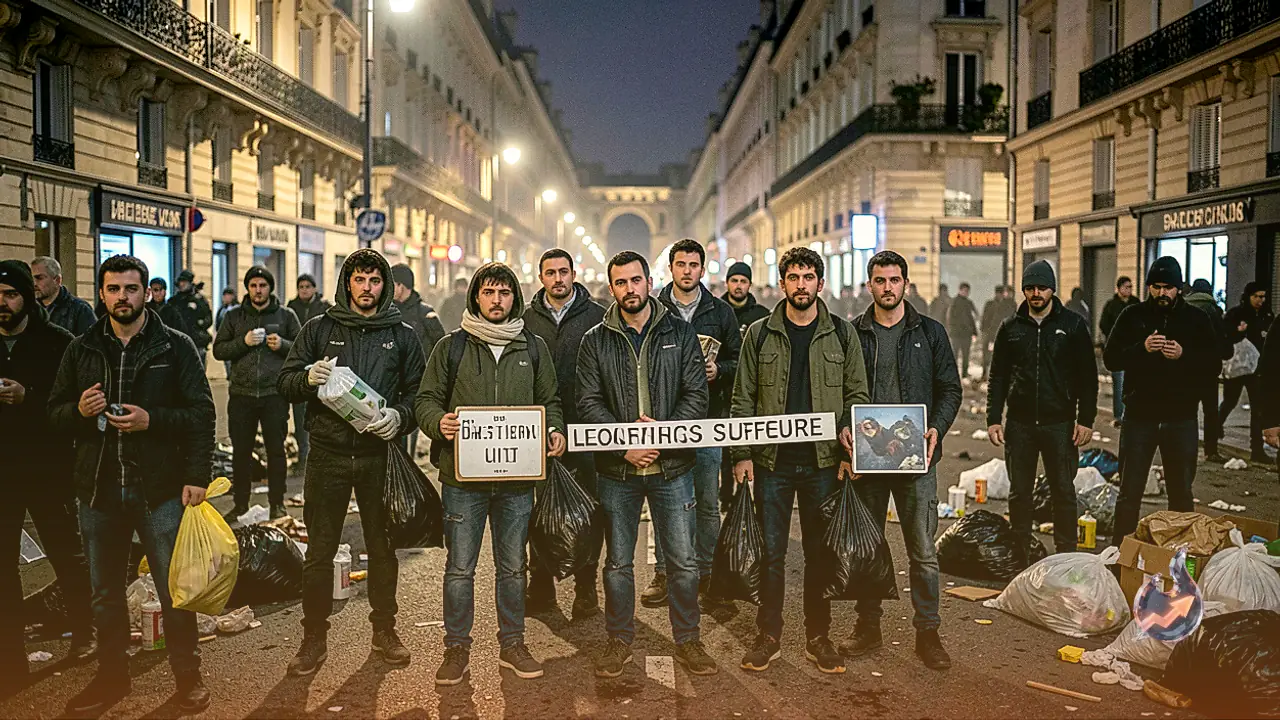















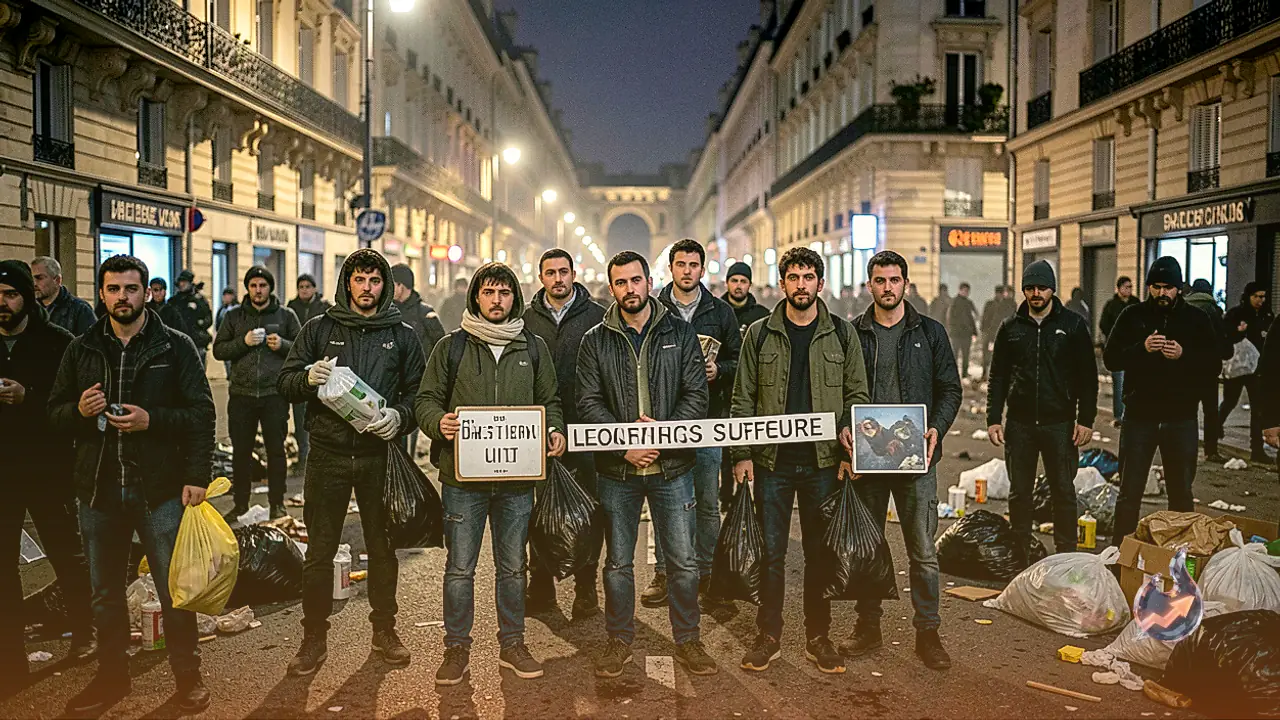

Clean-up operations are now underway across France in the wake of widespread riots and looting, though heavy police presence remains in place. Prime Minister Sébastien Lecornu stated that targeted curfews implemented across the country directly contributed to a remarkably quiet night following a turbulent weekend marked by civil unrest.
Targeted Curfews Implemented Across Major Cities
Authorities introduced strict curfews across central parts of Paris, encompassing the Place de la République where demonstrators had gathered over the weekend, alongside the bustling Les Halles shopping district. Similar movement restrictions targeting young people and large public gatherings were enforced in southern cities such as Marseille, Bordeaux, Nice, and Lyon, as well as Lille and other northern towns.
Local Leaders to Decide on Further Measures
Lecornu praised police officers and gendarmes for effectively enforcing the emergency restrictions, noting that decisions regarding potential curfews for Tuesday night would depend entirely on localized necessity. Writing in a post on X, he emphasized that ongoing decisions would be made directly on the ground by French regional authorities and local mayors. On Monday night, streets in the southern city of Lyon remained noticeably quiet.
Interior Minister Resignation Rejected Amid Political Pressure
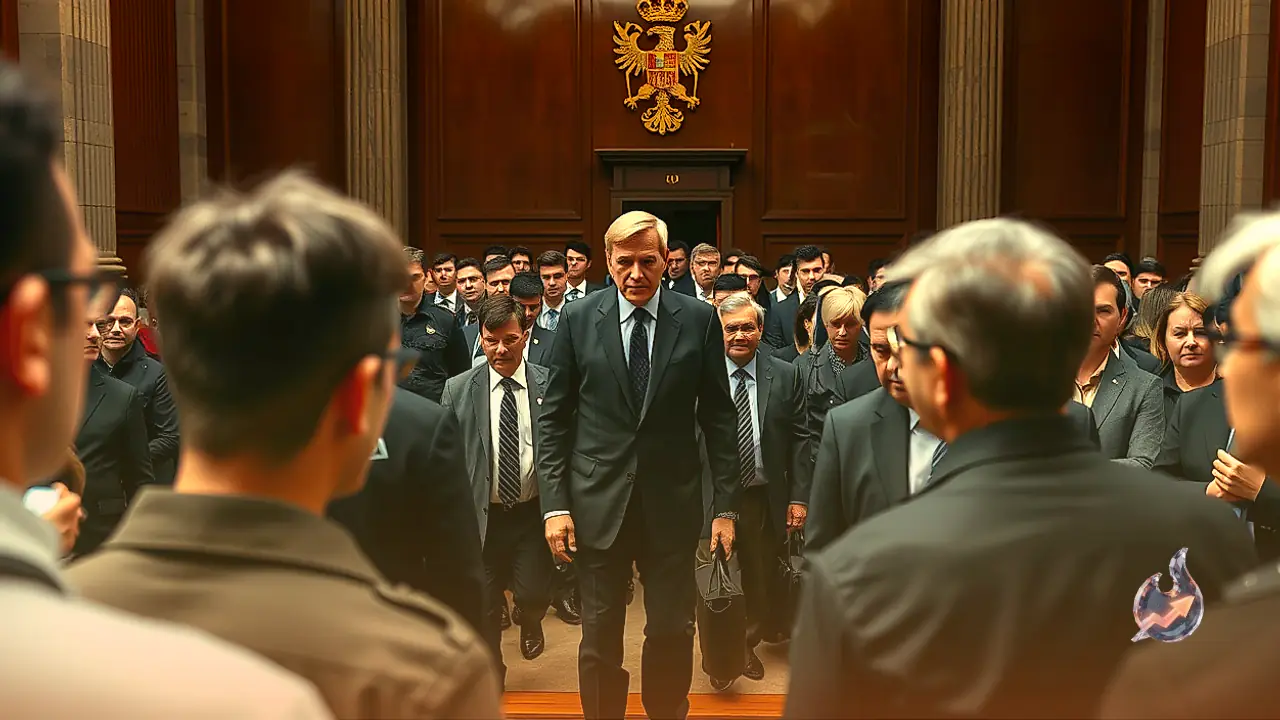
Earlier, Interior Minister Laurent Nuñez openly acknowledged that law enforcement had lost control in certain urban areas. Facing fierce criticism from opposition politicians over inadequate preparedness for the civil unrest, Nuñez tendered his resignation on Monday, though President Emmanuel Macron ultimately rejected it. Officials reported that more than 2,500 individuals have been arrested since the disorder erupted.
Casualties and Escalation of Student Protests
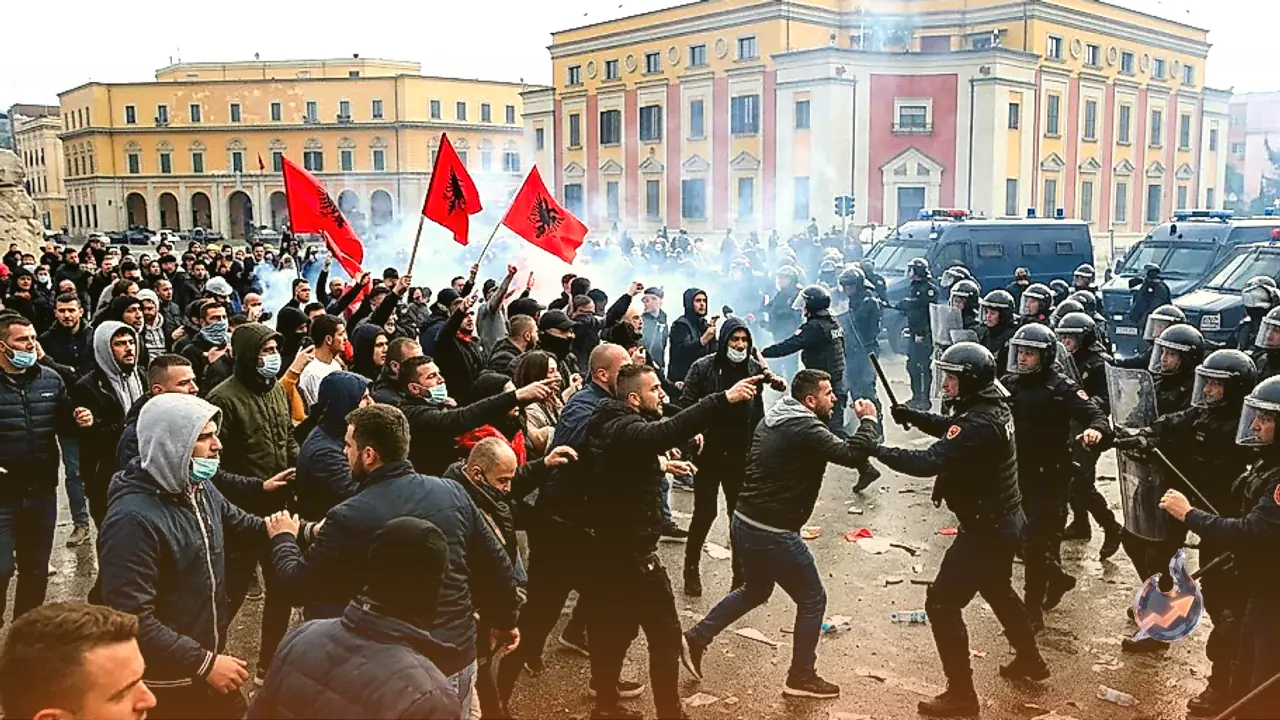
The clashes resulted in severe injuries on both sides, with approximately 1,000 police officers injured during the unrest. According to the AFP news agency, one demonstrator suffered catastrophic injuries when their hand was blown off by a police crowd-control grenade. The demonstrations originally began last month when students mobilized to demand better school conditions, but the movement rapidly escalated as trade unions and various protest groups joined the demonstrations, broadening the scope of grievances.