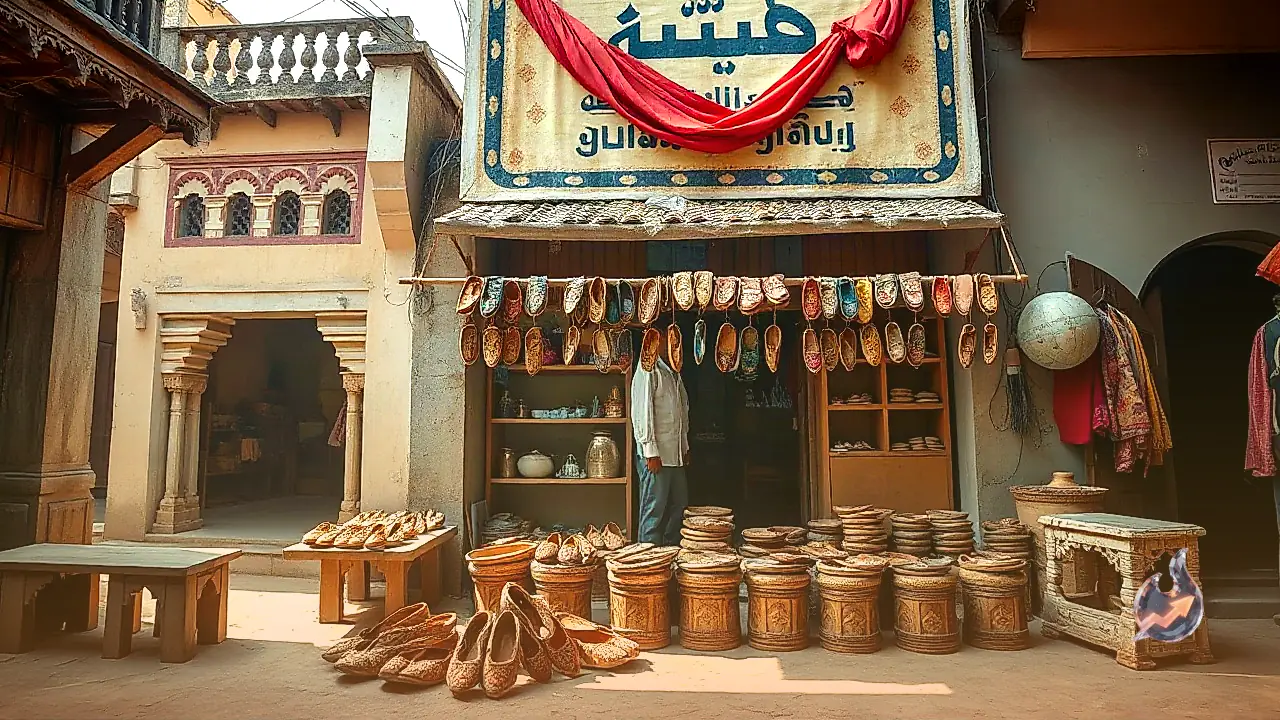



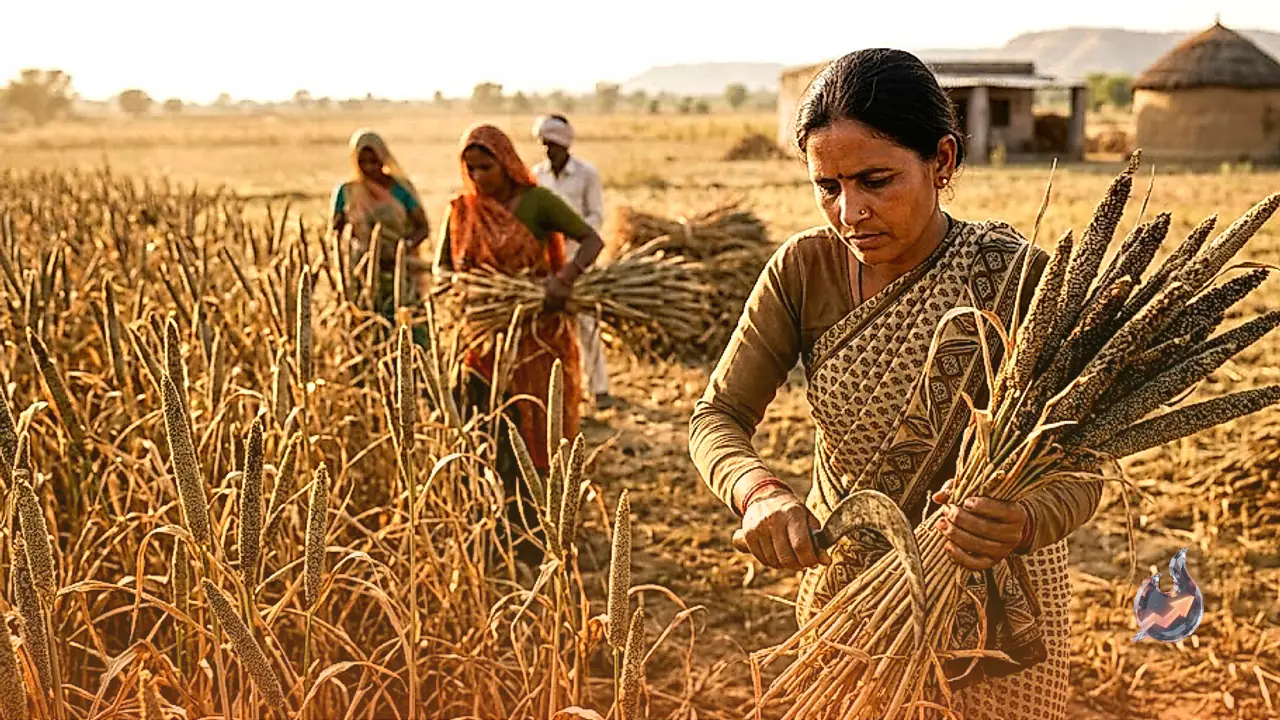















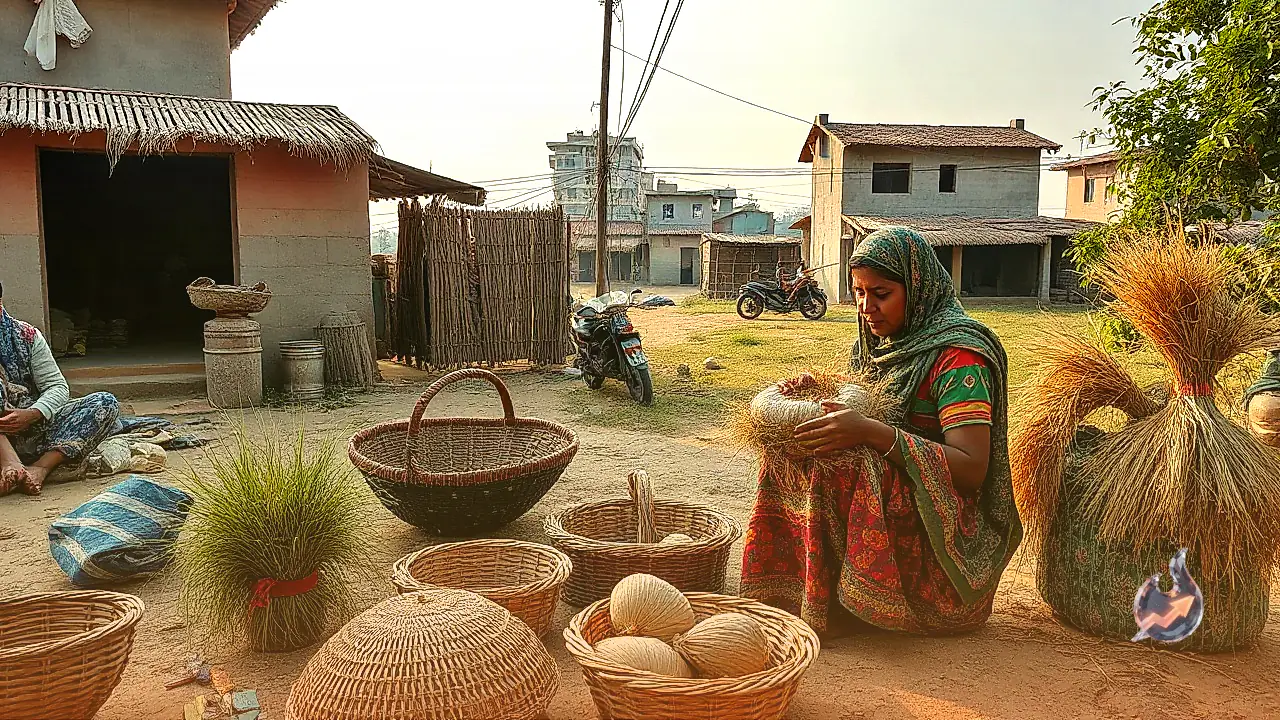

In an era dominated by modern machinery and plastic goods flooding the markets, women in rural India continue to passionately preserve their ancient heritage and handicraft traditions. In the villages of Lakhimpur Kheri, women are handcrafting exquisite baskets and other everyday utility items using natural Moonj grass. This unique art form serves as more than just a symbol of rich rural culture and tradition, acting as a viable source of supplementary income for women in these communities.
Transforming Natural Grass into Practical Utility Items
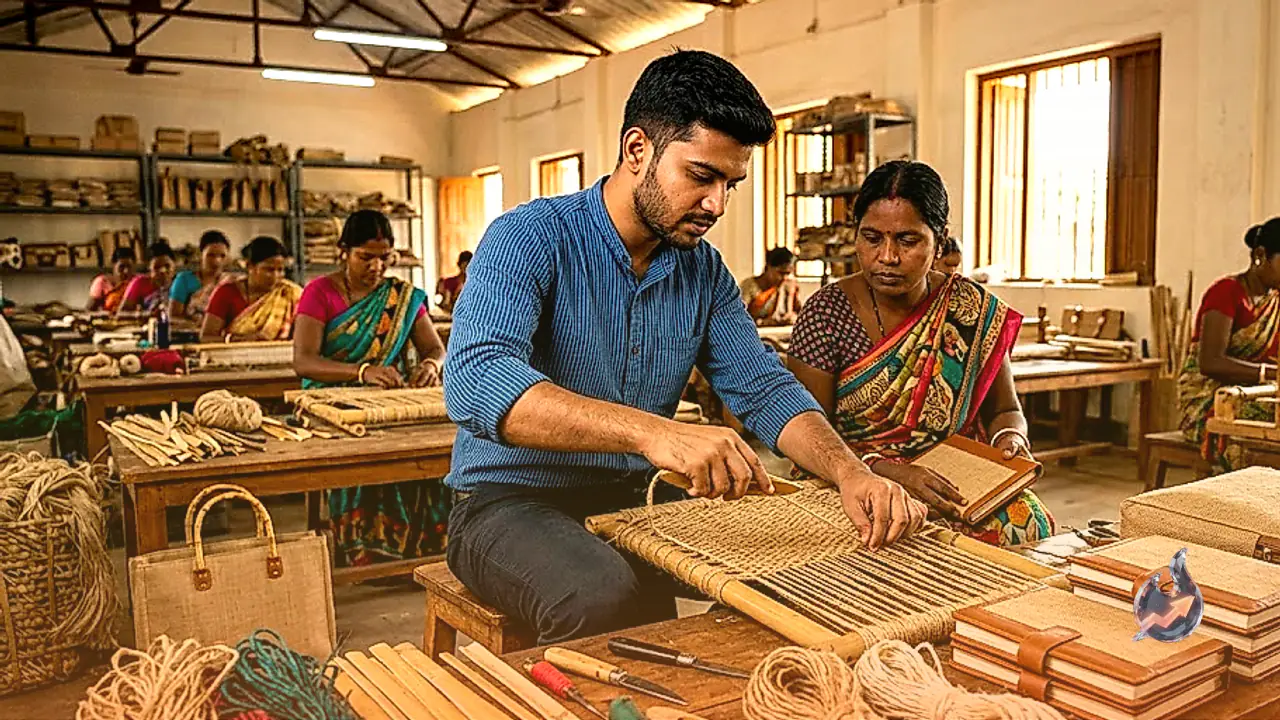
Moonj is a specific type of natural grass that is carefully harvested, dried, and processed to create various household products. Local women weave this grass with great precision to fashion durable and aesthetically pleasing baskets. The craft requires immense physical effort and patience. The strips of Moonj are meticulously interlaced with one another to form a distinct shape before a strong rim is crafted around the edge. Because these items are made entirely from natural materials, they are widely regarded as exceptionally eco-friendly.
Passing Down Heritage Through Generations
Village women carve out time from their daily household chores to weave baskets and other decorative goods from Moonj. For many, this painstaking work is an integral part of a family tradition passed down through generations. Younger women in the families learn the intricate techniques from their elders, ensuring that the craft survives and moves forward into the modern era. In rural households, these Moonj baskets are traditionally utilized for storing grains, clothes, and various other essential domestic items safely.
The Labor-Intensive Process Behind Each Basket
While weaving a Moonj basket might appear simple from the outside, the actual manufacturing process demands intensive labor. Raw Moonj is first gathered and left out to dry thoroughly. Once dried, it undergoes a cleaning process and is prepared according to specific crafting needs. Women then initiate the manual weaving process by hand. Every single strand must be positioned and interlaced correctly to maintain the structural integrity and design of the basket. Even a minor slip in concentration during weaving can ruin the entire pattern, which is why items crafted by experienced artisans hold a distinct reputation.
Artisans Keep the Ancient Tradition Alive
A local artisan named Manju shares that she continues to craft baskets from Moonj and Kaash after completing her routine household responsibilities. According to her, making just a single basket takes approximately one full week of dedicated work. Manju learned this valuable skill directly from her mother. She notes that although articles made from Moonj and Kaash were once common in every rural household, the passage of time brought a massive surge in the popularity of plastic and factory-made market alternatives. Despite this commercial shift, numerous rural women remain committed to keeping this age-old tradition alive with their own hands whenever they find free time between daily chores.