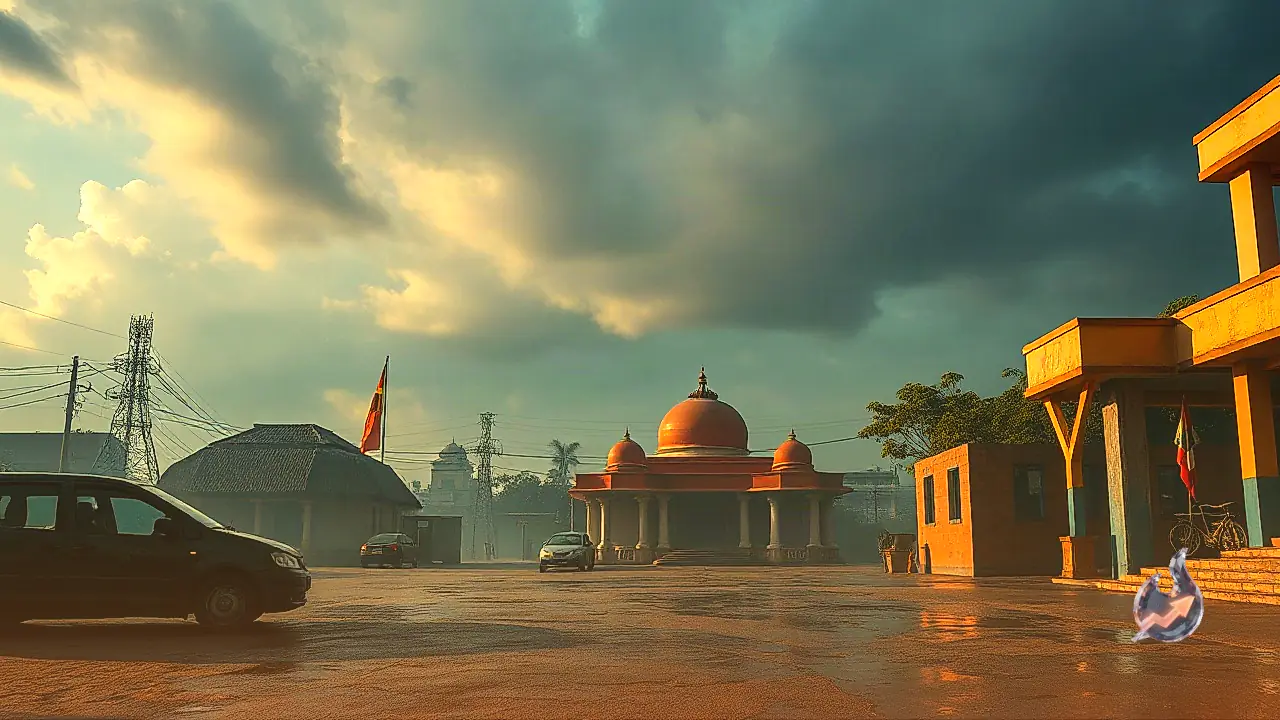


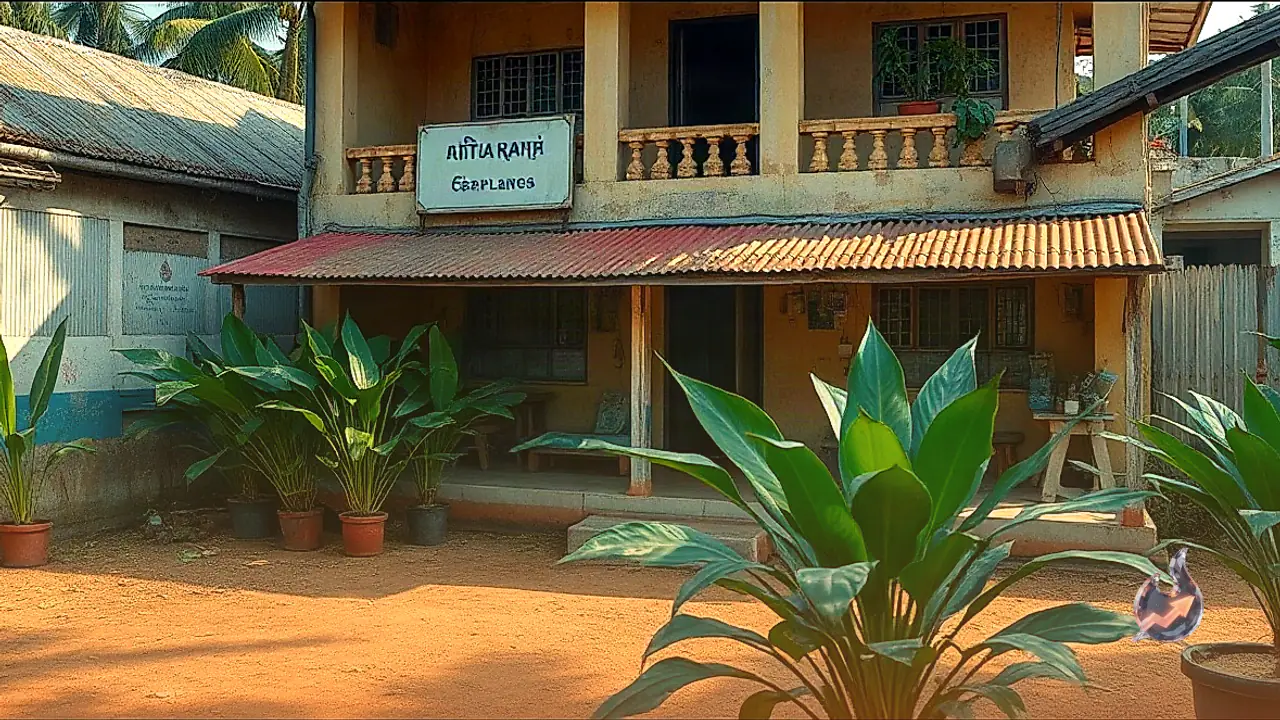
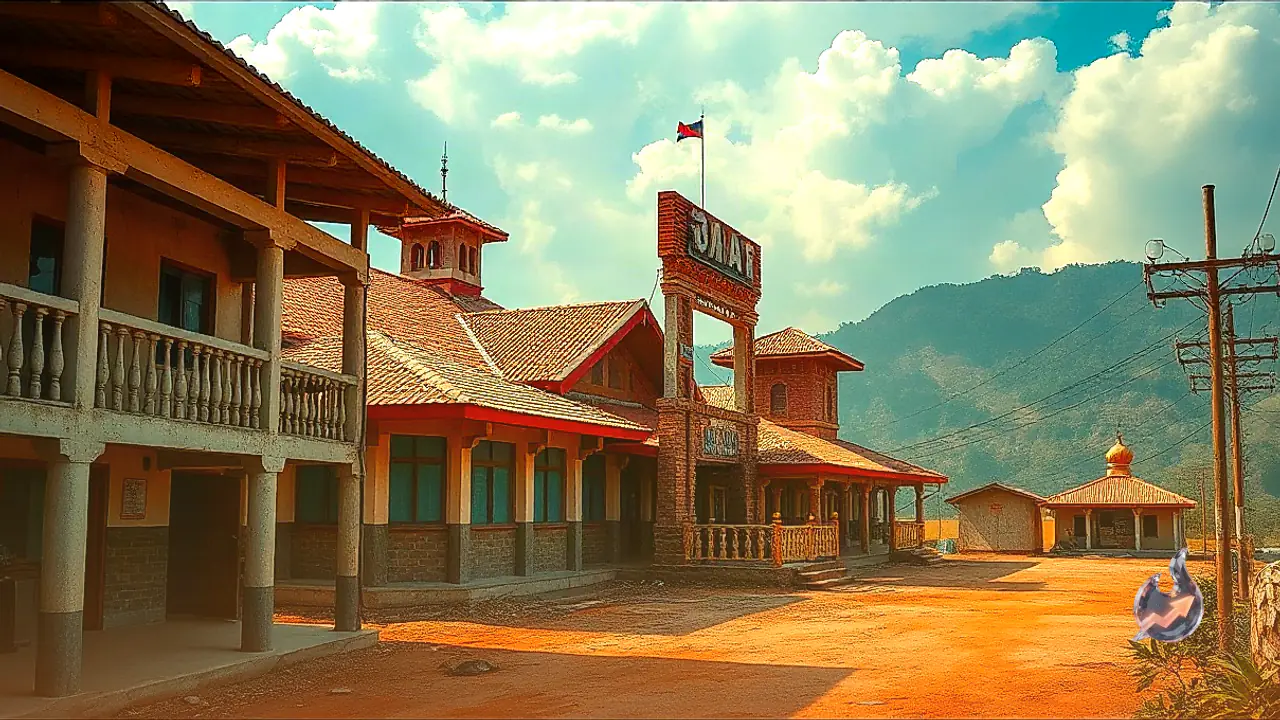














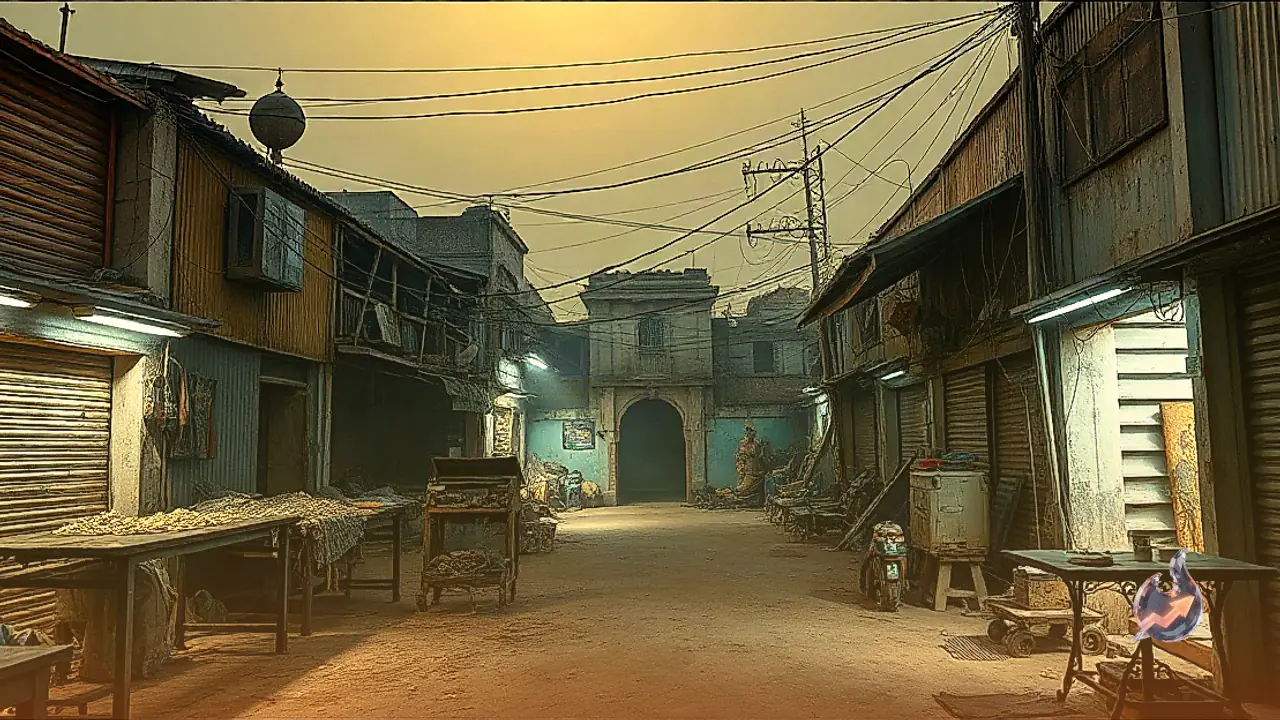

The festive echoes of Ganesh Chaturthi are beginning to fade across the city of Hyderabad, with residents gradually returning to their everyday routines after bidding a grand farewell to the elephant god. However, in the historic neighborhood of Dhoolpet, the atmosphere has shifted dramatically. A profound silence has enveloped this famous hub, which until recently was a bustling center of activity. The continuous sounds of hammers, the bright sparks of welding machines, and the strong scent of wet clay and paint have vanished, leaving behind empty sheds and quiet streets.
For the craftspeople of Dhoolpet, the departure of the deity marks the end of an intense, emotional, and exhausting chapter. The vacant workshops stand as a stark contrast to the vibrant energy that defined the locality just days ago, leaving the artisans to quietly gather their tools in a bittersweet atmosphere.
Months of Relentless Craftsmanship and Dedication
The annual celebration of Ganesh Chaturthi is not just a festival for the hundreds of families residing in Dhoolpet; it is their primary source of livelihood and a core part of their identity. The preparation for this grand event begins nearly half a year in advance. Around six months before the festival, these local workshops turn into 24-hour manufacturing hubs.
The creation of these magnificent idols is a complex, multi-stage process requiring immense physical labor and artistic precision. Artisans start by preparing raw clay, mixing Plaster of Paris (POP), and building sturdy iron frames to support the massive structures. Creating the large stands, molding the shapes, welding the internal supports, and performing intricate carvings are all done under tight deadlines. The final and most delicate touch involves painting the expressive eyes of the deities, a task where artists pour their heart and soul. During these peak months, the distinction between day and night disappears as every family member contributes to bringing the idols to life.
The Emotional Shift from Creation to Devotion
According to the local sculptors, they spend six months working with a single-minded focus. Every single idol represents countless hours of sweat, determination, and sleepless nights. As long as the unfinished statues remain within the workshop walls, Dhoolpet remains charged with an incredible energy. Organizers of various pandals and devotees from far and wide constantly visit the area, creating a lively marketplace.
However, this dynamic environment changes instantly once the festival begins. As the massive idols are carefully loaded onto trucks to be transported to their respective pandals, the artisans' active role comes to an end. The very creations that were once a testament to an artist's personal toil and craftsmanship are suddenly transformed into objects of profound faith for millions of devotees.
An Annual Cycle of Silence and Anticipation
The conclusion of the festivities brings an immediate halt to Dhoolpet's rapid pace. The bustling workshops are now littered with discarded paint cans, empty sacks, and silent tools resting in the corners. Hands that were occupied with intricate painting and sculpting for months are suddenly idle. This transition is an annual reality for Dhoolpet, showcasing a cycle of six months of relentless labor, a few days of grand celebration, and then a long, quiet wait for the next year to begin.