




















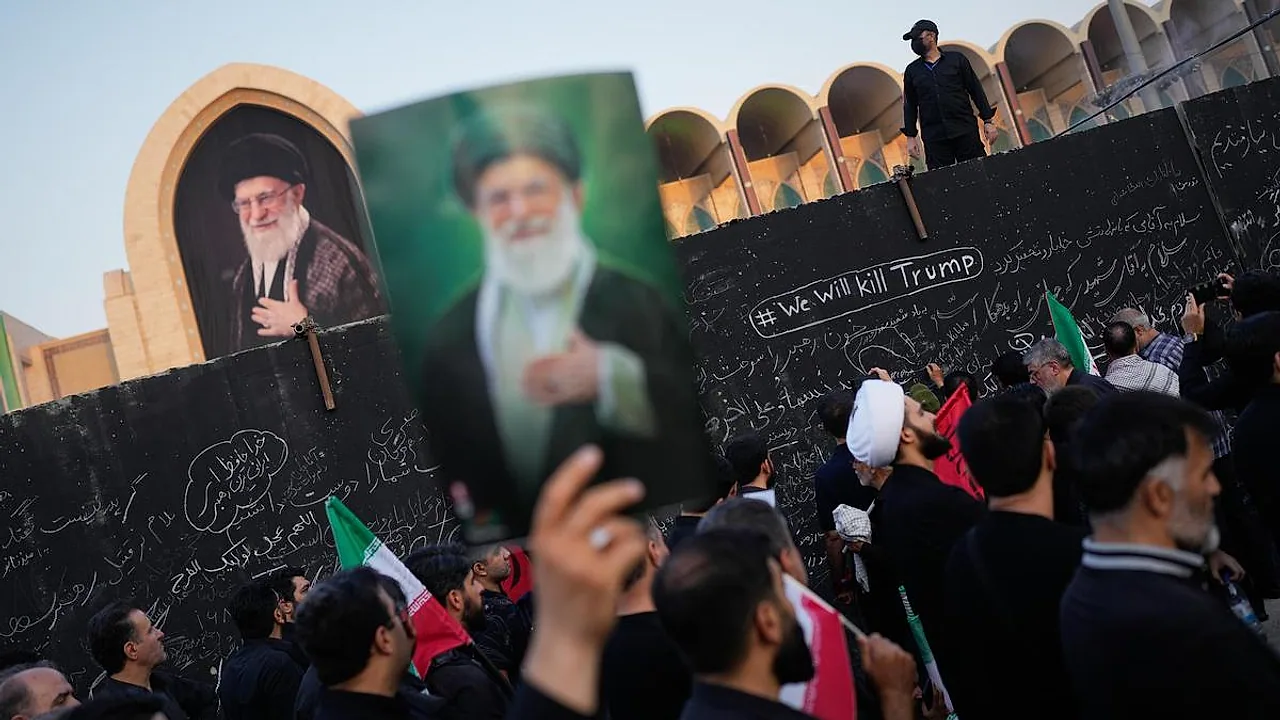

The remains of the late Iranian Supreme Leader, Ali Khamenei, arrived in the holy city of Qom on Sunday evening. This move follows a massive funeral procession in Tehran, where millions of mourners gathered to pay their respects. A truck carrying the bodies of Khamenei and his four relatives, all of whom were killed in the February 28 US-Israeli airstrike, slowly navigated toward Azadi Square in the capital. The somber event saw attendance from both loyalist citizens and high-ranking government officials.
Escalating Tensions in the Strait of Hormuz
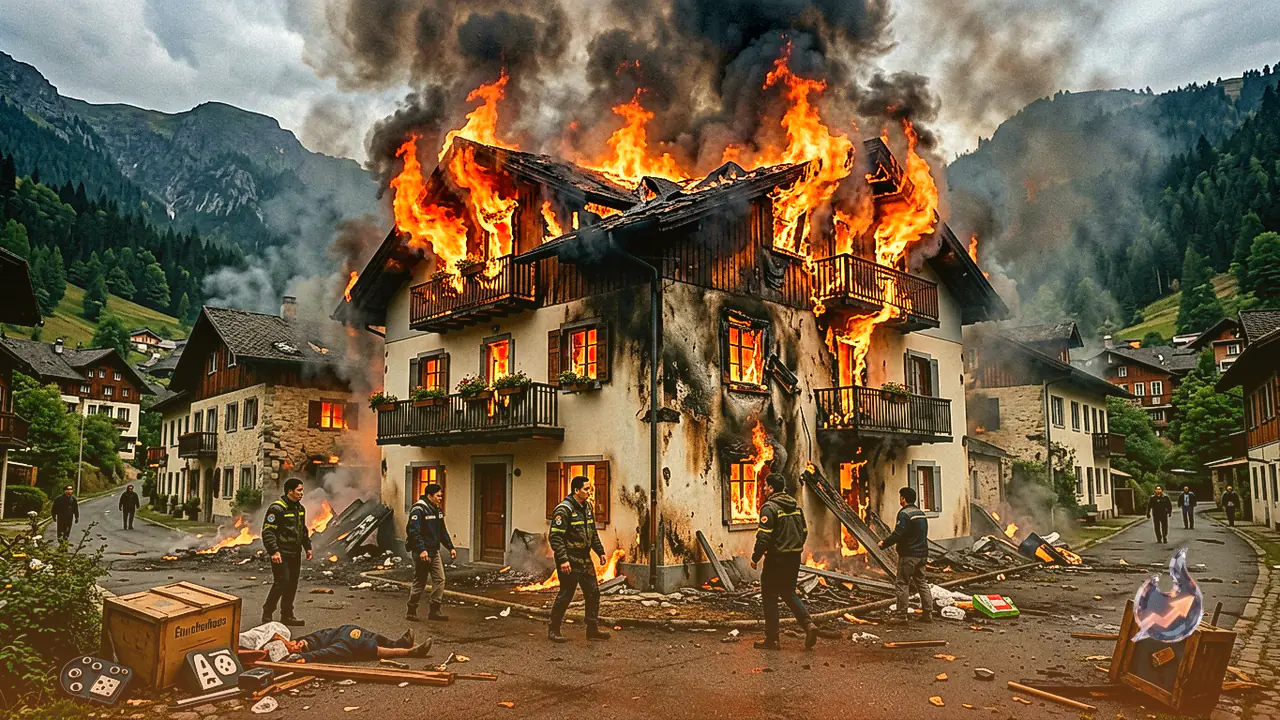
Security in the Strait of Hormuz, one of the world's most critical energy transit routes, has deteriorated sharply. The United Kingdom Maritime Trade Operations (UKMTO) reported that an oil tanker was struck by an 'unknown projectile' approximately eight nautical miles east of Limah, Oman, causing an onboard fire. Fortunately, no casualties were reported, and there has been no damage to the marine environment. According to Axios, a US official stated that the Iranian Revolutionary Guards fired at least two missiles at merchant vessels navigating the strait, resulting in significant damage to two ships. Majed Al-Ansari, spokesperson for the Qatari Ministry of Foreign Affairs, declared on Tuesday, July 7, 2026, that the strike on the Qatari tanker Al-Rayyan is unacceptable and a clear violation of international law, placing full legal responsibility on Tehran.
Diplomatic Standoff and US Warnings
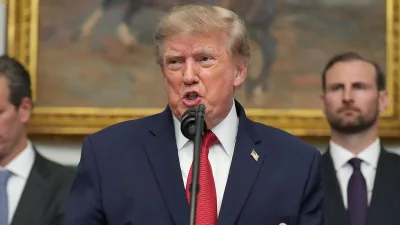
US President Donald Trump has issued a blunt warning to Iran, stating that if a deal is not reached, the United States will use its military might to 'finish the job.' This stern message arrives while diplomatic dialogue between Washington and Tehran remains stalled. Amidst this volatility, NATO foreign ministers are scheduled to meet with their Gulf Arab counterparts on Tuesday, July 7, in Ankara to discuss strategies for reopening the Strait of Hormuz. A joint proposal from France and the UK, which has been consistently rejected by Iran, will be on the table.
Observances in Qom and Beyond
On Tuesday, July 7, the streets of the holy city of Qom were flooded with thousands of mourners, marking the fourth day of the extensive funeral proceedings. Aerial footage broadcast by state television showed the city, home to approximately 1.5 million people, completely packed with grieving crowds. The casket has been placed for public viewing at the Jamkaran Mosque. The six-day mourning period will continue on Wednesday, July 8, 2026, as the procession travels to the sacred Iraqi cities of Najaf and Karbala, with the final burial set for the Imam Reza shrine in Mashhad. A delegation of about 100 people from Alipura, Karnataka, has traveled to Tehran to participate in the ceremonies, highlighting the late leader's deep connection with the community.
Regional Instability and Future Talks
Iran currently faces a period of profound uncertainty. The late Khamenei was a central architect of the Islamic Republic, balancing various political and religious factions throughout his tenure. However, recent years have been marked by internal unrest and a diminishing regional influence, particularly since Israel launched broad offensives against the Iranian-backed 'Axis of Resistance' network following the October 7, 2023, Hamas attacks. Furthermore, local reports indicate four deaths following an Israeli drone strike in Nabatieh, South Lebanon. In a separate development, Israeli Foreign Minister Gideon Sa'ar confirmed that a new round of diplomatic talks with Lebanon is scheduled for July 15 and 16 in Rome, aimed at strengthening the recent US-backed framework agreement.