


















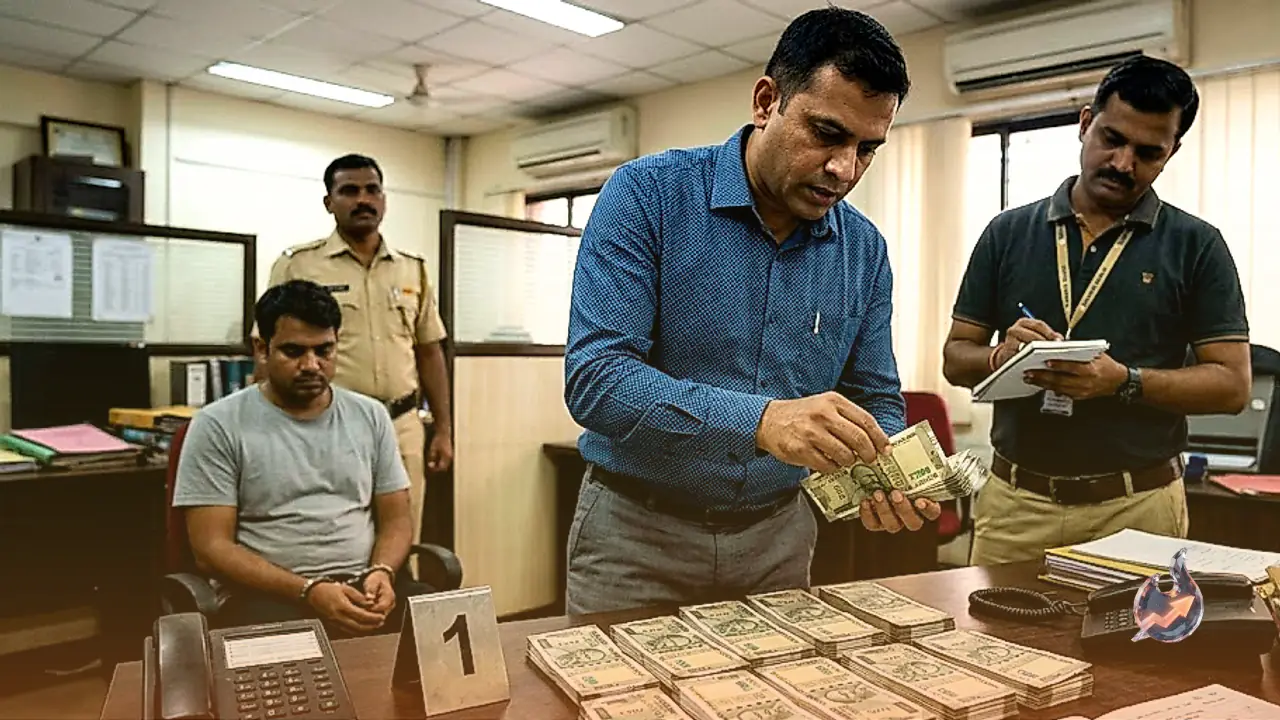

A trap operation by Mumbai's Crime Branch has led investigators straight to a counterfeit currency racket. The team seized high-quality fake ₹500 notes worth a combined ₹10.64 lakh and arrested one accused in the process.
How the trap was set and the arrest made
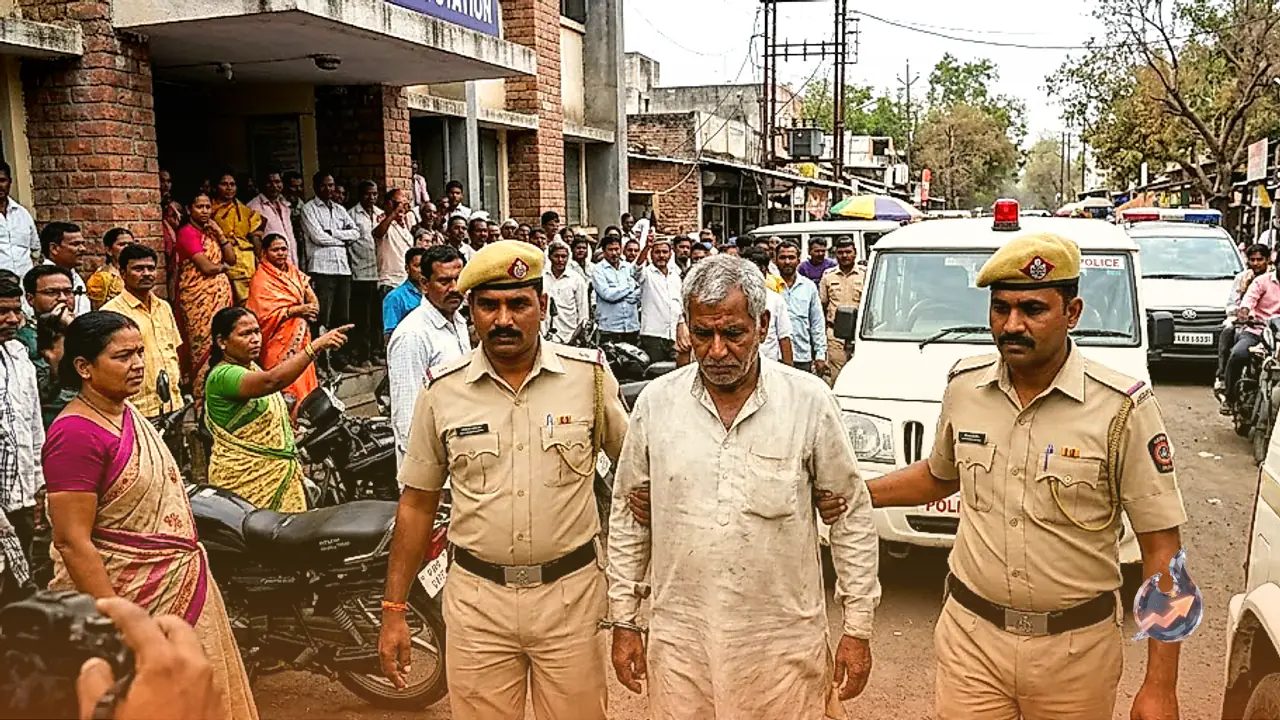
Crime Branch Unit 2 had received a tip about the circulation of counterfeit currency, prompting officers to lay a trap that first snared a woman. A search turned up several fake ₹500 notes on her. Information gathered during her questioning led police to a man near Kurla, from whom a much larger stash of counterfeit notes was recovered. Investigators established that the woman had obtained her fake notes from this very man, confirming a direct link between the two. The operation illustrates how counterfeit currency typically moves through a chain of small, trusted intermediaries, where catching one link often opens the door to the next. The male accused was arrested and produced in court, which remanded him to police custody until September 10. The woman's role is still being examined, and she has been issued a notice for now.
The double-the-money scheme
The investigation found that the accused were handing out counterfeit notes worth twice the value of the genuine cash they received. In effect, a customer who handed over ₹10,000 in real currency would get back fake ₹500 notes worth ₹20,000. Put simply, every one rupee of real money bought two rupees of counterfeit currency. Police believe it was precisely this promise of doubling one's money that drew buyers into the illegal trade, even as it exposed them to the same legal risk as the sellers. What rate the accused themselves paid to acquire the fake notes, and how much they paid their supplier, remains part of the ongoing investigation.
A common contact linked the two accused
According to police, the two accused were connected through a mutual acquaintance. Investigators are now working to identify this common link and establish exactly what role that person played. They are also trying to determine who the recovered notes were ultimately meant to reach, or with whom the next deal was to be struck.
The network traces back outside Maharashtra
Questioning has also revealed that this consignment of fake notes was sourced from outside Maharashtra, though police have not yet disclosed which state it came from. The probe is now being widened to establish where the notes were printed, who produced them, and who is running the supply chain that brought them into Maharashtra. The bigger challenge for investigators is that until the roots of this supply chain are traced, the network is unlikely to be dismantled even if individual consignments keep getting seized. Police have so far not confirmed any link to a foreign source, particularly Pakistan, and say further action will depend on whatever connections the investigation uncovers.
Why the notes are being called high quality
Police are describing the seized notes as high-quality counterfeits because several security features of the genuine ₹500 note have been replicated with striking precision. At first glance, an ordinary person may find it difficult to tell them apart from real currency, which raises the risk of these notes slipping into everyday circulation. The closeness of this replication suggests whoever is producing these notes has access to fairly sophisticated printing technology and resources, making the job harder for investigating agencies as well.
The telltale differences to look for
A closer comparison, however, does reveal some differences. The width of the white margin at the bottom of the note differs from that on a genuine note. The quality of the hologram, and the features visible within it, also don't quite match up. Minor variations in spelling and font have been spotted in certain places too. These small details are exactly what can help someone tell a counterfeit note apart from a genuine one during a transaction.
Accused have no prior record, run a shoe business
Police have also looked into the past history of both accused. Initial checks have not turned up any earlier criminal case against either of them. The arrested male accused is said to run a shoe trading business. Investigators are verifying whether he was dealing exclusively in counterfeit notes or running this alongside his shoe trade, and how long he has been part of this network and how many times he may have bought or supplied fake notes before.
The questions police are still chasing
Investigators are also trying to establish how much counterfeit currency this network may have pushed into circulation before this particular consignment was seized. If such notes have already reached the market, police want to know how significant the risk of fraud to the public and shopkeepers has been, and which areas received the supply. For now, the biggest question facing police is where exactly, and by whom, these notes were manufactured outside Maharashtra, what rate the accused paid to acquire them, and how many more people are part of this network. The arrested accused is being questioned in detail to answer these questions, and the investigation is being pushed further to trace the supply chain operating beyond Maharashtra's borders.