


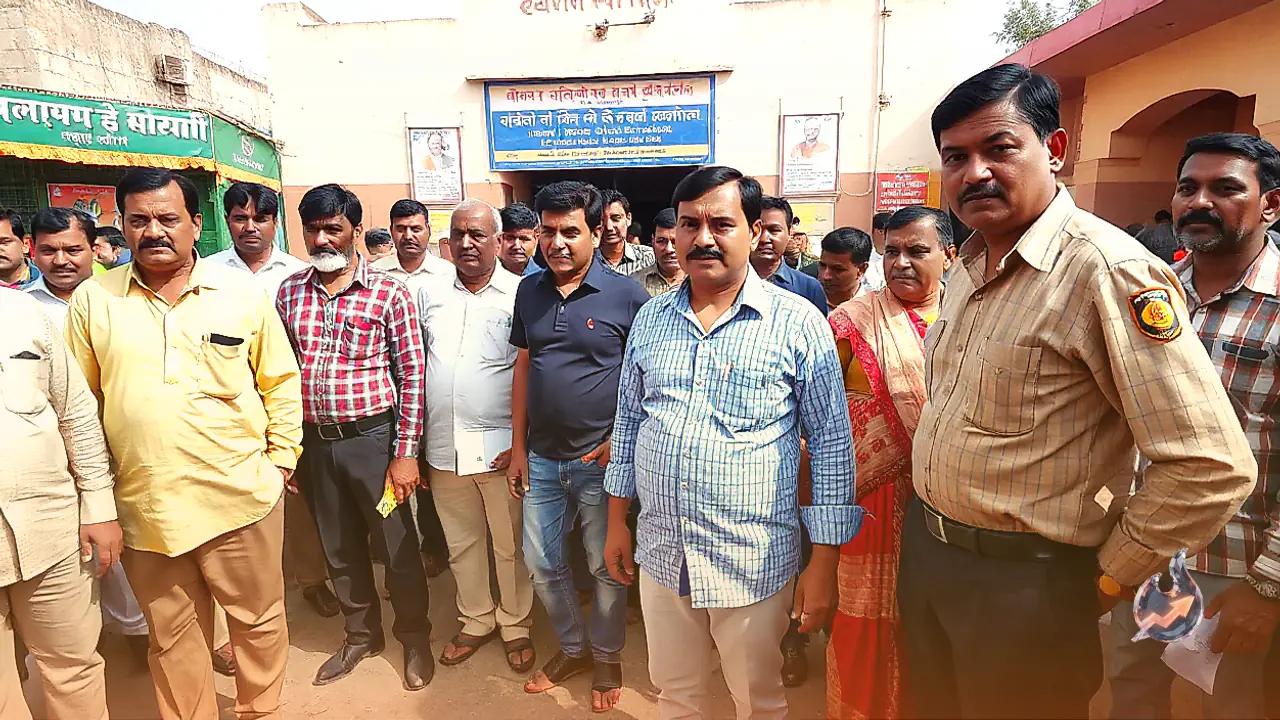















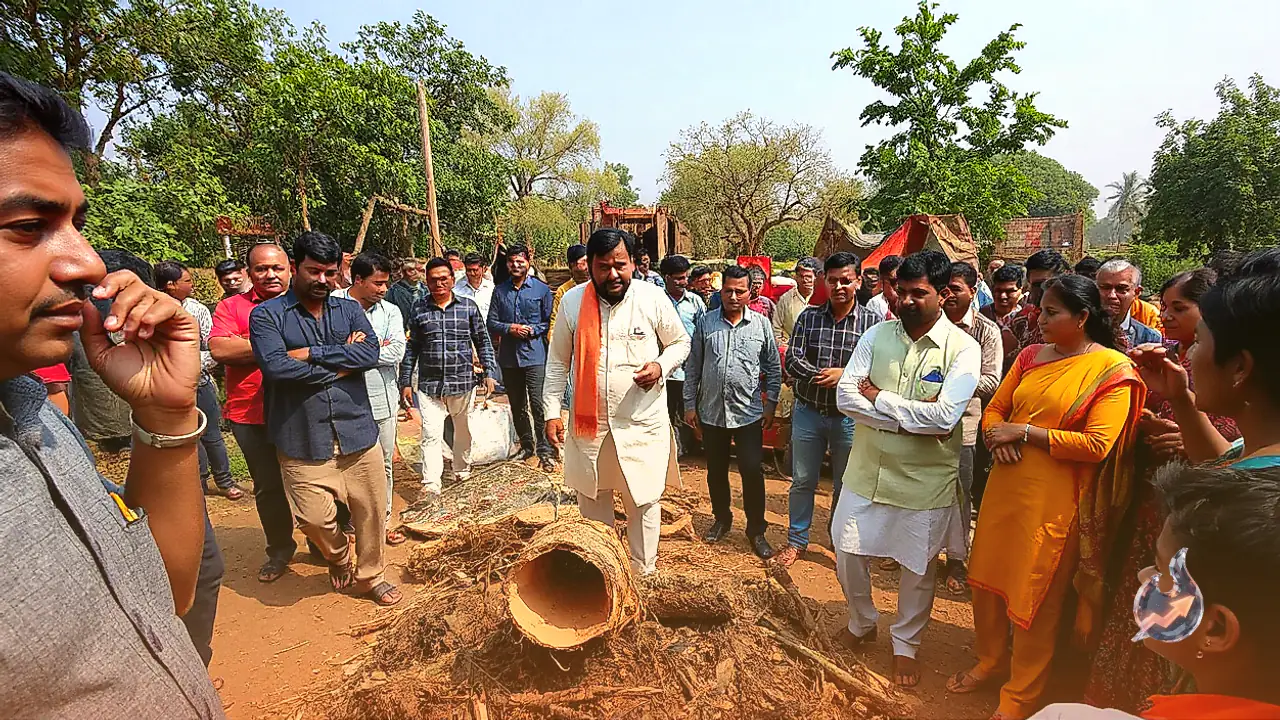

Political friction has intensified sharply across Maharashtra following the disclosure that over 32,000 trees are slated to be felled for a major infrastructure initiative. The controversy centers around a 3,000-megawatt power project spearheaded by Torrent Power, for which 253 acres of land have been allotted near Karjat in Raigad district. As the scale of the forest clearance became apparent, political parties from across the opposition spectrum raised strong objections, setting the stage for a major showdown with the state administration over developmental priorities versus environmental preservation.
Details of the Proposed Project and Location
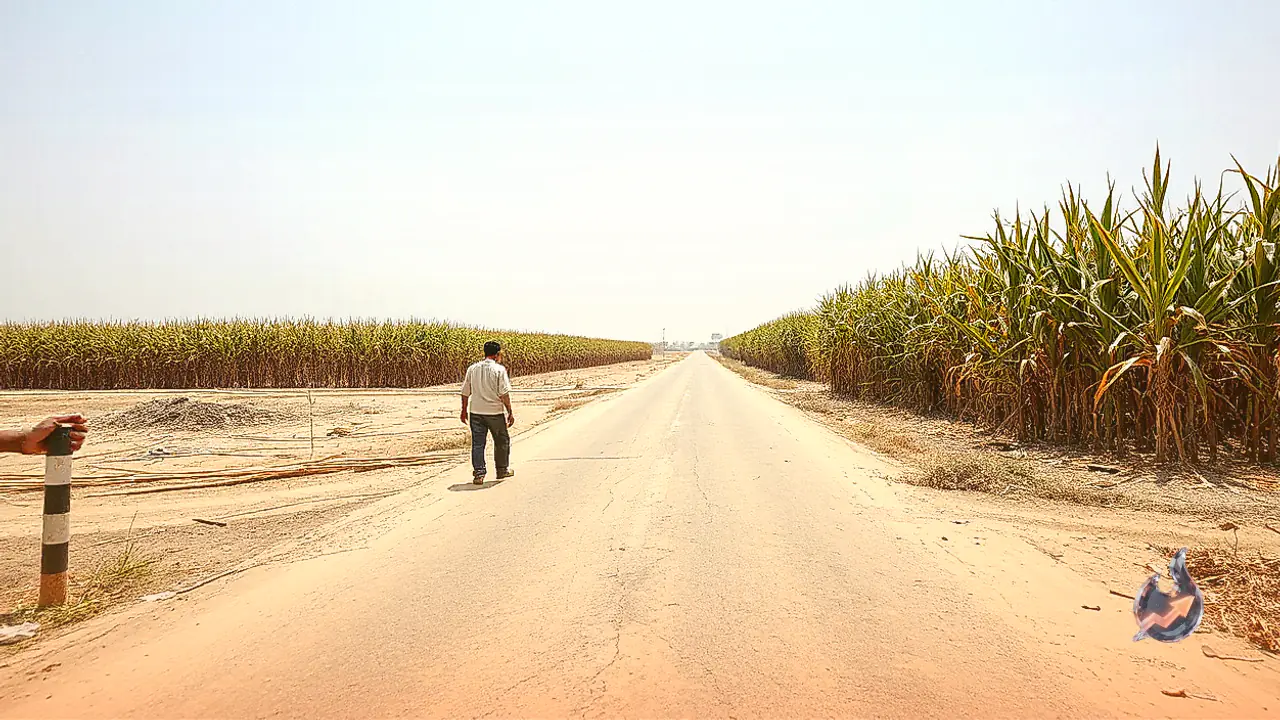
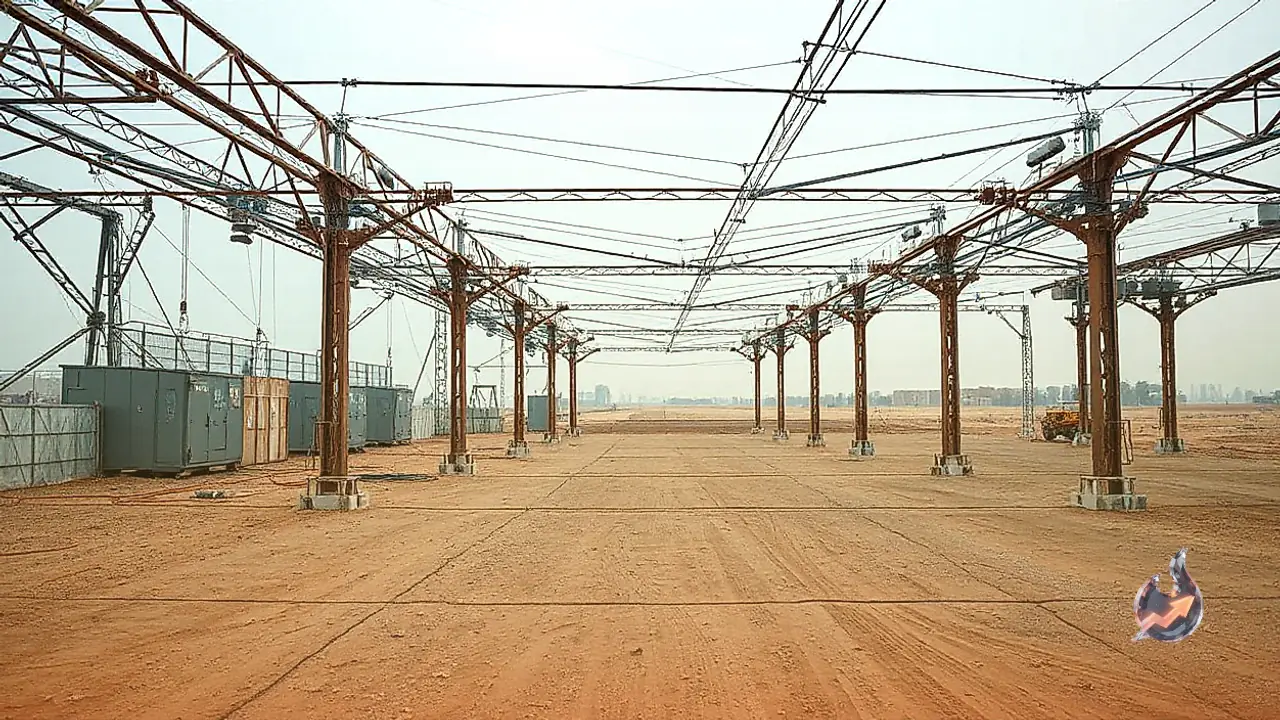
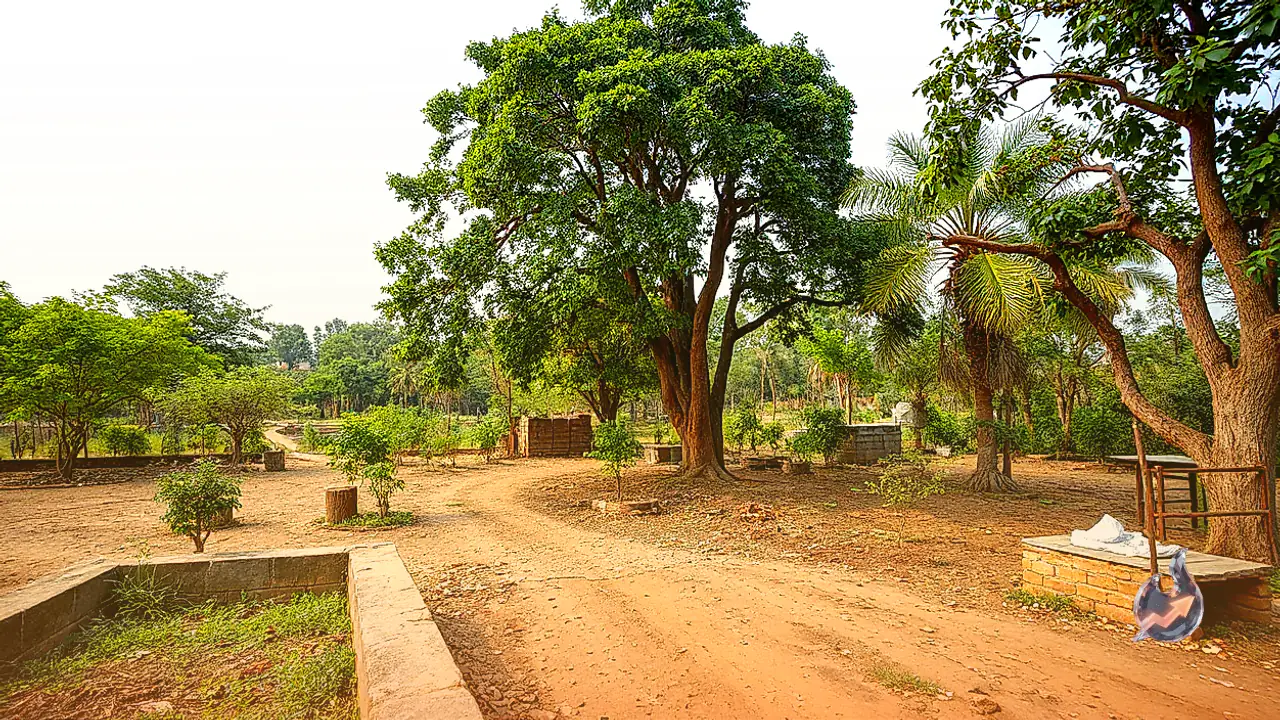
The contentious project is slated to come up in a forested area situated near Karjat within Raigad district, a region located geographically between Pune and Raigad. According to official contours, the proposed site lies approximately 20 kilometers away from the revered Bhimashankar Jyotirlinga and roughly 16 kilometers from the reserved Bhimashankar forest belt. The allotted 253 acres of land, secured through the forest department for the Torrent company, are meant to host a massive pumped storage power facility designed to generate 3,000 megawatts of electricity. However, the revelation that executing this ambitious layout requires cutting down more than 32,000 established trees quickly ignited widespread protests from local activists and political groups alike.
Opposition Parties Unite in Protest
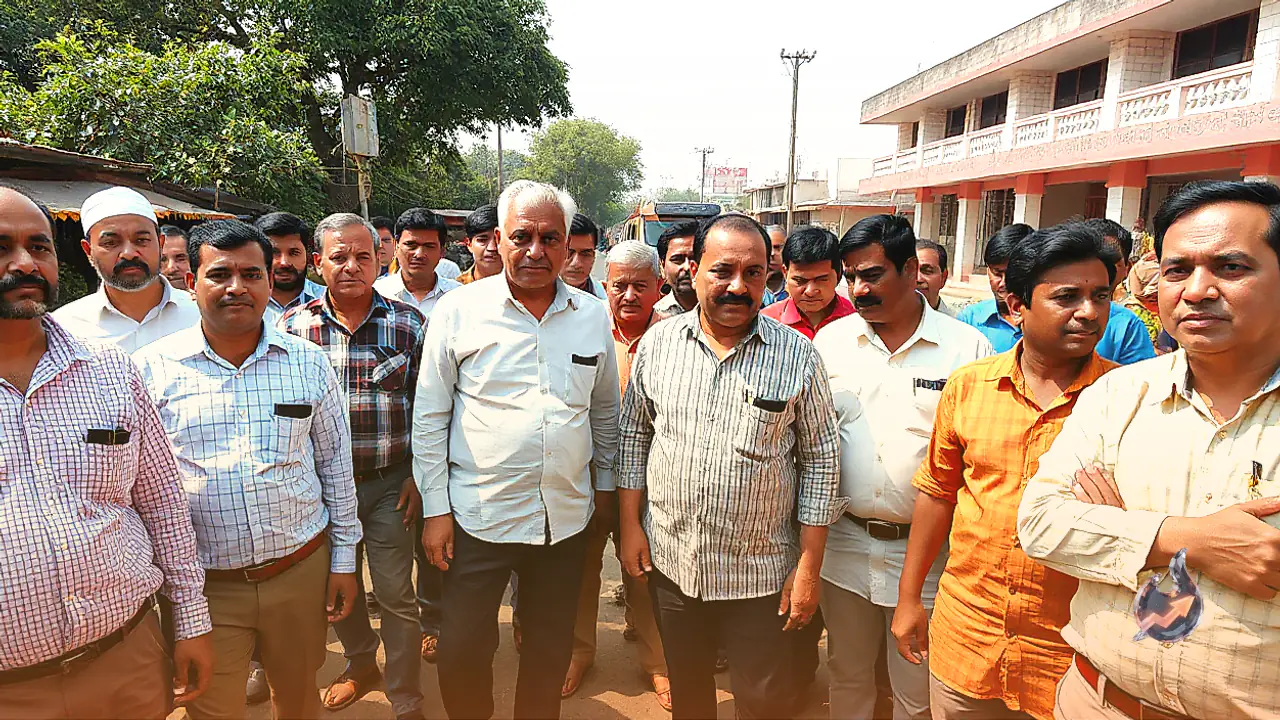
The impending loss of forest cover has served as a unifying catalyst for opposition parties in the state, who are increasingly speaking in one voice against the government. Major political factions, including the Congress party, the Uddhav Thackeray-led Shiv Sena, Sharad Pawar's NCP, and Raj Thackeray's Maharashtra Navnirman Sena, have formally registered their strong opposition to the undertaking. Opposition leaders have repeatedly clarified that while they do not stand against development in principle, sacrificing dense, green forests in the guise of progress is unacceptable. The Congress party has formally urged the administration to relocate the project to an alternative site where the ecological footprint and damage to local flora would be significantly minimized.
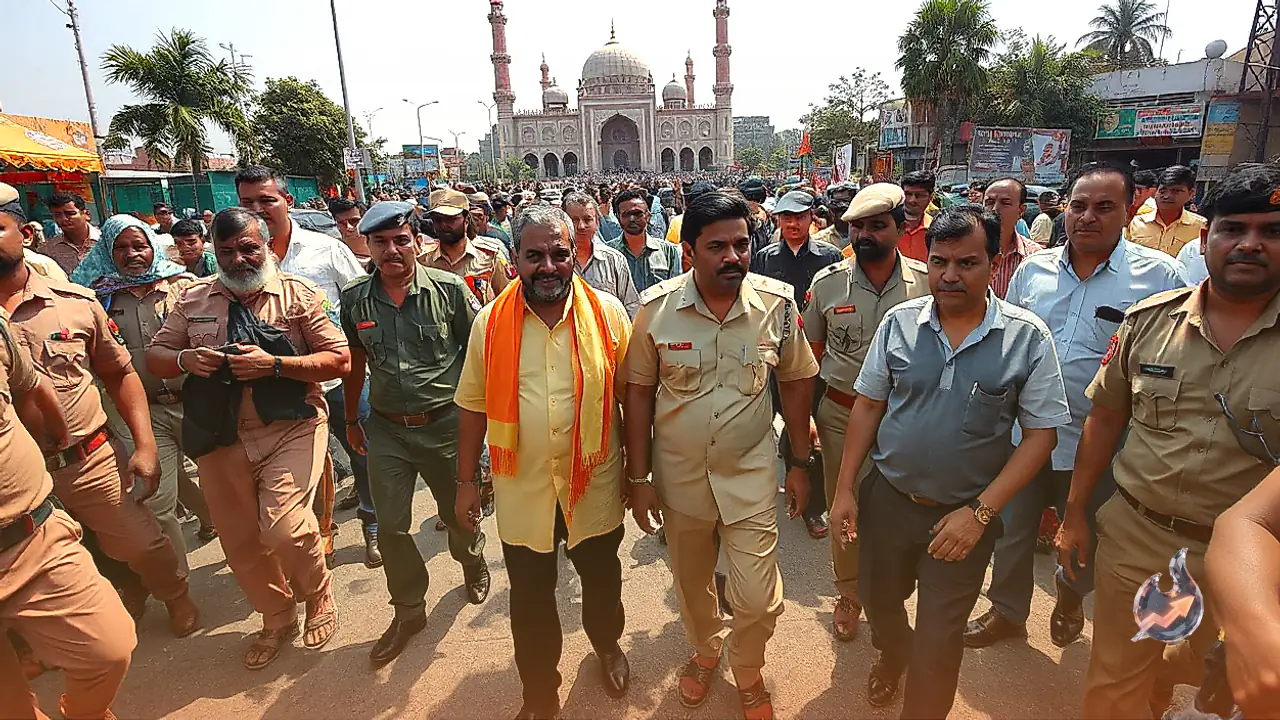
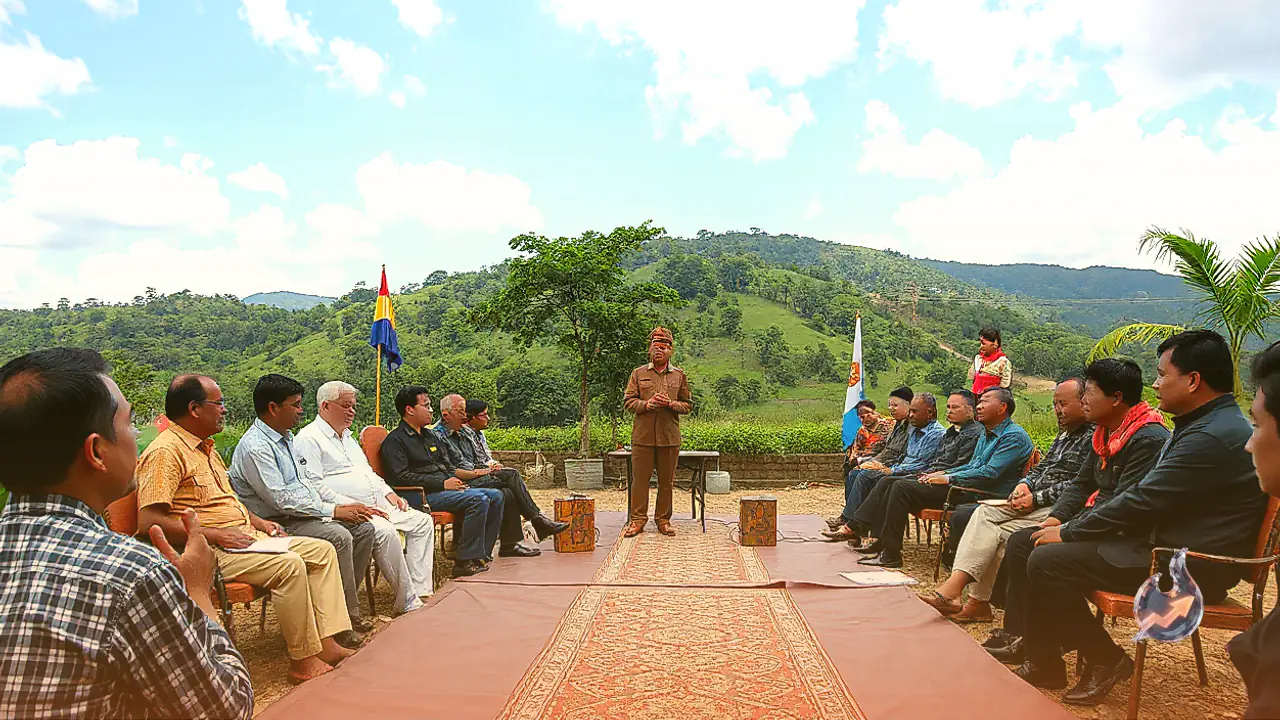
Meanwhile, the Maharashtra Navnirman Sena has taken a particularly aggressive stance, issuing direct warnings of statewide agitations if the plan moves forward without addressing ecological concerns. MNS leader Sandeep Deshpande stated publicly that decisions causing irreversible damage to the environment must face stiff resistance, while urging common citizens to raise their voices on the matter. Adding momentum to the opposition campaign, MNS chief Raj Thackeray is scheduled to visit the project site on October 28. During his itinerary, he is slated to interact directly with local villagers and address a public gathering to chart out the party's next course of action. The Uddhav Thackeray faction of the Shiv Sena has also echoed similar sentiments, questioning why the administration is granting permissions to decimate thousands of trees when national policies routinely emphasize afforestation and ecological preservation. Opposition critics argue that a thorough, transparent review of both the actual necessity of the power output and its subsequent environmental fallout must be conducted immediately while incorporating the grievances of local residents.
Chief Minister Devendra Fadnavis Defends the Initiative
Facing intense criticism from all corners, Maharashtra Chief Minister Devendra Fadnavis strongly rejected the allegations leveled by the opposition. The Chief Minister asserted that rival political groups are deliberately circulating misinformation regarding the true scope and intent of the venture. According to the state government, the facility is not being constructed to inflict harm on nature, but rather to aggressively promote clean and sustainable energy sources. Officials maintain that generating 3,000 megawatts through this initiative will substantially ease power supply constraints for local industries and ordinary households while simultaneously creating new employment opportunities in the region.
Fadnavis emphasized that if an equivalent amount of electricity were to be generated using traditional coal-fired thermal power stations, the resulting environmental degradation and pollution levels would be catastrophic. The government's core argument rests on the premise that a pumped storage hydroelectric model offers an efficient way to fulfill rising energy demands while actively curbing overall emissions. To substantiate these claims, the Chief Minister outlined three primary advantages of the project in a structured defense.
Three Key Advantages Highlighted by the Chief Minister
Detailing the necessity of the undertaking, the Chief Minister pointed out the primary consideration by asking a fundamental question about energy alternatives. He noted that obtaining 3,000 megawatts of clean energy directly avoids relying on conventional thermal power generated from coal. To neutralize the massive pollution generated by producing 3,000 megawatts of thermal electricity, the state would theoretically need to plant and fully nurture 28 crore trees. In essence, the clean energy generated by this single project matches the pollution-reduction capacity of 28 crore fully grown trees.
Elaborating on the second major benefit, Fadnavis noted the stark difference in carbon emissions. He stated that relying on thermal generation for the same power output produces an volume of greenhouse gases equivalent to the emissions generated by putting 40 million vehicles on public roads simultaneously. The hydroelectric facility effectively circumvents this enormous carbon footprint.
Addressing the critical issue of resource consumption in the third point, the Chief Minister highlighted water usage differentials. Generating the equivalent power through coal-fired thermal plants would require staggering water resources amounting to roughly 19 billion cubic feet. This volume equates to the annual water requirements of approximately 400,000 people consumed year-round for industrial cooling and operations. Under the current hydro storage design, that massive volume of water is successfully preserved.
Environmental Commitments and State Priorities
Expanding on the broader policy framework, Chief Minister Devendra Fadnavis reiterated that the undertaking remains fundamentally eco-friendly in its long-term design. He reiterated that the installation is situated safely away from protected zones, lying 16 kilometers from the Bhimashankar forest boundary and 20 kilometers from the temple itself. Furthermore, he underscored that all capital investments are being funneled directly into Maharashtra, employment benefits are directed toward local youth, and the primary claim to the generated power rests with the state. Given the accelerating expansion of industrial zones across Maharashtra, securing a reliable and pollution-free power supply is described as an absolute economic necessity.
Fadnavis also addressed compensatory afforestation measures, confirming that the company utilizing the land is mandated to provide triple the land area for compensatory development and plant three times the number of affected trees. According to official projections, the compensatory plan involves nurturing nearly 90,000 new saplings. Despite these official reassurances, debates surrounding the exact ecological toll and the viability of protecting established woodland ecosystems continue unabated.
Outlook on Political Momentum
As matters stand, the controversy surrounding the Raigad power infrastructure plan has pushed political tensions in Maharashtra to new heights. While the administration champions the initiative as a progressive leap toward sustainable energy security, opposition groups remain firmly entrenched in their resistance against large-scale tree felling. The scheduled visit by Raj Thackeray on October 28 is expected to inject further momentum into the ongoing protests, ensuring that the friction between developmental urgency and environmental conservation remains at the forefront of state politics.