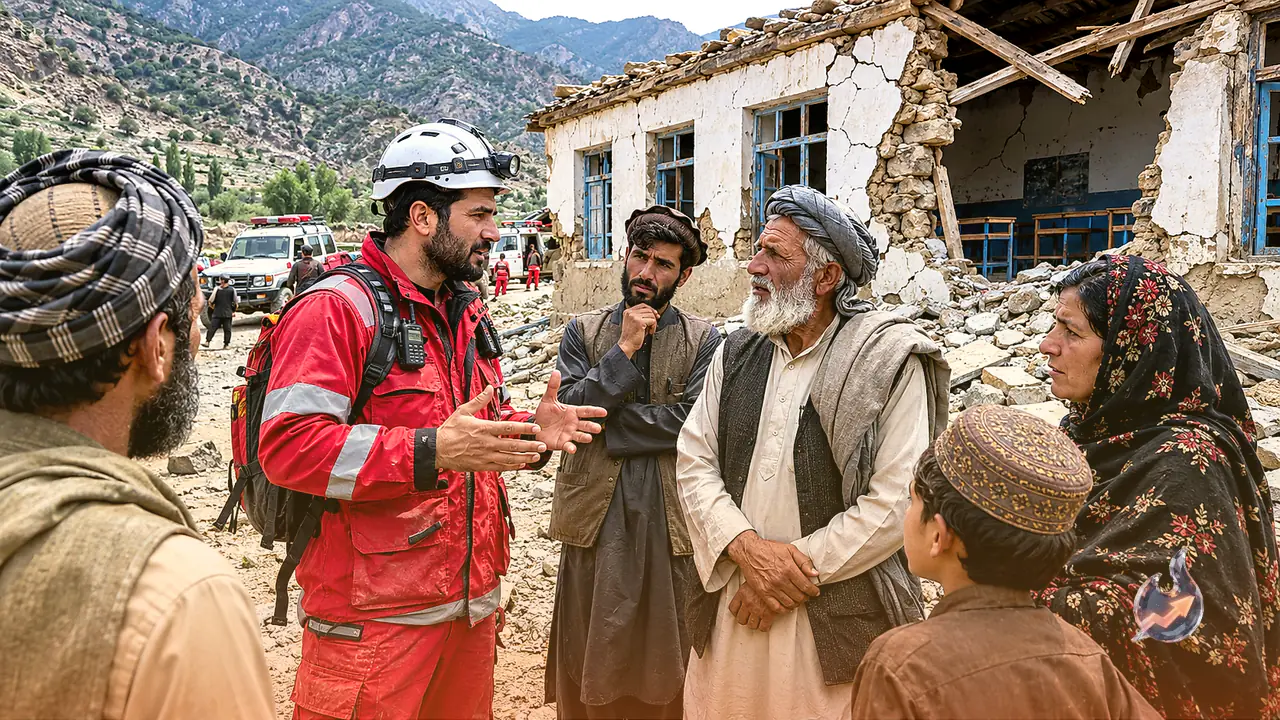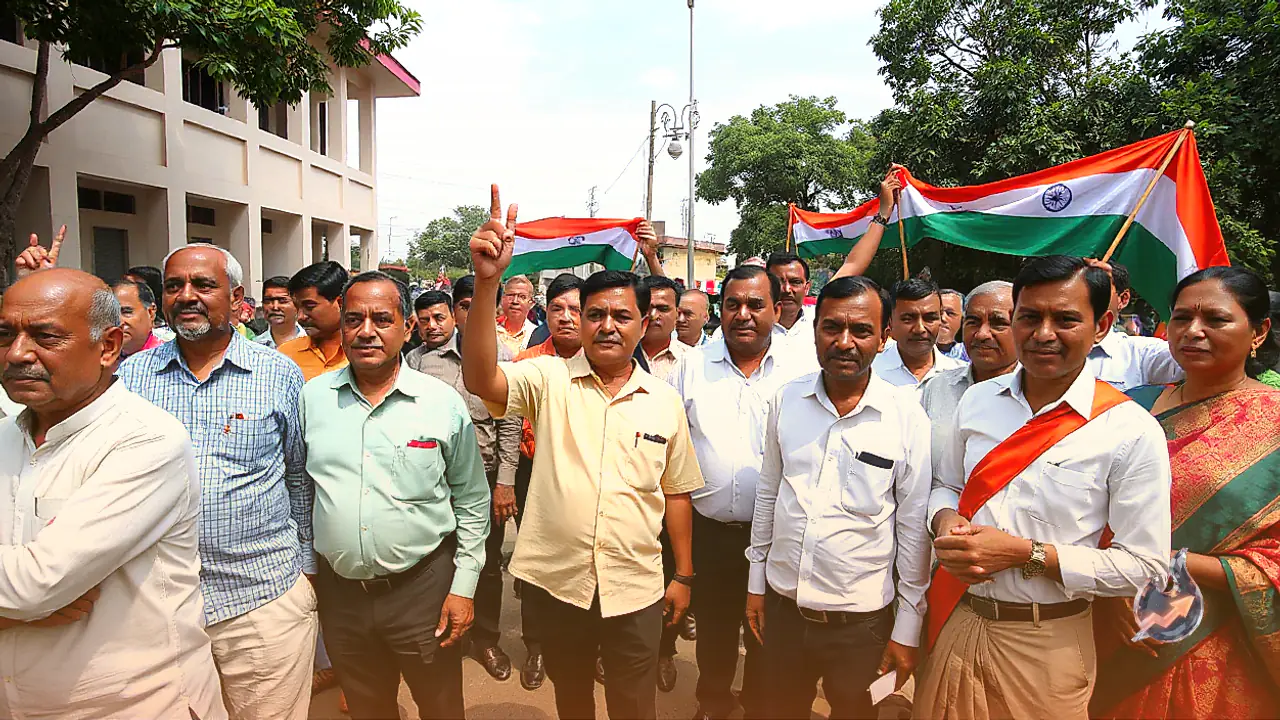

Internally displaced persons living outside formal relief centers in the Churachandpur district of Manipur have called off their planned 48-hour district-wide shutdown. The decision follows a formal invitation from Chief Minister Yumnam Khemchand Singh to enter into detailed discussions regarding their pending demands and official recognition.
Written Invitation Pauses District Shutdown
The Joint Internally Displaced Persons Committee, representing families residing outside designated state relief facilities, released a statement confirming the postponement of the protest. The committee had originally scheduled the total shutdown to begin at 6 am on November 30 to press for recognition, structured registration, and comprehensive rehabilitation support.
Following the receipt of a written invitation from the Chief Minister's office, the committee leadership decided to pause the agitation. Representatives expressed gratitude to local residents, civil society organizations, and community groups for supporting their cause, while clarifying that any future course of action will be decided based on the outcome of the upcoming dialogue with the state leadership.
Thousands of Displaced Citizens Outside Official Records
The ongoing protest stems from grievances over the perceived administrative neglect of families displaced since the breakout of conflict in May 2023 who are not residing in government-run relief camps. According to statistics shared by the committee, 4,389 households comprising 20,487 individuals in Churachandpur remain unrecorded in official government registries for displaced persons, thereby depriving them of regular state assistance.
The committee maintains that displaced individuals staying with relatives, in rented accommodations, or in self-arranged emergency shelters have lost their homes and livelihoods just like those in official camps. Consequently, they argue that these citizens deserve identical government recognition, relief packages, and structured rehabilitation measures.
Key Demands Put Forward for State Action
To address the crisis, the committee has presented a six-point charter of demands to the state administration. The demands prioritize a transparent verification and registration drive to enroll all non-camp displaced persons into official state records. They also request direct financial or material assistance for rebuilding destroyed and damaged houses, along with temporary housing support until permanent residential rehabilitation is fully executed.
Additionally, the charter calls for employment opportunities within government bodies for the next of kin of individuals killed during the violence. It emphasizes the need for dedicated livelihood and skill programmes aimed at displaced adults and youth who have been out of employment for over three years.
To ensure transparency and prevent middleman interference, the committee has urged that financial aid be remitted through direct bank transfers. The package also demands fair, timely compensation for commercial properties, shops, private vehicles, household items, and vital documents lost or ruined during the unrest.
Warning of Further Democratic Protests
Prior to receiving the meeting invitation, the committee had cautioned that failure to initiate immediate dialogue or execute practical steps would force them to launch a complete boycott of non-essential government offices and public institutions starting December 2.
Characterizing the potential boycott as a last democratic recourse following prolonged unaddressed appeals, the committee had sought the backing of public bodies, apex tribal institutions, and student unions across Lamka and nearby regions. The organization also conveyed regrets for the inconvenience the proposed shutdown might inflict on students, hospital patients, commercial traders, and daily wage earners across the region.