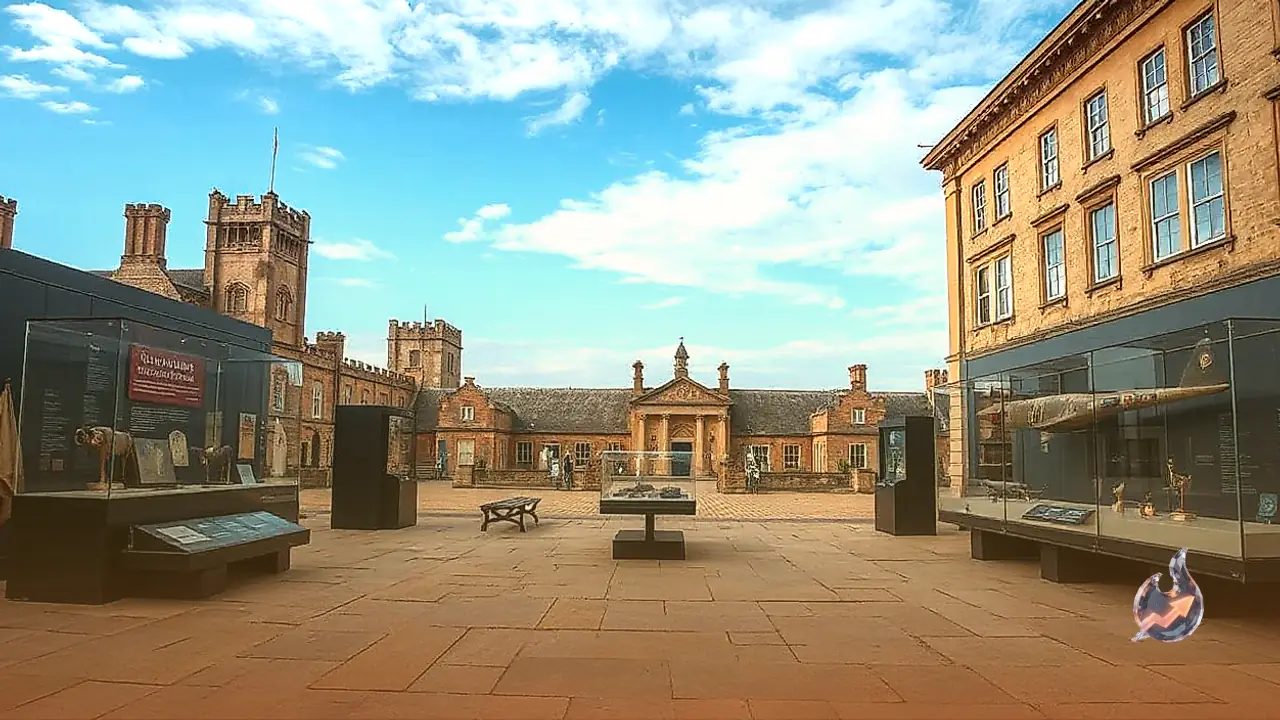

Personal belongings and sacred items seized from the legendary Naga freedom fighter and spiritual leader Rani Gaidinliu during the British colonial period in the 1930s have been placed on public display for the very first time. The special exhibition is being hosted by the Pitt Rivers Museum at the University of Oxford in the United Kingdom. Beyond physically showcasing these rare historical artifacts, the initiative leverages modern digital tools to virtually reconnect this stolen heritage with Naga communities residing in Northeast India.
Exhibition Schedule and Digital Repatriation Effort
Titled 'The Afterlives of Captured Objects: Reanimating the Gaidinliu Collection Digitally', the exhibition officially opened to visitors on November 27 and is scheduled to run through August 31, 2027. The showcase represents the outcome of an extensive four-year collaborative research endeavor involving scholars from India alongside academics from the University of Edinburgh and the University of Oxford.
Through digital archiving and interactive technologies, the research team worked to ensure these historic relics become accessible to the descendants of the people from whom they were taken. Virtual access is being extended across three northeastern Indian states where Naga populations reside. This engagement includes local community workshops, pop-up exhibitions, creative cultural programs, and social media outreach designed to reawaken the historical and spiritual resonance of the collection.
Key Relics Included in the Gaidinliu Collection
The collection consists of 27 distinct artifacts confiscated during counter-insurgency operations conducted by British military forces, district collectors, and colonial anthropologists operating in Northeast India during the 1930s. Among the items on view are traditional garments, spiral armbands, metal personal ornaments, ritual implements, textiles, and objects that colonial administrators noted were carried for spiritual protection.
One of the most valuable components of the assemblage is a set of 12 notebooks in which Rani Gaidinliu documented her prophetic revelations using a unique script she developed. The display also features the specific woven basket in which she stored these documents. She was forced to abandon this basket while escaping a British military raid near Hangrum in 1932. Her followers and community members continue to view these written records and belongings as deeply sacred heritage.
Life, Anti-Colonial Resistance, and Legacy of Rani Gaidinliu
Rani Gaidinliu was born in 1915 into a Rongmei Naga family in Manipur. By her mid-teens, she had emerged as a prominent political and spiritual voice, earning the revered title of 'Rani' or queen. During the late 1920s, she joined forces with her cousin Haipou Jadonang to launch a formidable anti-colonial rebellion against British rule. Their movement sought to overthrow British authority, resist the rapid spread of foreign missionary Christianity, and preserve indigenous Naga religious traditions.
British authorities executed Jadonang in 1931, but Gaidinliu continued leading the struggle until her capture in 1932. She remained incarcerated in various colonial prisons for 15 years until India attained independence in 1947. Following her release, she served as a spiritual guide for the Heraka faith and championed the cause of a unified Zeliangrong Naga territory across three states in Northeast India. In recognition of her extraordinary service to the nation, the Government of India awarded her the Padma Bhushan in 1982. She passed away in 1993.
Global Significance of Pitt Rivers Museum's Naga Collections
The Pitt Rivers Museum in Oxford holds the world's largest repository of ethnographic artifacts related to Naga culture, safeguarding approximately 6,500 Naga objects collected during the colonial era. Of these holdings, roughly 898 objects are currently on public display within the museum's galleries. This exhibition creates a fresh dialogue by linking the physical artifacts in Oxford with the lived memories, oral traditions, and contemporary perspectives of Rani Gaidinliu's family and the broader Naga community.