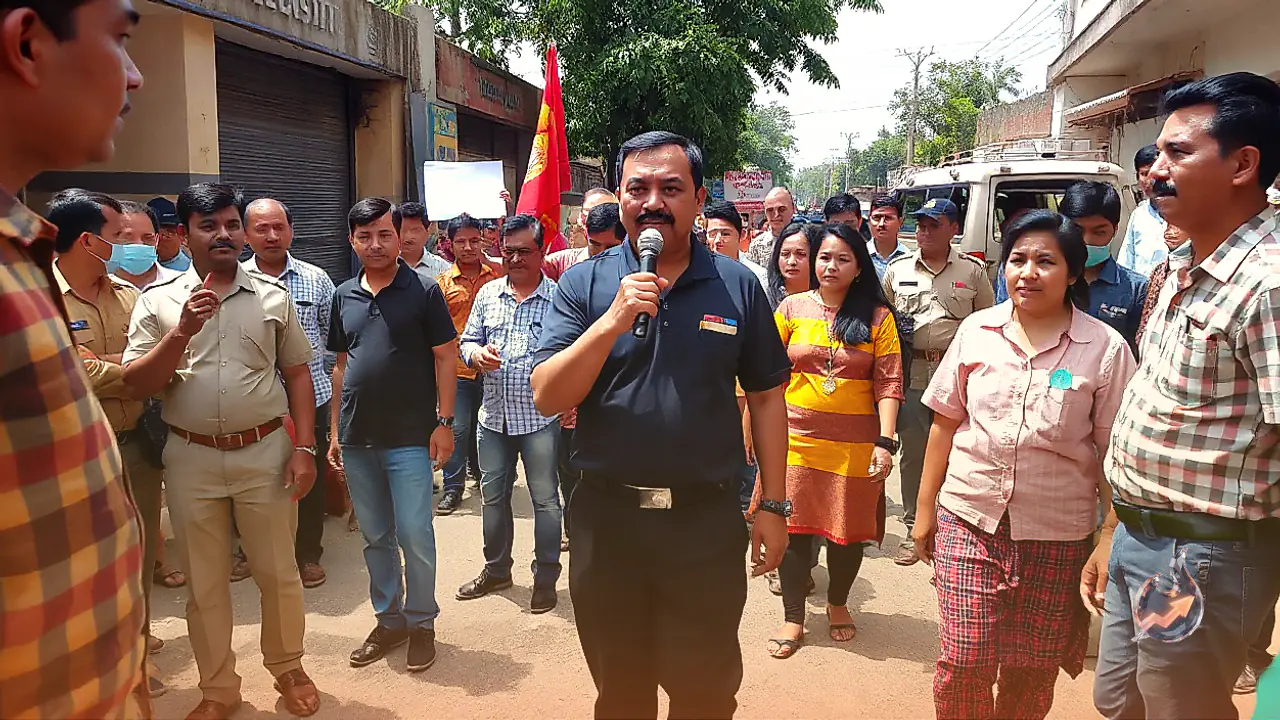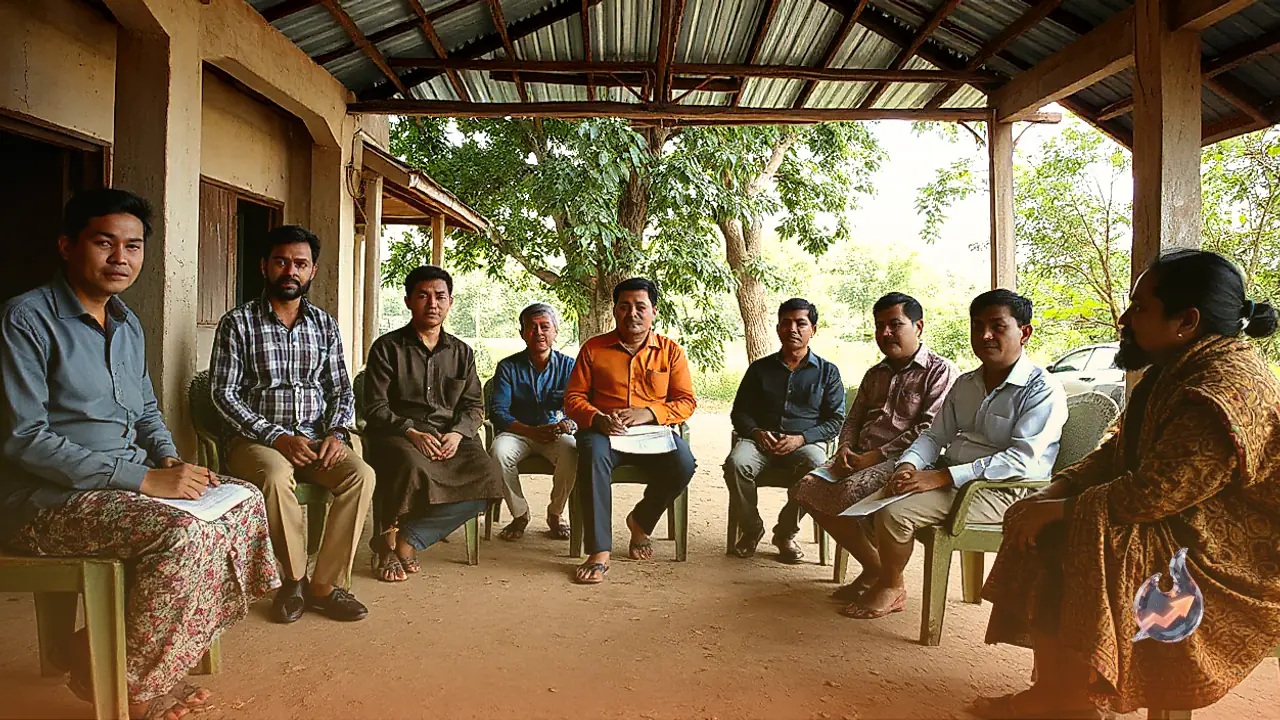

Mizoram has recorded a significant 81.23 percent reduction in fatalities connected to HIV and its associated medical conditions, demonstrating positive outcomes from collaborative public health measures. The state's ongoing trajectory was evaluated during a high-level meeting of the State Council on AIDS chaired by Chief Minister Lalduhoma at the Chief Minister’s Conference Hall.
Focus on Vocational Skills and Financial Independence
Addressing council members, Chief Minister Lalduhoma underscored the absolute necessity of creating durable economic opportunities for individuals recovering from substance dependence. He directed government departments to establish structured skill development programs, enabling affected persons to rebuild their daily lives and achieve long-term financial self-reliance.
The Chief Minister observed that while accidental exposures do occur, individuals can substantially diminish their risk profile by practicing informed lifestyle choices. To safeguard the long-term dignity of affected populations, he tasked the Mizoram State Council on AIDS with formulating targeted vocational frameworks designed to secure sustainable livelihoods for people living with HIV.
Health Ministry Directives and Routine Screenings
Health and Family Welfare Minister Lalrinpuii highlighted that early awareness of one's infection status remains the single most effective tool in halting transmission. She strongly advised couples to undergo mandatory HIV testing before marriage and urged diagnosed individuals to adhere strictly to prescribed medical treatment routines without interruption.
Epidemiological Trends and Transmission Vectors
Presenting statistical evaluations covering the period between April and October 2026, MSACS Project Director Dr. Jane Rinsangi Ralte revealed that 85,479 individuals underwent testing across the state. This testing demographic comprised 42,795 males, 31,786 females, and 10,898 mothers receiving antenatal care.
The laboratory diagnostic results indicated positivity rates of 1.63 percent among tested males, 1.20 percent among females, and 0.77 percent among antenatal mothers. A detailed breakdown of transmission dynamics showed that sexual contact accounted for 75.19 percent of all recorded cases, shared contaminated injecting gear represented 21.56 percent, while parent-to-child transmission comprised 1.86 percent.
District Performance and National Targets
An epidemiological trend evaluation spanning 2010 to 2024 established Mizoram’s baseline prevalence rate at 2.75 percent, with newly detected annual cases maintaining a steady downward trajectory.
The review meeting also assessed Mizoram's movement toward reaching India's national 95-95-95 HIV control targets. The districts of Khawzawl, Saitual, Mamit, and Hnahthial currently lead the state in reaching these benchmarks, while Lawngtlai is projected to join the top-performing group in the near future.