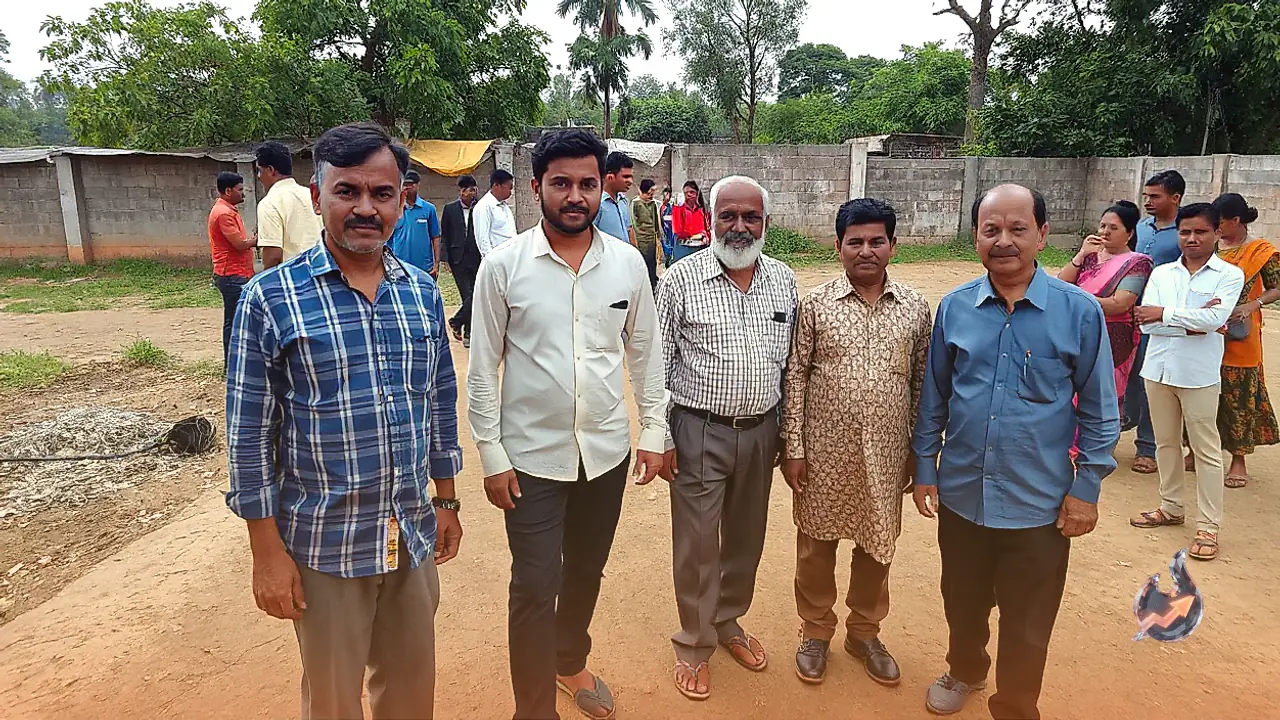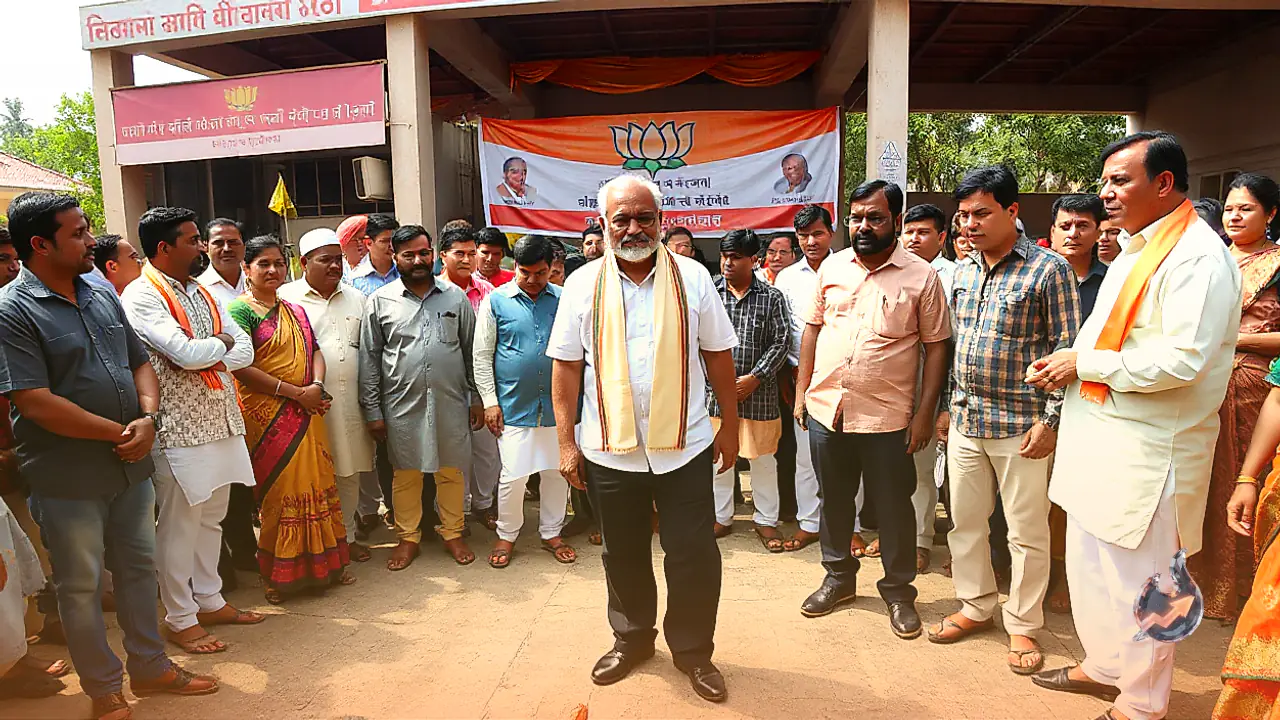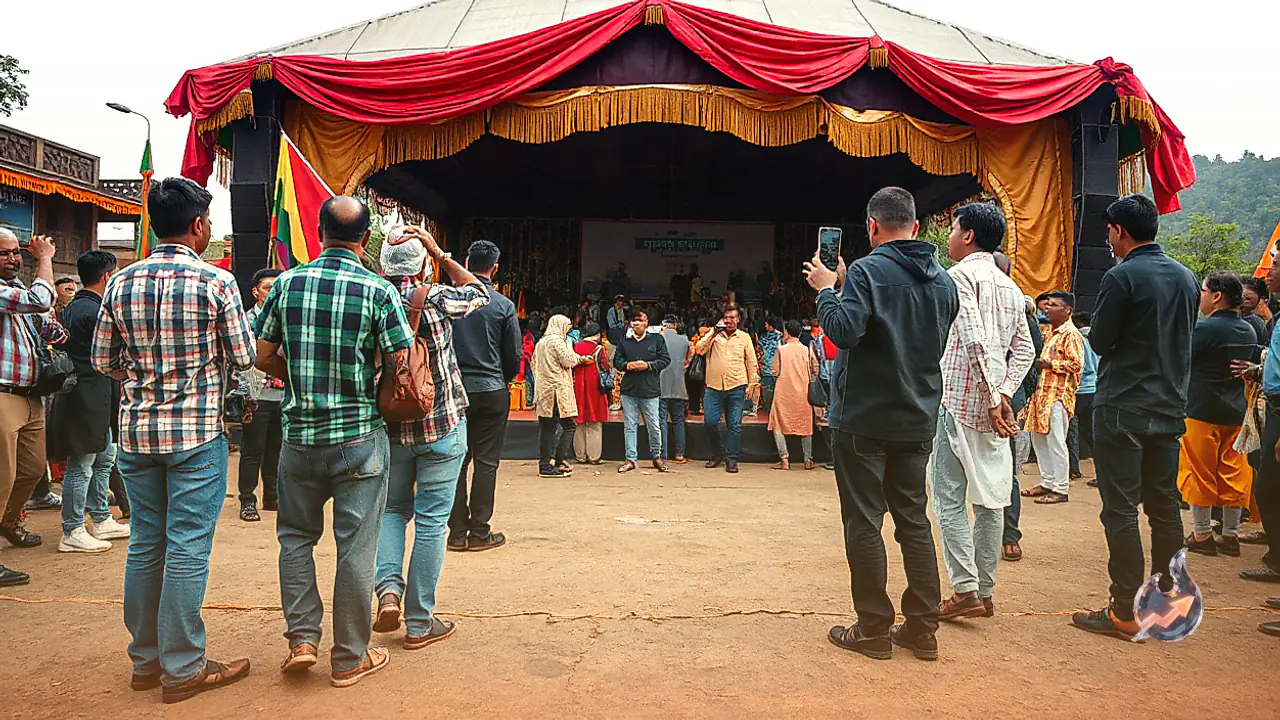






















Relations between the Kuki and Naga communities residing in the hill areas of Manipur have completely broken down, turning former friends into strangers who refuse to exchange a word. Taphu Kuki village head Lenkhomong Chongloi describes the current atmosphere by comparing it directly to the Kargil conflict between India and Pakistan.
The Illusion of Peace and Broken Digital Ties
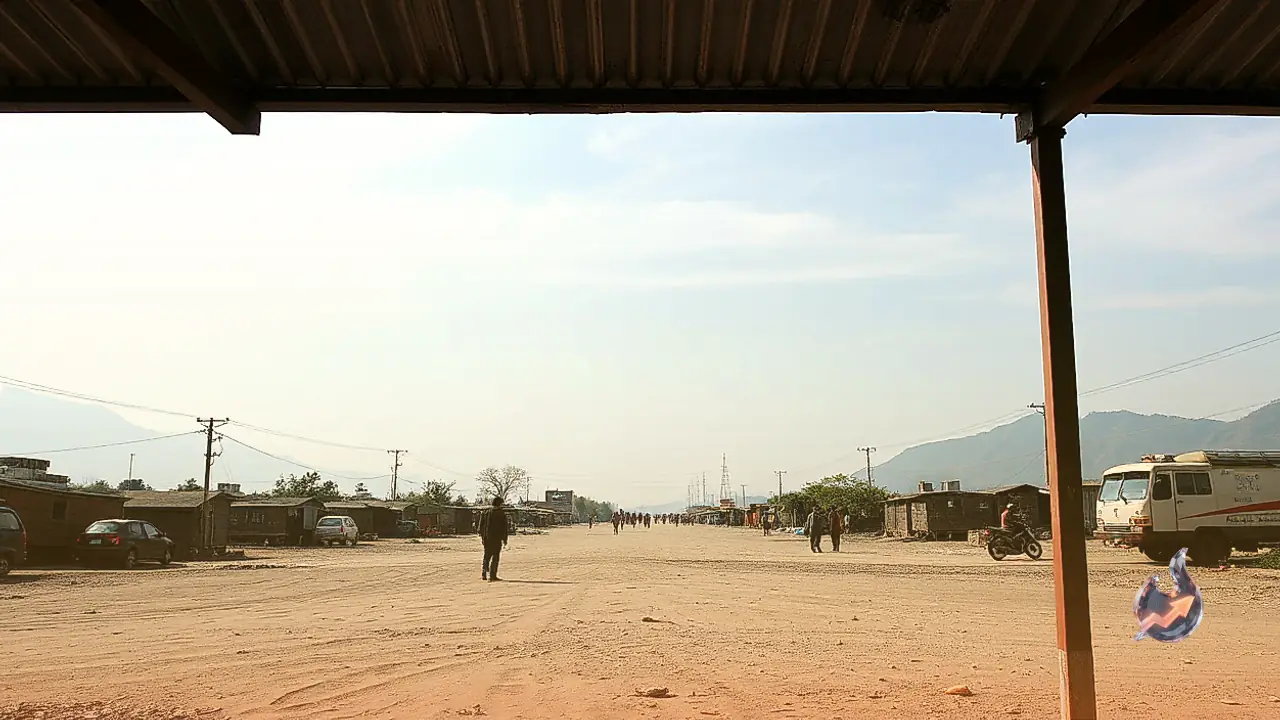
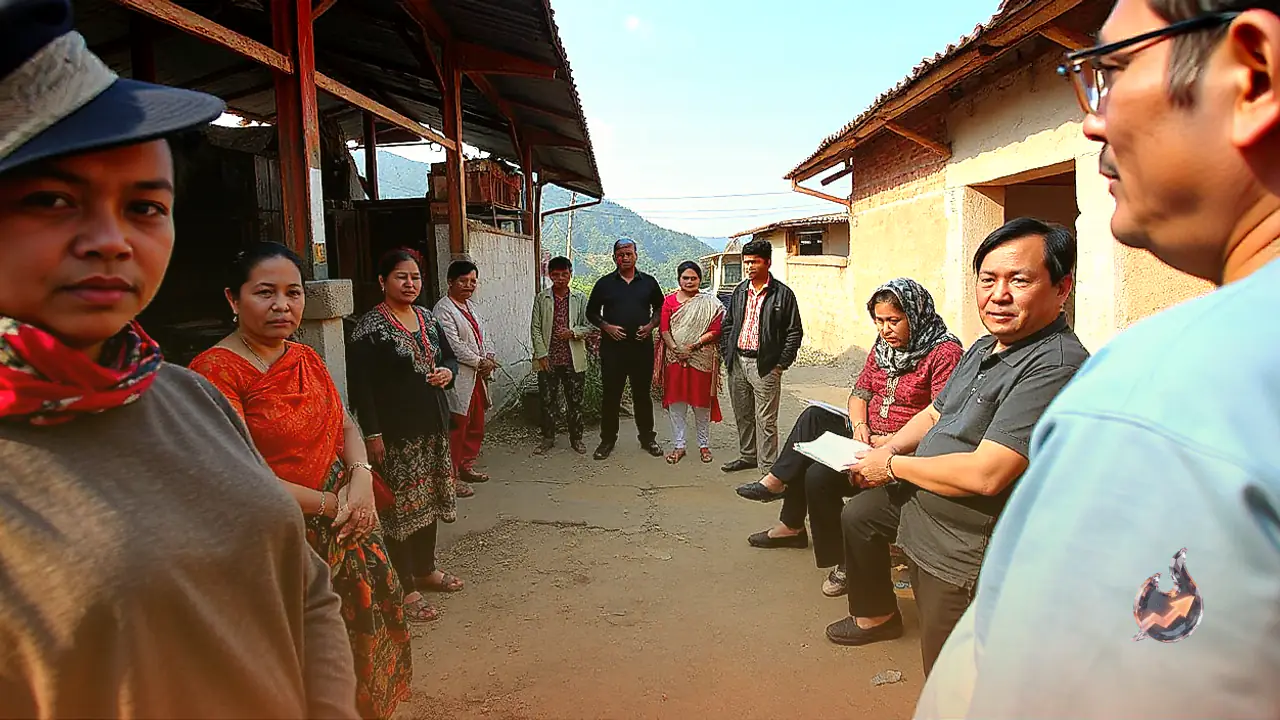
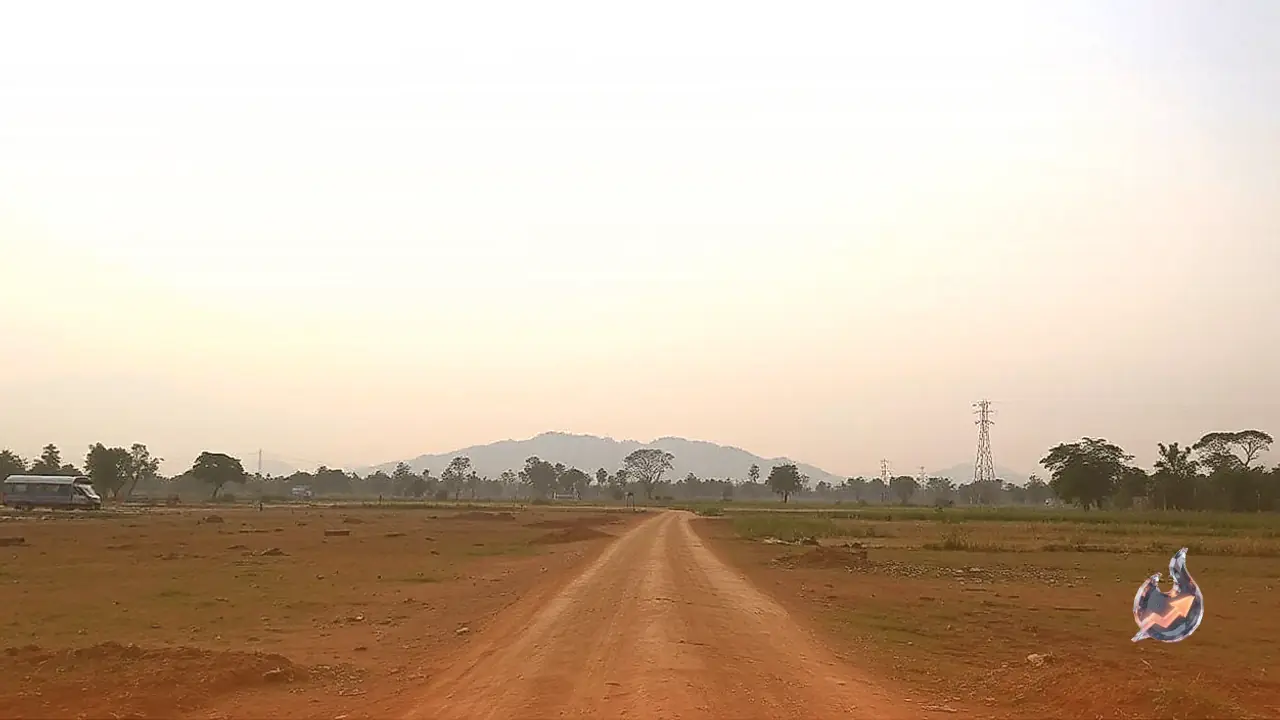
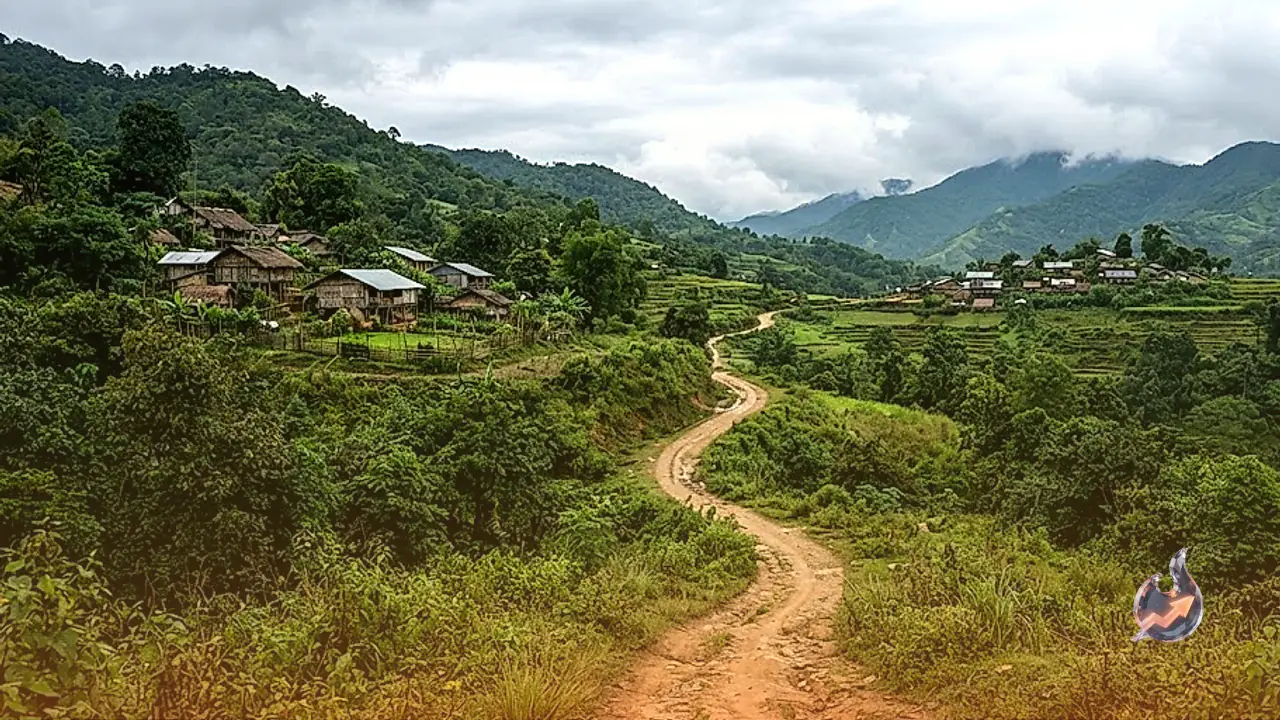
While the picturesque valleys and lush green mountains of the region could easily rival any scenic destination in the world, this tranquility is entirely deceptive. Standing atop any roof or open road under a clear blue sky might give a false sense of peace, but that calm no longer exists on the ground. Located roughly 65 kilometers away from the capital city of Imphal, the settlements of both communities are situated so closely across the slopes and fields that outsiders struggle to determine where one village ends and another begins. Api Pamai lives a short distance away from Chongloi, and their sons used to attend the same school while visiting each other regularly. Recalling the past, 35-year-old Pamai mentions that they grew up together and he has several friends on the other side, but communication has completely stopped since May, and though they still view WhatsApp statuses, they no longer reply because circumstances have completely transformed. Security barriers have now been erected between the two settlements.
Situated along the border of the Kangpokpi and Senapati districts, the area witnessed a sharp escalation in the Kuki-Naga feud following hostage-taking incidents in May and June. While the Senapati district is predominantly inhabited by the Naga community, Kangpokpi has a higher concentration of the Kuki-Zo population alongside several Naga villages. Ongoing violence since May 2023 has claimed over 300 lives and displaced nearly 60,000 residents. Government records state that the death toll stood at 306 by August 31 of this year, with additional killings occurring subsequently.
Abductions and the Recovery of Bodies
A targeted ambush in the Kangpokpi district on May 13 resulted in the killing of three Kuki-Zo church leaders, triggering a series of retaliatory abductions of villagers across Kangpokpi and the neighboring Senapati district. Naga representatives defended the kidnapping of Kuki villagers as a counter-action. Although several hostages were released two days later, six Naga men remained missing. In response, Naga organizations detained 14 Kuki men and demanded the release of their missing members, while Kuki groups denied holding anyone captive. Following nearly a month of detention, the 14 Kuki men were released on June 9, but the bodies of the six missing Naga men were recovered the very next day. Liangmai Naga Council General Secretary Benwang Bor states that because Kuki groups abducted their people, they had to seize individuals from Senapati, taking good care of them before releasing them, only to find six of their own men murdered in return. For nearly two years following May 2023, the Naga community remained largely detached from the Meitei-Kuki conflict, though historical disputes concerning land, settlements, and political aspirations between Kukis and Nagas persisted, having turned violent back in the 1990s.
Preparation for Conflict and Territorial Disputes
Minthang, a volunteer residing in Taphu Kuki village, recalls having friendly ties with members of the Naga community in the past, but notes that villagers now speak of defending their settlements and openly acknowledge possessing automatic weapons and guns. He asserts that while the previous generation felt helpless during the violence of the 1990s, the community is much better prepared this time. Conversely, Ahjapao MK recounts surviving an ambush on August 27 along the Imphal-Tamenglong road in Kangpokpi district, during which four Naga men were killed and he managed to escape into the forest to hide for hours. He claims that the Kuki community was fully prepared to initiate this conflict. Both sides justify their respective preparations as necessary for self-defense while viewing the opposing side's readiness as evidence of calculated aggression. For Ahjapao, the issue extends beyond village security to questioning how the Kuki community can claim the area as their native homeland, asserting that they are outsiders and pointing out that Taphu is originally a Naga name with Kuki appended to it.