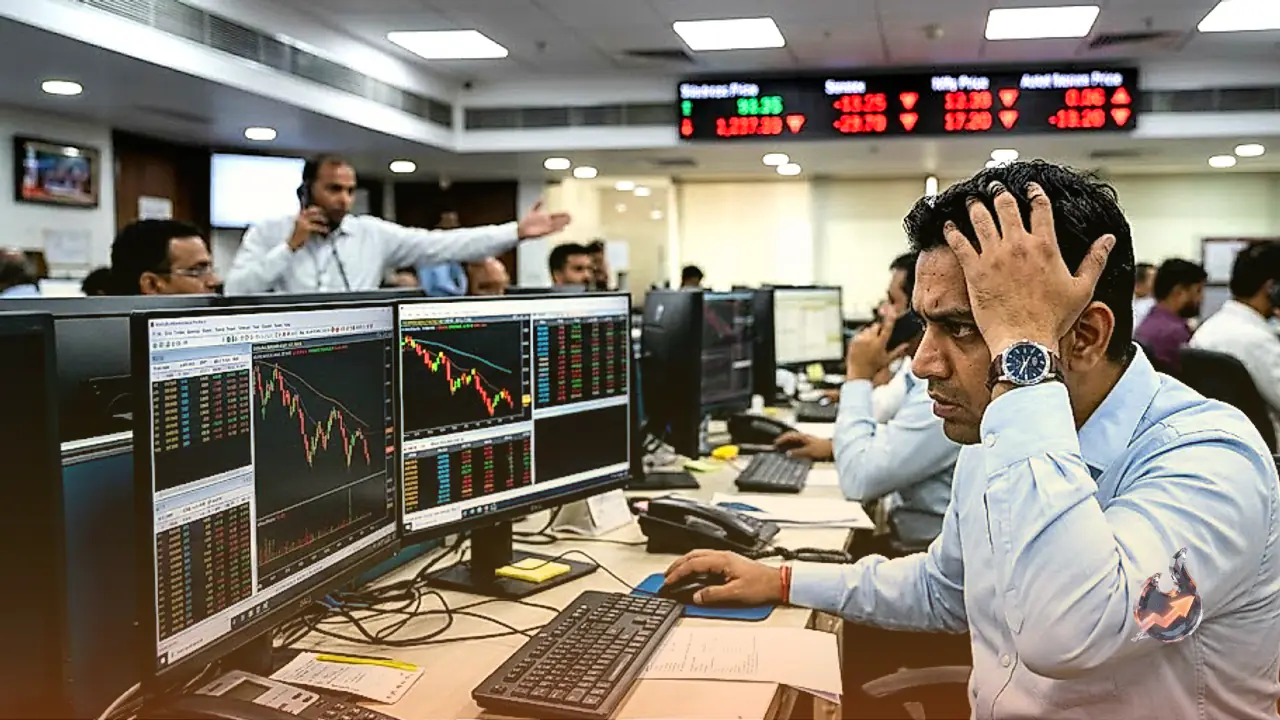

























The Australian Dollar is showing unexpected resilience, navigating turbulent global waters as it holds its ground around the 0.7010 level against the US Dollar in early Asian trading sessions on Tuesday. This stability in the AUD/USD pairing comes at a time of extreme geopolitical stress, highlighting a complex tug-of-war between rising international risks and localized economic factors supporting the Australian currency.
Geopolitical Shockwaves: United States Strikes on Iran
The global financial landscape has been violently rattled by a severe escalation in Middle Eastern tensions. On Monday, the US Central Command (CENTCOM) confirmed that it had carried out a series of comprehensive military strikes against targets in Iran. The military action followed a stark warning from US President Donald Trump, who explicitly stated that the government in Tehran would be held responsible and forced to pay a heavy price for the tragic deaths of three American soldiers that occurred over the preceding days.
The impact of these strikes echoed rapidly across the region. Iranian state media outlets began reporting multiple large-scale explosions across the southern part of the country. The areas affected by the blasts included strategically significant locations such as Qeshm Island, as well as the cities of Bandar Abbas, Sirik, Chabahar, Isfahan, and Konarak. The rapidly deteriorating security situation prompted neighboring nations to go on high alert, with Kuwait announcing that it had formally activated its air defense systems to counter potential threats from Iranian missile and drone attacks. Ordinarily, such profound instability in the Middle East triggers an intense flight to safety among global investors. This risk-off market sentiment traditionally exerts heavy downward pressure on riskier, growth-sensitive assets like the Australian Dollar, while simultaneously driving capital into established safe havens such as the US Dollar. However, the AUD has managed to absorb the initial shock, pointing to underlying support mechanisms.
The Reserve Bank of Australia: A Calculated Pause
A primary factor anchoring the Australian currency is the careful, data-dependent approach currently being utilized by the Reserve Bank of Australia (RBA). At its crucial June policy meeting, the central bank board made the strategic decision to leave the Official Cash Rate (OCR) entirely unchanged at 4.35%. This pause comes after a period of aggressive monetary tightening earlier in the year, which saw the RBA deliver three consecutive 25 basis points (bps) interest rate hikes in an effort to combat stubborn consumer price growth.
The Australian central bank is presently operating in a strict wait-and-see mode. Policymakers are utilizing this window to meticulously evaluate how their accumulated interest rate increases are filtering through the broader economy. They are attempting to strike a delicate balance between quelling sticky core inflation, which remains a persistent headache, and avoiding unnecessary damage to a domestic economy that is already exhibiting distinct signs of cooling down. By holding rates steady at relatively elevated levels compared to historical norms, the RBA ensures that the yield on Australian assets remains attractive to foreign investors, which inherently provides a solid floor for the currency valuation.
Inflation Mandate and Credit Conditions
The central mandate of the Reserve Bank of Australia is to maintain a stable inflation rate of 2% to 3% across the economy. To achieve this target, the central bank actively adjusts baseline interest rates up or down, which dictates the rates at which Australian commercial banks can lend capital to one another. These adjustments ripple outward to influence the cost of borrowing for businesses and consumers nationwide. Beyond simple rate adjustments, the RBA also has the authority to deploy quantitative easing or tightening to steer broader credit conditions. When the central bank engages in quantitative easing to pump liquidity into the system, the resulting loose credit environment is fundamentally negative for the AUD. Conversely, quantitative tightening restricts money supply and is broadly positive for the Australian Dollar.
Interest Rate Futures and Market Expectations
Forward-looking financial markets are continually attempting to price in the next move from the central bank, which directly impacts the daily trading value of the currency. The ASX 30-Day Interbank Cash Rate Futures, a key instrument used by traders to hedge against or speculate on future interest rate changes, currently reflect a cautious but persistent expectation of further tightening.
According to the latest pricing data, these futures imply a roughly 16% probability that the RBA will pull the trigger on another interest rate hike at its upcoming August meeting. Looking further out along the yield curve, the futures market suggests there is a much more substantial 50% to 60% possibility of at least one more rate increase being implemented by December 2026. This lingering threat of higher borrowing costs prevents traders from aggressively shorting the Australian Dollar, as higher interest rates typically attract capital inflows seeking better returns, thereby strengthening the currency.
The Role of Iron Ore in Australia Economy
Beyond monetary policy, the Australian Dollar is heavily tethered to the nation immense wealth of natural resources, functioning essentially as a proxy for global commodity demand. Iron Ore stands as the undisputed king of Australia export market. According to baseline data from 2021, the export of this crucial steel-making ingredient generates a staggering $118 billion annually for the national economy.
Because of this massive volume, the global market price of Iron Ore acts as a powerful fundamental driver for the AUD. The mechanics are straightforward. When global prices for Iron Ore rise, international buyers must exchange more of their native currencies for Australian Dollars to purchase the same amount of raw material. This surge in aggregate demand directly pushes up the value of the AUD. Conversely, when commodity markets slump and Iron Ore prices fall, the currency tends to depreciate. The elevated revenue from high commodity prices also significantly increases the likelihood of a robust, positive Trade Balance, which further reinforces the fundamental strength of the currency in international forex markets.
The Chinese Economic Engine
The destiny of Australia commodity exports, and by extension its currency, is inextricably linked to the economic health of its largest trading partner, which is China. The vast majority of Australian Iron Ore, coal, and natural gas shipments are destined for Chinese ports to feed the nation massive industrial and construction sectors. Consequently, the Chinese economy exercises a major gravitational pull on the value of the Australian Dollar.
When the Chinese economy is expanding rapidly, infrastructure projects multiply and factory output surges. This scenario necessitates the purchase of significantly more raw materials, goods, and services from Australia, which lifts the underlying demand for the AUD and pushes its exchange rate higher. On the flip side, if the Chinese economy stumbles or fails to grow as fast as analysts expect, the anticipated demand for resources shrinks, dragging the Australian currency down with it. For this reason, currency traders meticulously monitor Chinese growth data, as positive or negative surprises in these figures often trigger immediate, volatile reactions in AUD currency pairs.
Trade Balance as a Currency Driver
The national Trade Balance represents the net difference between the total revenue a country earns from its exports and the total amount it spends to acquire imports from abroad. This macroeconomic metric is a crucial gauge of economic health and a key factor that can independently influence the value of the Australian Dollar.
When Australia successfully produces and exports highly sought-after goods, foreign buyers create a massive surplus of demand for the currency. They need Australian Dollars to settle those international invoices. If this export revenue vastly outweighs the amount Australian consumers and businesses are spending on imported electronics, vehicles, and consumer goods, the resulting positive net Trade Balance actively strengthens the AUD. It indicates a net inflow of wealth into the country. Conversely, if the nation begins importing significantly more than it exports, the Trade Balance turns negative, indicating a net outflow of capital, which fundamentally weakens the currency against its global peers.
Global Currency Market Fallout: Pound and Euro Under Pressure
The geopolitical shockwaves emanating from the Middle East are producing highly divergent effects across the broader foreign exchange spectrum. The British Pound is currently bearing the brunt of intense selling pressure. The GBP/USD pairing has suffered a notably bearish start to the trading week, declining sharply to revisit multi-day low territory around the 1.3420 mark. This downward trajectory for Cable is primarily driven by a broadly firmer Greenback, as international investors scramble to assess the ongoing developments and potential fallout from the escalating US-Iran conflict. Moving forward, currency traders focusing on the Pound will quickly shift their attention to the upcoming UK employment report scheduled for release on Tuesday, which could provide localized economic data to counter the global risk-off narrative.
The Euro is experiencing a similarly pressured environment. The EUR/USD pair has posted modest, incremental losses, drifting lower to trade around 1.1410 during the early Asian hours on Tuesday. The renewed military tensions between the United States and Iran continue to act as a powerful catalyst for risk-off sentiment, heavily weighing on the Euro against the safe-haven appeal of the US Dollar. Market participants focused on the Eurozone are eagerly awaiting the release of the highly regarded ZEW economic sentiment surveys from Germany and the broader European bloc due later on Tuesday. Additionally, the impending release of the US ADP employment report will serve as a crucial data point for determining the next directional move for the world most traded currency pair.
Safe-Haven Assets Shine: Gold Prices Surge
In times of profound global uncertainty and military conflict, capital historically flees toward traditional stores of value. This dynamic is clearly visible in the precious metals market, where Gold is holding exceptionally steady, trading above the historic $4,000 threshold during the Asian session on Tuesday. However, despite the elevated price level, the immediate upside potential for the yellow metal seems somewhat constrained by competing macroeconomic forces.
The broader economic environment is characterized by intense inflation fears, which are being actively stoked by elevated crude oil prices directly linked to the instability in the Middle East. These inflationary pressures reaffirm market bets that the US Federal Reserve may be forced to maintain, or even hike, US interest rates to cool the economy. Higher interest rates enhance the yield on government bonds, which fundamentally underpins the strength of the US Dollar. A stronger Dollar traditionally acts as a potent headwind for non-yielding bullion assets like Gold, as it makes the metal more expensive for holders of foreign currencies. Consequently, bullish Gold traders are exercising significant caution, carefully weighing the safe-haven demand generated by the war against the dampening effect of a muscular US Dollar before committing to new, meaningful long positions.
Cryptocurrency Developments: Grayscale Eyes Worldcoin ETF
Even as traditional fiat currencies and commodities react to global military developments, the digital asset sector continues its relentless institutional expansion. In a significant regulatory move on Monday, prominent digital asset manager Grayscale officially filed an S-1 registration statement with the US Securities and Exchange Commission (SEC). The filing outlines the firm intention to launch a new, specialized investment vehicle called the Grayscale Worldcoin ETF.
If the regulatory body grants approval, the proposed exchange-traded fund is slated to be listed and actively traded on the Nasdaq stock exchange under the designated ticker symbol GWLD. The fundamental design of this fund is to provide traditional retail and institutional investors with regulated, streamlined exposure to the price movements of Worldcoin. By wrapping the digital asset within a standard ETF structure, Grayscale aims to eliminate the technical complexities and security hurdles associated with buying, storing, and managing the crypto token directly, thereby opening the asset up to a much wider pool of capital flowing through conventional brokerage accounts.