
























Currency markets are closely monitoring the movements of the British Pound as strategists point toward a potential weakening bias against the Euro. This outlook is primarily influenced by what are perceived to be overly hawkish expectations from the Bank of England regarding future monetary policy adjustments.
The Impact of Chancellor John Healey's Fiscal Stance
Sterling managed to secure a relatively stable session recently, with marginal support stemming from Chancellor John Healey's inaugural major policy address. During his speech, he delivered a resolute message emphasizing strict fiscal discipline, which played a key role in keeping long-end gilt yield increases aligned with the broader global bond sell-off.
Market analysts suggest this firm posture was deliberately adopted to instill confidence among investors ahead of a potential barrage of news headlines concerning the upcoming October budget in the weeks ahead. How severely those upcoming headlines will test market resilience remains to be observed.
Navigating Budget Risks and Market Sensitivities
Currently, Sterling is pricing in virtually no fiscal risk premium, leaving a window open for potential market anxieties to materialize. Even so, the UK government appears acutely aware of market sensitivities and is unlikely to provoke a severe confrontation with the bond market. Authorities recognize how rapidly surging yields can erode any available fiscal headroom.
Broader Foreign Exchange and Commodity Movements
Across other major currency pairs, the AUD/USD rate hovered above 0.7200 during the Asian session on Tuesday, resting near its strongest territory since May 14. The US Dollar continues to face persistent selling pressure as a strengthening Japanese Yen outweighs the supportive tailwinds from hawkish Federal Reserve projections and geopolitical frictions. Expectations surrounding another interest rate hike by the Reserve Bank of Australia later this month also bolster the Australian currency, though mixed trade data from China tempered further gains.
Meanwhile, the USD/JPY pair rebounded from six-month lows of 152.89, testing the 154.00 threshold during European trading hours on Tuesday. Upward momentum remains constrained as upbeat Japanese wage growth figures and a revised second-quarter GDP report solidify expectations for a Bank of Japan rate hike next week, continuously empowering the Yen. Concurrently, ongoing US Dollar liquidation persists despite hawkish Fed expectations.
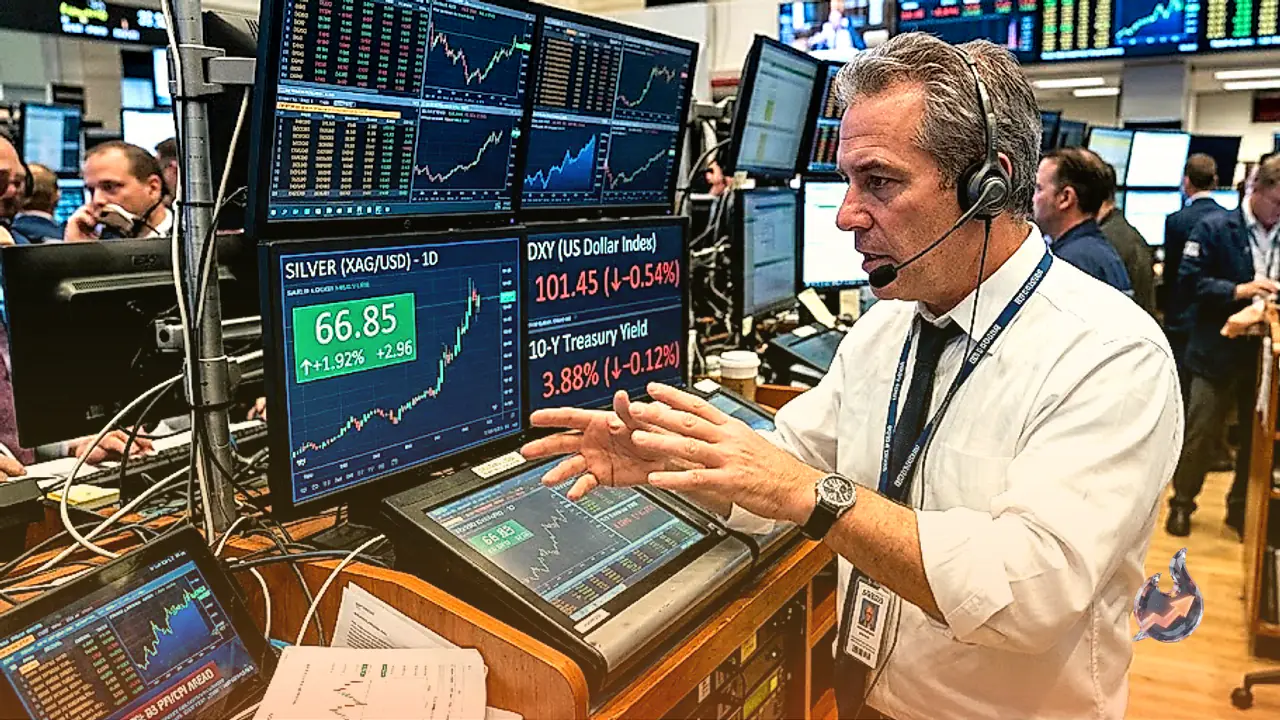
In commodities, gold pulled back toward the lower boundary of its daily range ahead of the European session, though it maintained its position above the $4,400 threshold supported by a softer US Dollar. However, hawkish Fed expectations and lingering geopolitical uncertainties continue to cap the non-yielding metal.
In the energy sector, while the broader oil market appears calmer than it did months ago, the diesel market is signaling a different trend. The US diesel crack spread, representing the premium of ultra-low sulphur diesel futures over WTI, recently breached the $100 per barrel mark for the first time, establishing an intraday record just above $102.00.