




















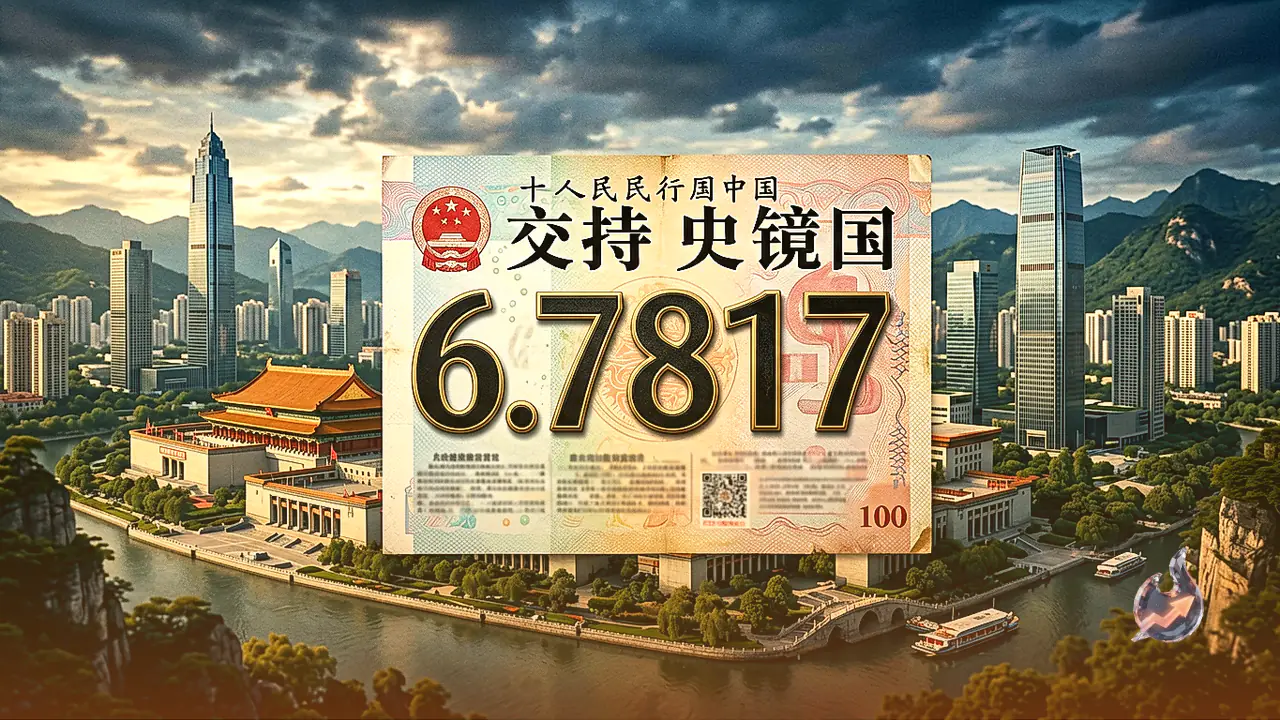

The People's Bank of China (PBOC) established the daily USD/CNY central reference rate for the upcoming trading session at 6.7817. This fixing compares to the previous session's benchmark of 6.7808 and market estimates of 6.7262. The daily reference rate setting serves as the foundational anchor for the Chinese currency, guiding onshore trading bounds and reflecting the central bank's strategy regarding foreign exchange stability.
PBOC Policy Objectives and Structural Mandate
The primary monetary policy objectives of the People's Bank of China focus on safeguarding domestic price stability, ensuring exchange rate equilibrium, and fostering sustainable economic growth. Beyond traditional central banking responsibilities, the PBOC actively manages structural financial sector reforms. These initiatives include opening domestic capital markets to international participants and modernizing overall financial market infrastructure.
Governance Model and Leadership Under Pan Gongsheng
Unlike central banking frameworks in major Western economies, the PBOC operates under the direct supervision of the state government of the People's Republic of China. Strategic decision-making and administrative oversight are heavily influenced by the Chinese Communist Party (CCP) Committee Secretary, a role appointed by the Chairman of the State Council. Currently, Pan Gongsheng holds dual leadership roles as both Governor and CCP Committee Secretary of the PBOC, streamlining policy execution across monetary and regulatory domains.
China's Policy Instruments and Benchmark Interest Rates
To achieve its macroeconomic objectives, the PBOC employs a diverse operational toolkit. Key policy mechanisms include the 7-day Reverse Repo Rate (RRR), the Medium-term Lending Facility (MLF), targeted foreign exchange interventions, and the Reserve Requirement Ratio (RRR) for commercial lenders.
However, the Loan Prime Rate (LPR) serves as China's primary interest rate benchmark. Adjustments to the LPR directly dictate interest rates applied to commercial loans, consumer mortgages, and savings accounts. By managing the LPR, the PBOC exercises indirect control over systemic liquidity while influencing the broader exchange rate path of the Renminbi.
Private Banking Sector Expansion and Digital Platforms
While state-owned institutions continue to dominate China's banking sector, private financial entities maintain a growing presence. China currently houses 19 private commercial banks, representing a targeted segment of the wider financial system. The regulatory shift allowing fully private capital to fund domestic banking institutions was formally introduced in 2014.
The largest entities within this private category operate as digital lenders, notably WeBank and MYbank. WeBank is backed by technology giant Tencent, whereas MYbank receives backing from Ant Group. These institutions utilize technology platforms to deliver financial services and credit access to small and medium enterprises across the country.
Global Currency and Commodity Market Context
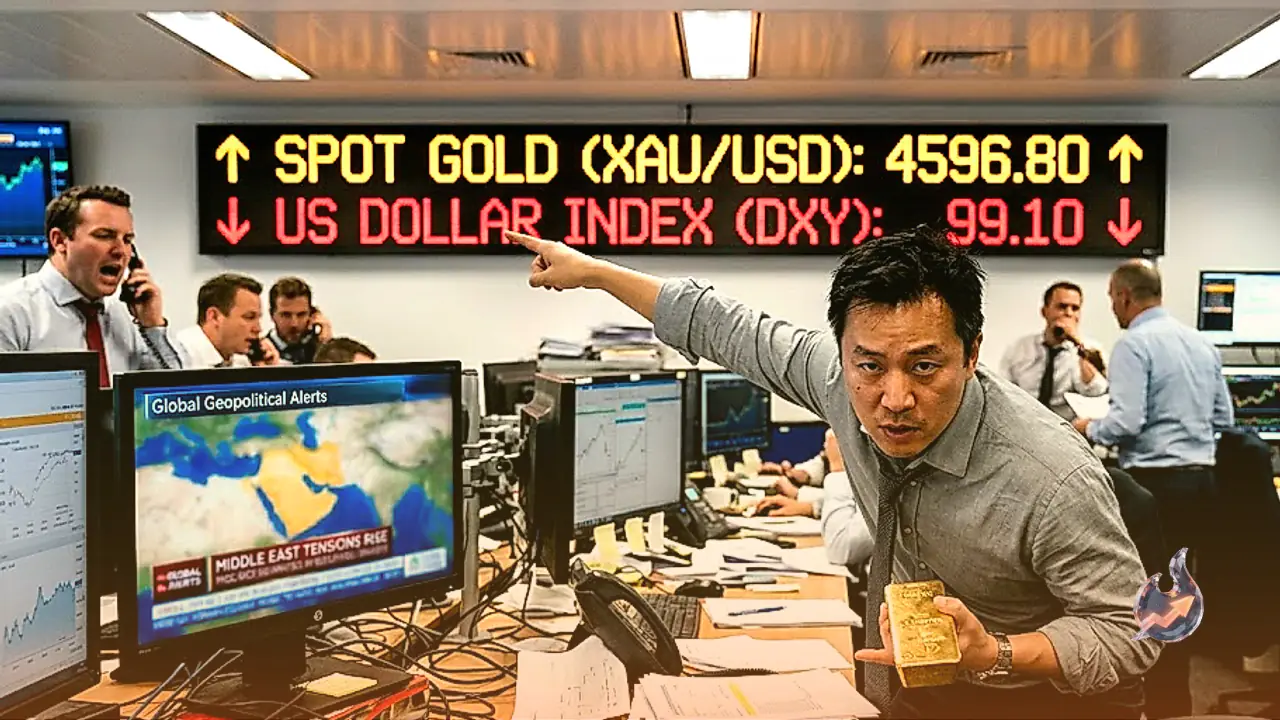
The PBOC's currency fixing coincides with broader developments across international financial markets. Spot gold remains firm above the $4,500 per ounce threshold, positioned to secure gains for a third consecutive week. Softening expectations regarding aggressive Federal Reserve interest rate hikes have moderated US Dollar strength, supporting precious metals. Concurrently, geopolitical friction between the US and Iran has heightened volatility in oil prices, contributing to inflation concerns and elevated US Treasury yields.
In foreign exchange trading, Cable (GBP/USD) pulled back toward the 1.3630 to 1.3620 range following earlier gains. The Euro (EUR/USD) similarly surrendered opening advances to trade below 1.1700 as the Greenback staged a modest recovery ahead of upcoming S&P Global PMI releases. In fixed income markets, the US Treasury Department announced an expansion of its liquidity support buyback operations, increasing maximum transaction sizes in the 10-year to 30-year sectors from $2 billion to at least $4 billion per operation, effective September 9 through November 4.