






















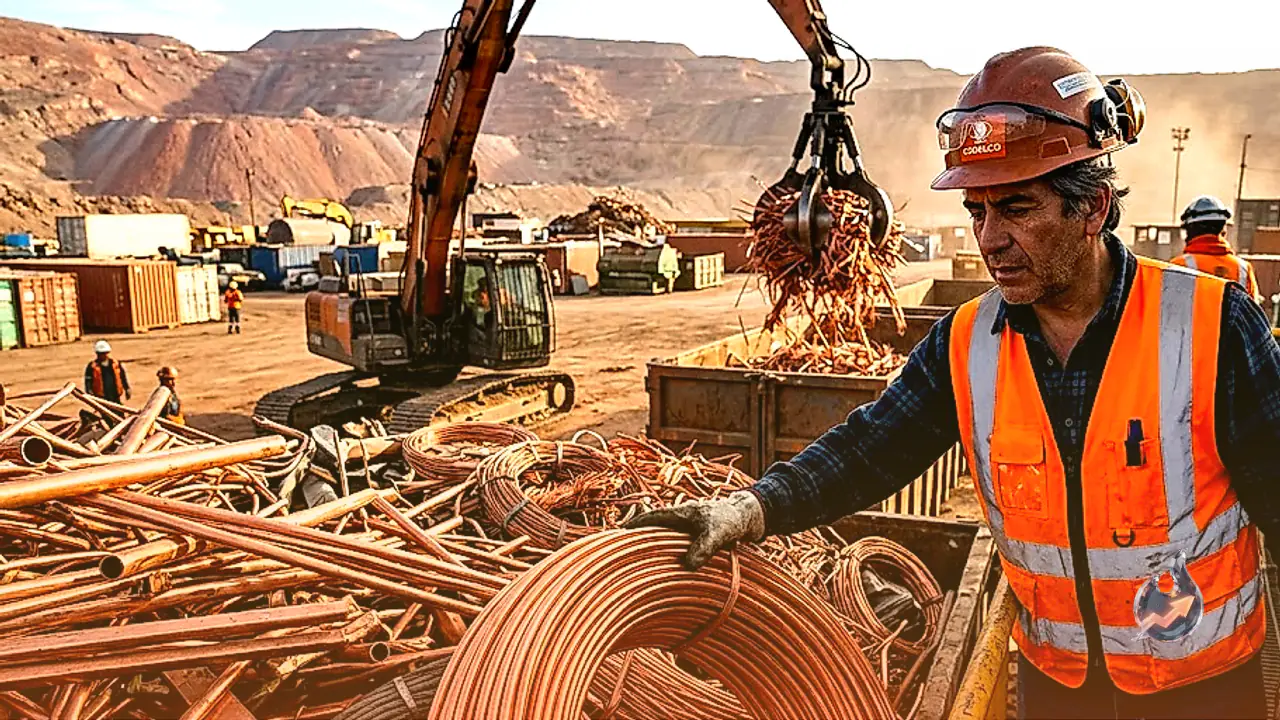

Copper has climbed to fresh nominal record levels, fueled by a powerful mix of technology-driven demand, geopolitical tensions, and supply chain disruptions. According to National Bank of Canada analyst Kyle Dahms, the industrial metal is experiencing unprecedented price pressures that are beginning to drive up infrastructure costs across the board. The rally has been strongly supported by artificial intelligence data-center construction, aggressive grid expansion, tariff-driven stockpiling, and ongoing supply shortages.
The Drivers Behind the Copper Surge
The longer-term demand outlook for copper remains firmly anchored by the rapid build-out of AI-related data centers and the massive electrical grid expansion required to power them. In the near term, however, these fundamentals have been sharply amplified by market participants rushing to stockpile the metal ahead of expected tariffs, alongside persistent disruptions at major mining and supply hubs around the world.
The Hidden Role of Sulphur and the Strait of Hormuz
One critical yet less obvious link in the current metal rally involves sulphur. Shipments through the Strait of Hormuz have been severely restricted, causing global sulphur prices to more than double since the beginning of the year. This dynamic directly impacts copper production because sulphur serves as an essential feedstock for producing sulphuric acid, which is heavily utilized in specific metal processing and extraction methods.
Reaching 15-Year Highs and Approaching 2011 Peaks
When evaluated in constant dollar terms, copper is currently trading at a 15-year high and is poised to surpass its previous peak seen in 2011. Such a milestone would push the real price of the metal to its highest level since the mid-1970s, creating significant cost pressures for heavy industries and large-scale infrastructure developers.
A Mounting Tax on Future Electrification
Market observers warn that these soaring material costs are effectively acting as a tax on the very investments designed to support future economic growth. As geopolitical fragmentation makes global supply chains increasingly unreliable, the escalating expenses associated with building power grids, AI infrastructure, and broader electrification projects are becoming a growing concern for the industry.
Broader Financial and Currency Market Movements
Meanwhile, currency and commodity markets continue to react to a complex web of global economic data and geopolitical developments. During the Asian session, the AUD/USD pair extended its consolidative price movement above the 0.7200 threshold amid mixed macroeconomic cues. Heightened expectations of a Reserve Bank of Australia rate hike have kept the Australian dollar near its highest level since May 14, though hawkish Federal Reserve expectations and escalating tensions between the US and Iran have provided a floor for the US Dollar as traders look ahead to upcoming US inflation figures.
Similarly, USD/JPY has managed to stabilize above 153.50 during the Asian trading hours, though it continues to hover near a seven-month low touched earlier in the week as aggressive repricing by the Bank of Japan underpins the Japanese yen. At the same time, rising expectations for Federal Reserve policy tightening and Middle East tensions have helped absorb selling pressure on the greenback ahead of crucial inflation reports.
In precious metals, Gold drifted lower early in the American session while holding within established ranges as investors search for clearer signals regarding future US monetary policy. The upcoming release of the US Producer Price Index and Consumer Price Index reports is widely expected to set the tone for the Federal Reserve's upcoming policy meeting. In the digital asset space, Raydium has sustained a distinctly bullish trajectory, posting nearly 9% gains to extend its robust 41% rally from Sunday. The Solana-based Decentralized Exchange is benefiting from a sharp surge in network activity and new token issuances, with technical indicators pointing toward a potential upward extension.