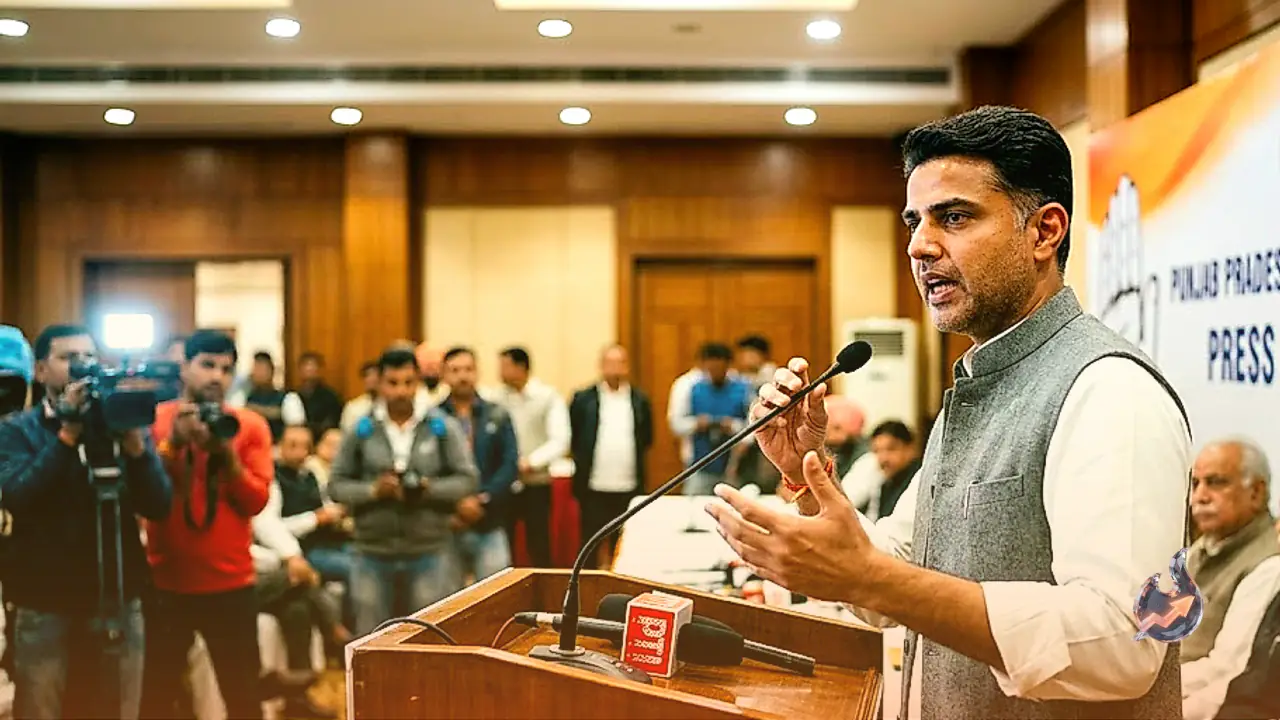
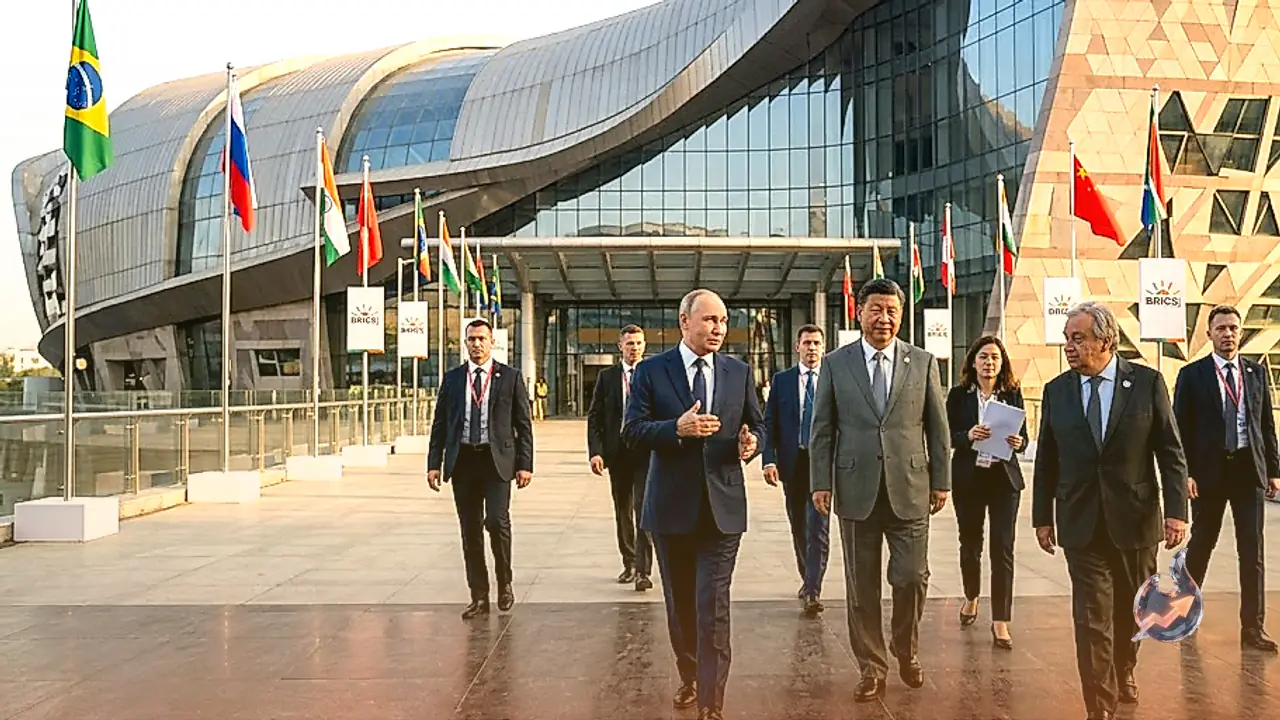

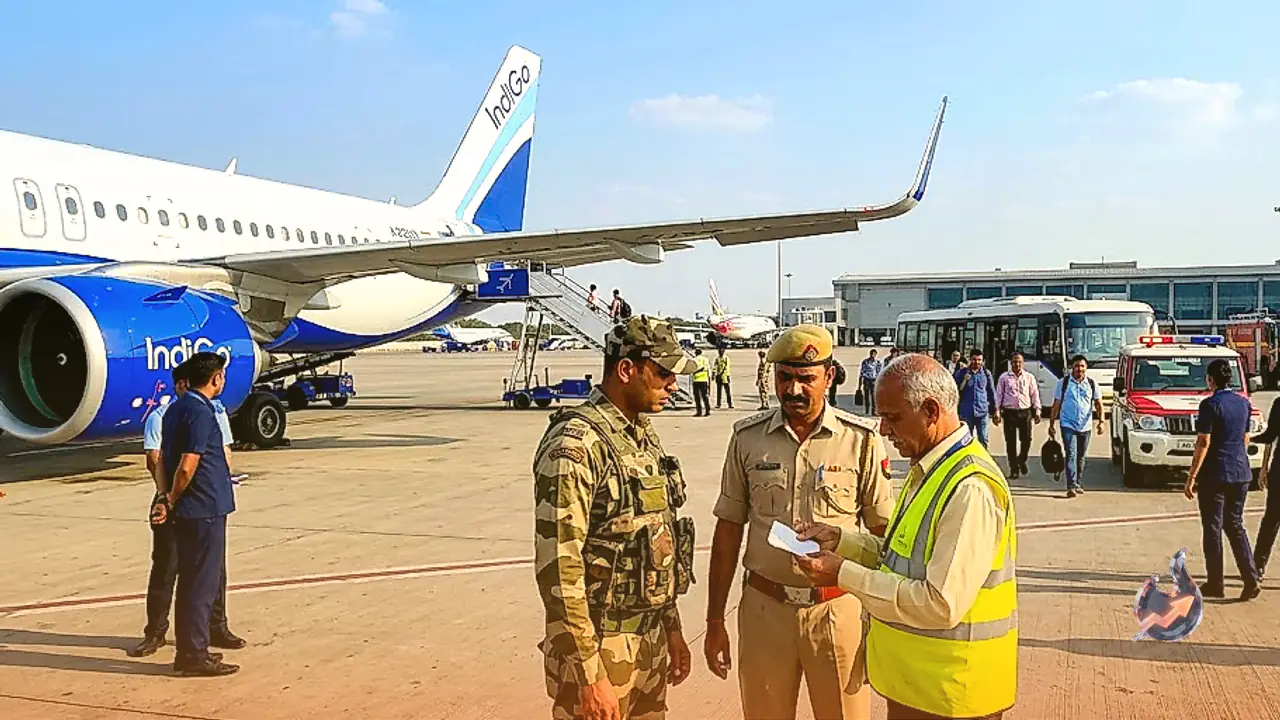
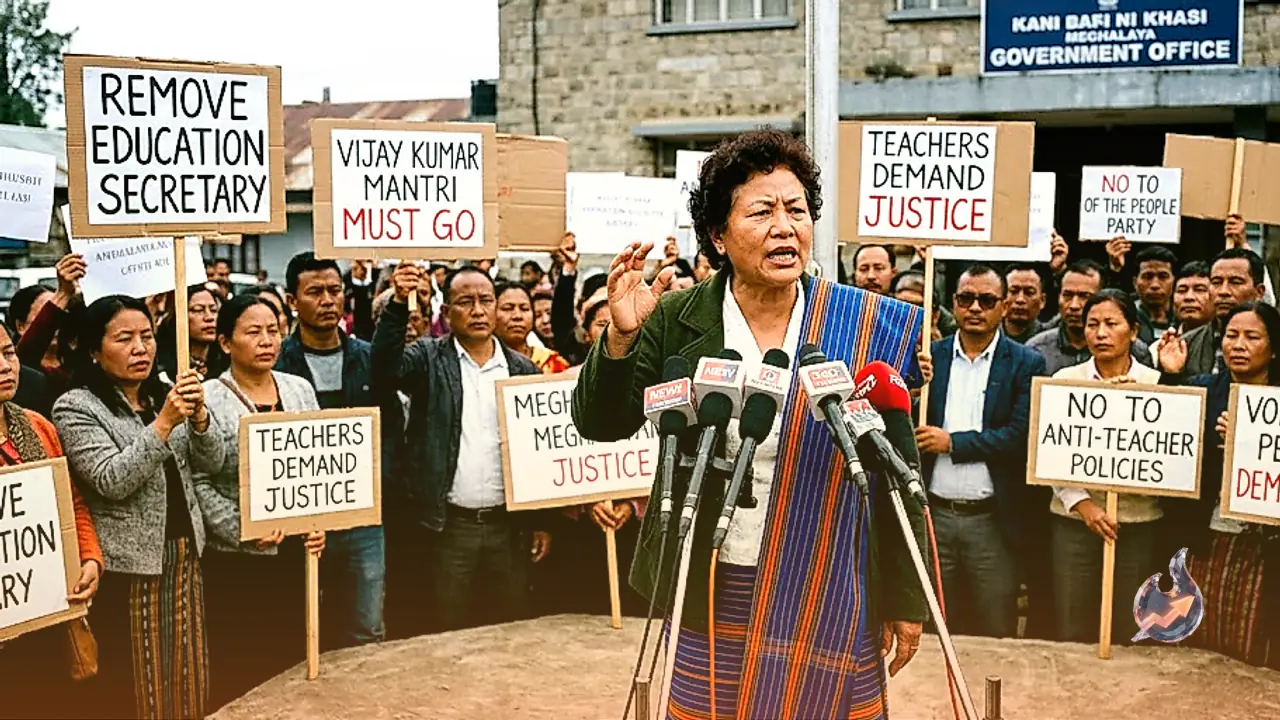
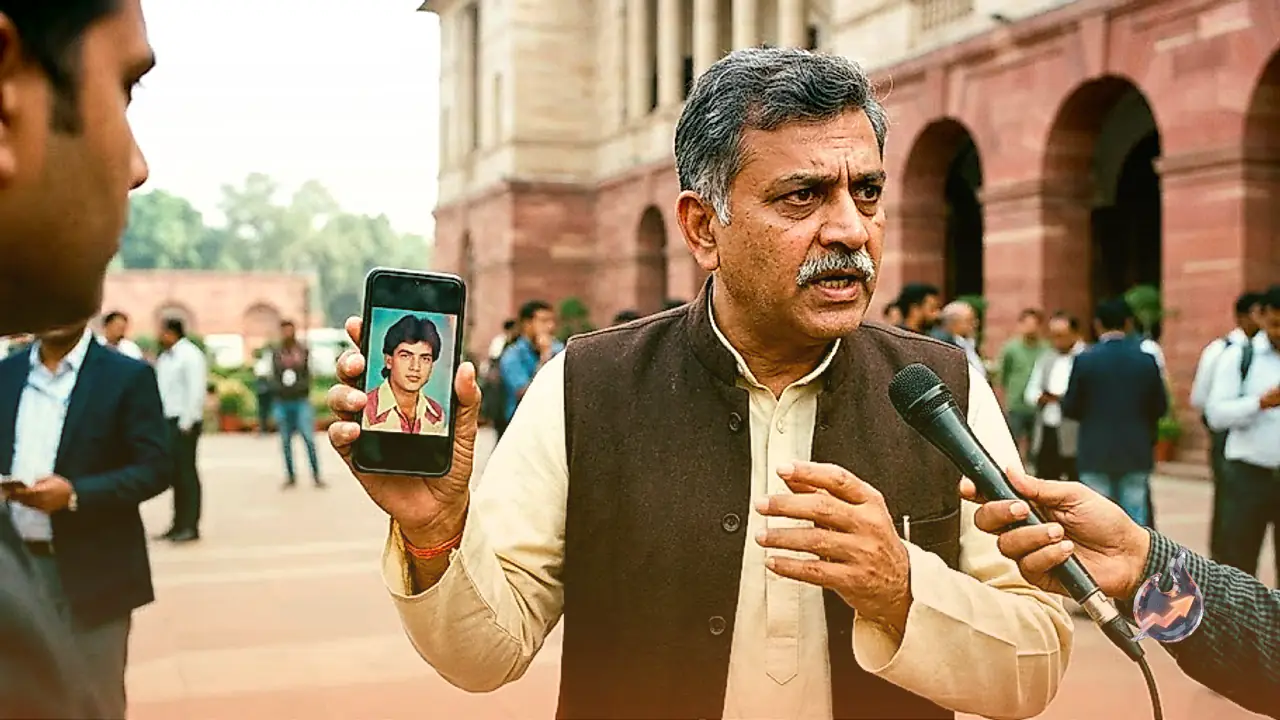














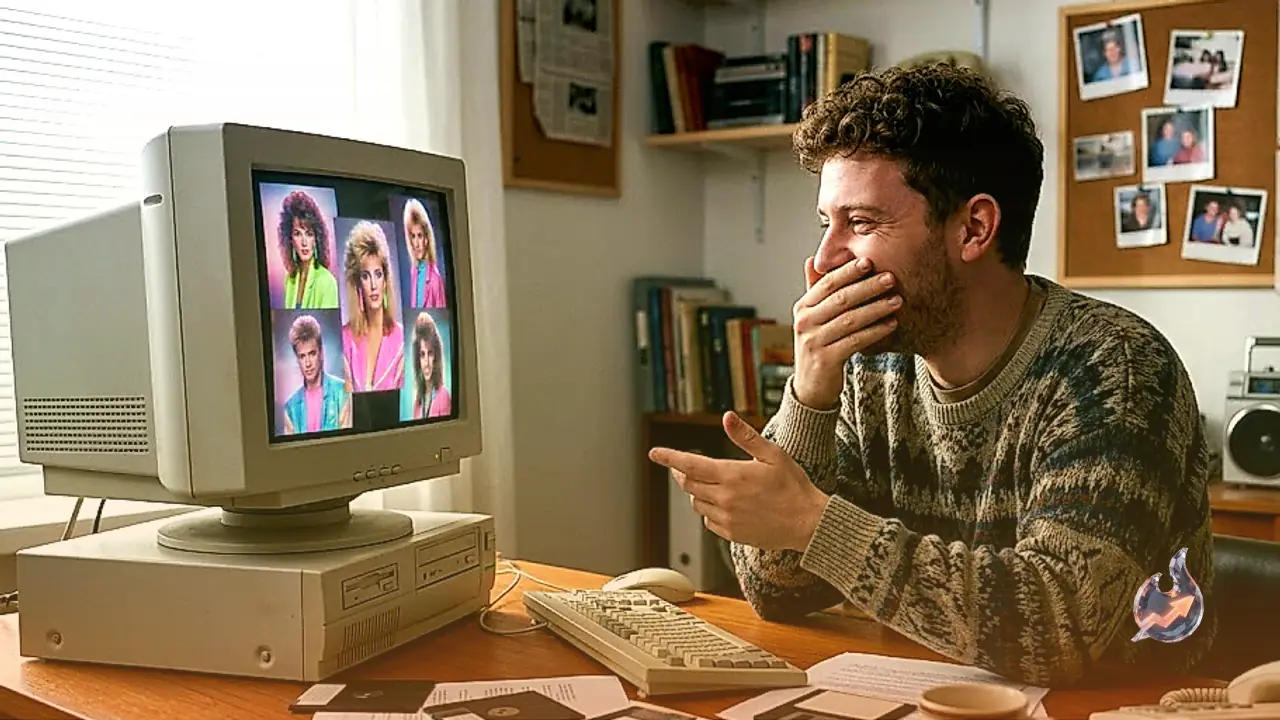

A distinct visual trend has been rapidly sweeping across social media platforms, with countless individuals transforming their portraits into nostalgic throwbacks. Thick hair, printed shirts, denim jeans, broad-bordered sarees, and vintage backgrounds featuring Ambassador cars or old cinema posters dominate feeds everywhere. From prominent political figures like Piyush Goyal and Rahul Gandhi to actors such as Kiara Advani, alongside ordinary neighbors, friends, and relatives, the participants joining this phenomenon are multiplying by the day.
The Origins of the 1980s AI Trend
The journey began around March 2023 when fresh updates were integrated into the image-generation AI utility Midjourney. Users leveraged these upgrades to craft artificial imagery reminiscent of the 1990s for the very first time. A specific sequence depicting a couple resting on a rooftop in Beijing gained massive traction online. Although those outputs resembled authentic photographs, the craze remained largely confined within China. By September 2026, a parallel wave entered India through ChatGPT, enabling individuals to convert their genuine pictures into vintage portraits echoing 1980s aesthetics. The surrounding environment, lighting, wardrobe, and hairstyles mirror classic Bollywood films of that era while retaining the person's original facial structure. The phenomenon scaled swiftly across Instagram via the Add Yours sticker and Reels, capturing the interest of celebrities and everyday users alike.
Why This Aesthetic Wave Is Spreading Rapidly
Participating in the craze requires minimal effort, as users simply feed a personal photograph alongside a specific instruction or prompt into AI utilities like ChatGPT. The system instantly generates outputs resembling antique family portraits, Bollywood studio setups, wedding memorabilia, or vintage magazine layouts. Beneath this simplicity lie three fundamental psychological drivers. First, Gen Z exhibits a strong yearning for a historical period preceding their existence. According to psychologist Clay Routledge, who investigates nostalgia and life meaning, nearly two-thirds of young individuals gravitate toward eras they never directly experienced. This historical nostalgia elevates feelings of purpose, social connection, and hope among the younger demographic.
Nostalgia, Social Connection, and the Appeal of the Past
A second driving force involves the yearning for a more interconnected and cohesive society. Similar to traditional vinyl records, these generated images evoke the perception that past generations invested more quality time in interpersonal relationships compared to the present. Sociologist Jyoti S. Nair notes that escalating loneliness drives individuals toward this aesthetic, as it carries an intrinsic sense of community and warmth from an era perceived as more sensitive. Furthermore, consultant psychologist Dr Mini K. Paul explains that past decades featured fewer responsibilities alongside more comforting experiences, triggering feelings of security and happiness. This psychological tendency is known as Rosy Retrospection Bias, where individuals selectively recall pleasant memories while filtering out hardships. Psychiatrist Arun B. Nair adds that individuals aged 35 to 50 frequently share these nostalgic assets on social media as a temporary escape from contemporary pressures related to employment, finance, and education.
Step-by-Step Guide to Generating Your 1980s Portrait
Creating a personalized vintage portrait involves uploading a clear personal image to conversational AI platforms such as ChatGPT, Gemini, or Grok. Users then input a straightforward directive in Hindi or English, such as requesting the system to transform the upload into the viral 1980s style. The resulting image is rendered within seconds, ready for downloading and sharing across preferred channels. For highly specific outputs, users can apply detailed descriptive prompts. An effective instruction template involves directing the tool to convert the photograph into an authentic 1980s studio portrait while preserving facial features, skin tone, and natural identity unchanged. The style should incorporate voluminous vintage hair, retro attire, structured silhouettes, and soft mid-century studio backlighting to emulate an analogue photographic finish.
Data Privacy Risks and What Happens to Uploaded Photos
Uploading personal imagery to artificial intelligence platforms sets off several data-level actions. Submitted pictures are frequently utilized to train machine learning models. According to the usage guidelines maintained by ChatGPT parent organization OpenAI, user-provided text and image inputs can be leveraged for model refinement. Visual assets provide significantly more value to developers than textual data by supplying intricate facial geometry, identification markers, and dimensional metrics. Once a photograph is submitted, it persists within the active chat session until manually erased by the user. Alongside the visual file, supplementary metadata including device IP addresses, geographic locations, personal habits, professions, and distinct physical traits are systematically recorded.
Even after clearing active chat sessions, residual information may persist on corporate servers for up to 30 days, or longer if required for legal and security compliance. Cybersecurity specialists have consistently issued warnings regarding the vulnerabilities tied to viral photo challenges. Tarun Pathak, Research Director at market research firm Counterpoint Research, emphasizes that viral social trends function as a data goldmine for AI developers hungry for training inputs. Because participants willingly surrender biometric facial markers which cannot be altered like compromised passwords, these challenges routinely bypass standard data protection frameworks. Additional visible details in the background, such as vehicle license plates or residential addresses, further compound privacy exposure risks, leaving data vulnerable to commercial analytics entities.