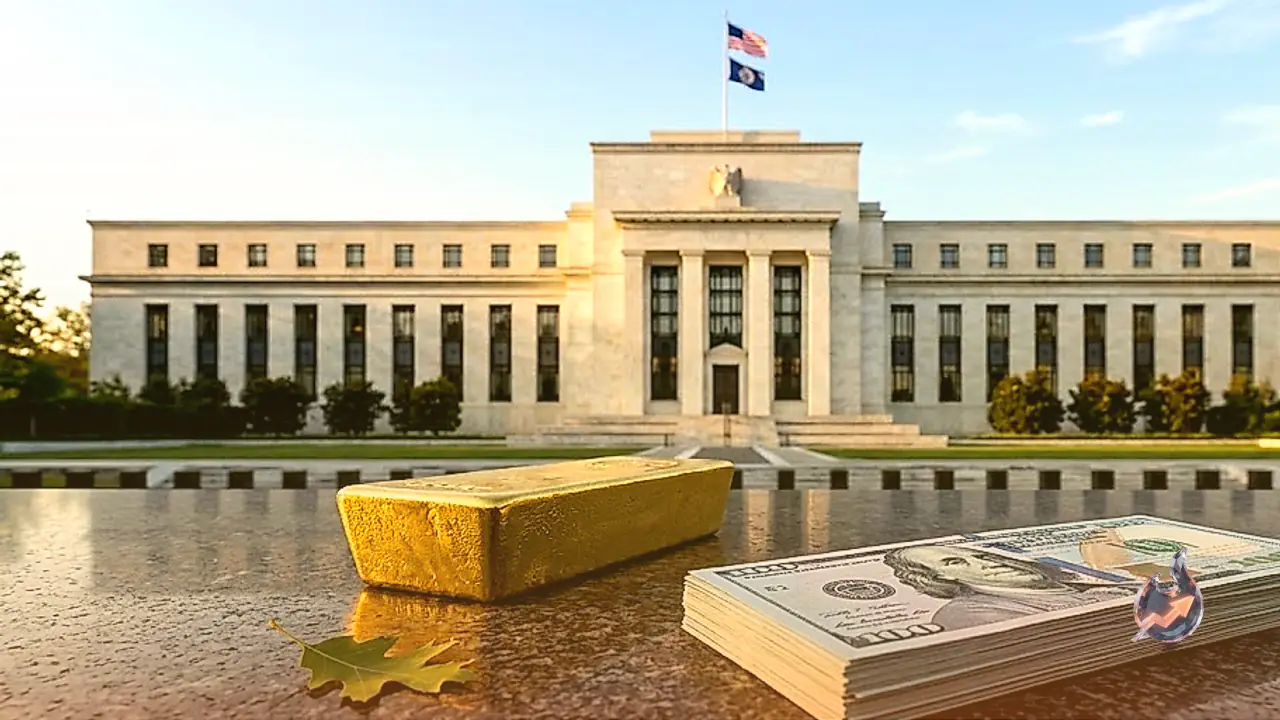























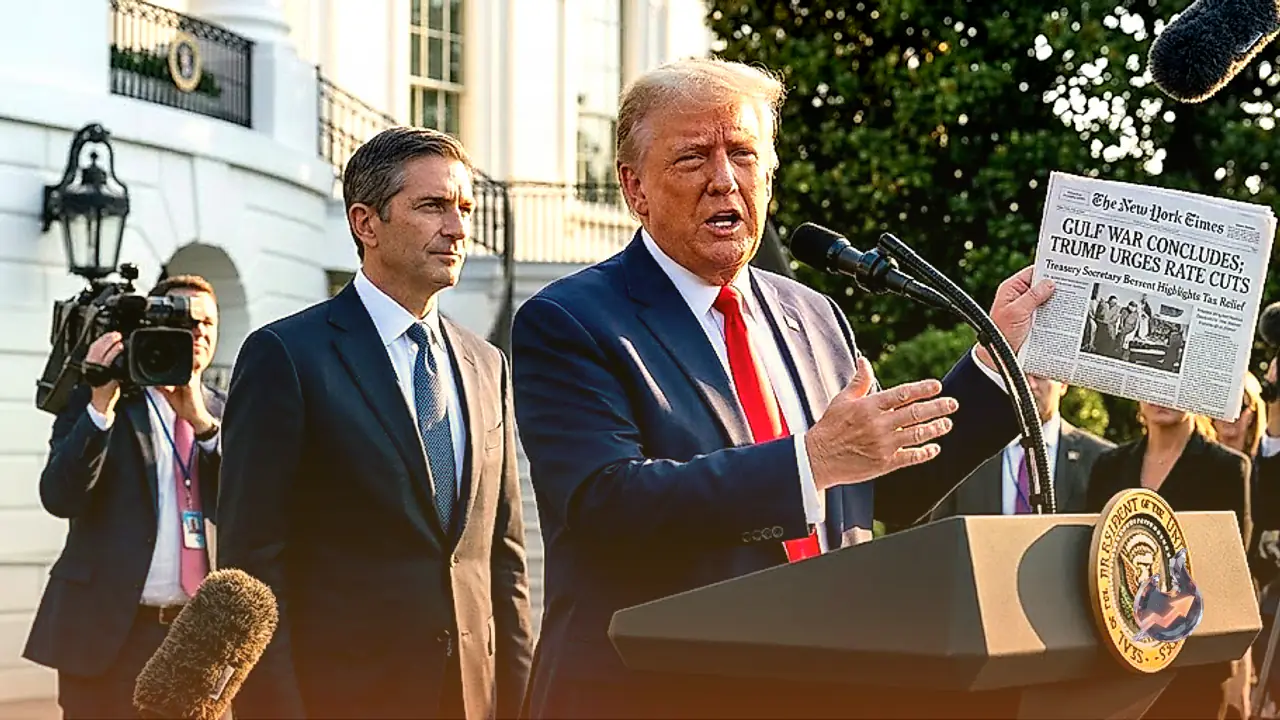

Late in the North American trading hours, Donald Trump pointed to a recent positive inflation report, noting that costs were rapidly decreasing and that consumer prices should drop significantly once the Gulf War comes to an end. Meanwhile, US Treasury Secretary Bessent described the administration tax cuts as meaningful relief for hardworking American families, particularly those in low- and middle-income brackets. Monetary policy in the United States is managed by the Federal Reserve, which operates under a dual mandate to maintain price stability and promote maximum employment. To achieve these objectives, the central bank relies primarily on adjusting interest rates. When inflation climbs too quickly above the 2% target, the Fed raises borrowing costs throughout the broader economy. This dynamic typically strengthens the US Dollar, making the country a more lucrative destination for international capital. Conversely, if inflation dips below the 2% threshold or unemployment spikes, the central bank may reduce interest rates to stimulate borrowing and economic activity, which tends to weigh on the greenback.
FOMC Structure and Extraordinary Monetary Tools
The Federal Open Market Committee schedules eight policy meetings annually to evaluate prevailing economic conditions and determine the path of monetary policy. Twelve officials participate in these deliberations, comprising the seven members of the Board of Governors, the leader of the Federal Reserve Bank of New York, and four regional Reserve Bank presidents serving on a rotating annual basis. During severe economic crises, the central bank can deploy quantitative easing to inject credit liquidity into a constrained financial system. This non-standard measure was notably utilized during the 2008 financial crisis and involves printing additional currency to purchase high-grade bonds from financial institutions, an action that generally weakens the currency. Quantitative tightening represents the reverse mechanism, wherein the central bank halts bond purchases and ceases reinvesting maturing principal amounts, a policy shift that usually bolsters the strength of the US Dollar.
Currency Markets and Major Pair Movements
The GBP/USD pair retreated below the 1.3300 threshold on Monday, touching multiple-week lows as it stepped away from previous gains. Declining crude oil prices following a pause in Middle East hostilities, combined with soft inflation readings out of the UK, weighed against expectations of monetary tightening ahead of the upcoming central bank event. In a similar fashion, the EUR/USD pair drifted back toward the 1.1370 zone after fading its initial push past the 1.1400 handle. Despite this downward drift, the pair managed to halt a two-day losing streak amid indecisive price action in the dollar as traders monitored developments in the Middle East alongside the upcoming release of the US Consumer Confidence index from the Conference Board.