
























United States employment figures delivered a notable positive surprise ahead of critical inflation releases, shifting market expectations across global financial sectors. According to the Bureau of Labor Statistics, the country added 162K new jobs during the month, significantly outperforming the anticipated 56K figure. Meanwhile, the unemployment rate held steady at 4.1% in line with market forecasts. Annual wage inflation, measured by average hourly earnings, eased slightly from 3.2% to 3.1%. These upbeat numbers provided immediate underlying support to the US Dollar following a brief period of uncertainty.
Federal Reserve Perspectives and Inflation Pressures
Central bank officials continue to weigh upcoming economic data before finalizing their monetary policy path for the upcoming meeting. Federal Reserve Governor Christopher Waller recently cooled expectations for a September rate hike by noting that officials could comfortably wait for another meeting as long as upcoming inflation indicators present no major surprises. He further emphasized that a standard 25 basis point increase alone would not instantly return inflation back to the desired 2% target. The Bureau of Labor Statistics is scheduled to publish both the Consumer Price Index and Producer Price Index for August, which will serve as vital gauges for policymakers.
Geopolitical Tensions and Global Cost Pressures
Multiple macroeconomic factors continue to compel central banks worldwide toward tighter monetary policies. Energy prices have experienced renewed upward momentum amid ongoing conflicts and tensions in the Middle East, particularly after hostilities between the United States and Iran resumed in late August. Furthermore, purchasing managers' indexes across manufacturing and services sectors indicate that businesses continue to absorb higher input costs. This persistent inflationary environment has kept speculative interest aligned with expectations of further rate increases despite occasional political pushback.
Political Pressure From Donald Trump
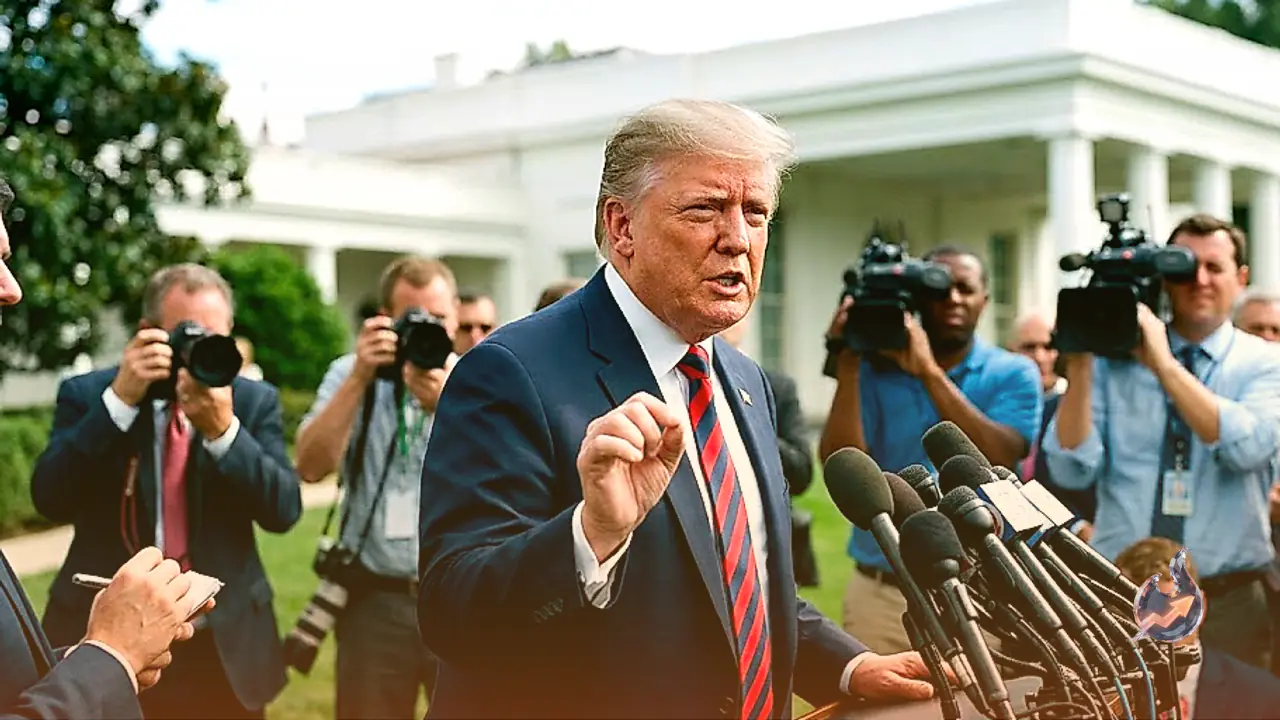
Amid ongoing economic debates, high-profile political figures have renewed calls for aggressive monetary easing. Towards the end of the week, Donald Trump took to Truth Social to demand immediate interest rate cuts, arguing that high borrowing costs place the domestic economy at an unfair disadvantage. He publicly criticized the Federal Reserve leadership and threatened to restrict trade partnerships with nations maintaining higher rate regimes, intensifying the ongoing debate surrounding central bank independence and economic strategy.
Technical Outlook and Price Action
Technical indicators on the daily chart reveal that the EUR/USD pair trades near the 1.16 level with a neutral to slightly bullish bias as consolidation continues around key moving averages. The pair maintains its position above the 20-day Simple Moving Average at 1.1608 and the 100-day Simple Moving Average at 1.1564, which act as immediate structural supports. However, upward momentum remains capped by the 200-day Simple Moving Average at 1.1634. The 14-day Relative Strength Index hovers around 56, reflecting a balanced yet cautious stance among market participants.