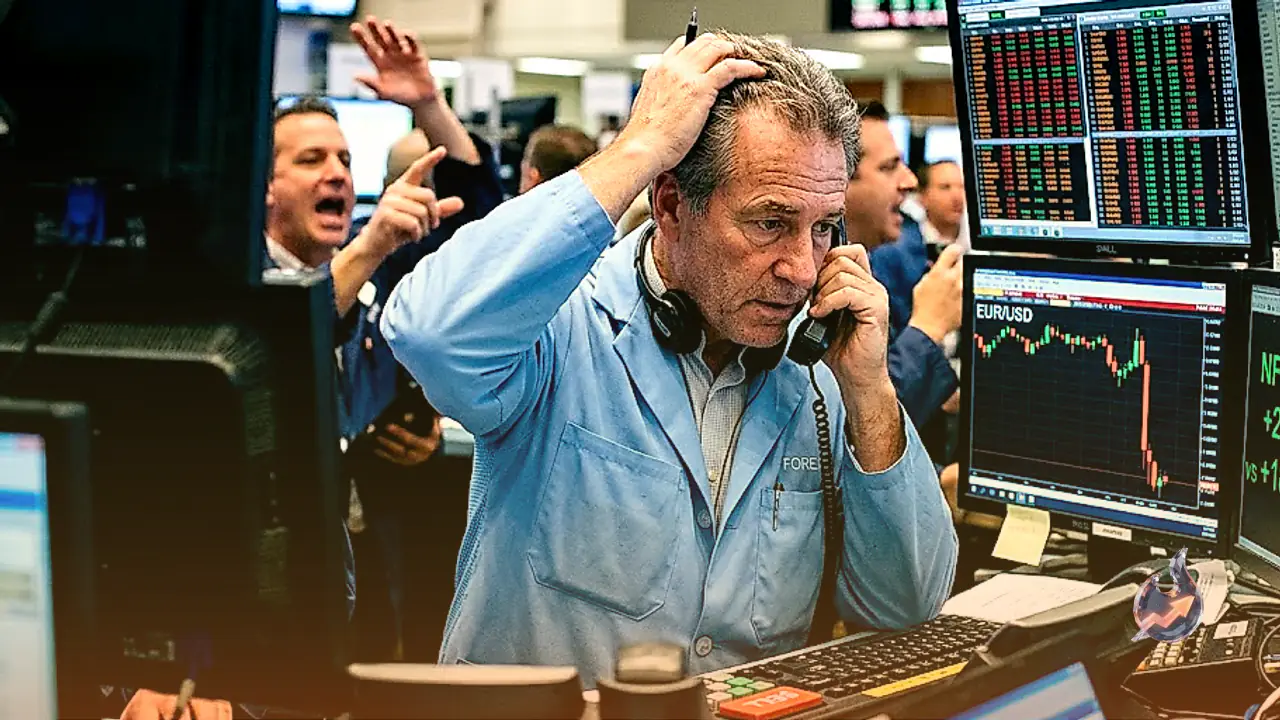
























Employment in the United States recorded a strong expansion in August as the number of available jobs rose by 162,000. The unemployment rate held steady at 4.1%, indicating that the broader economy continues operating at full employment. Overall, the latest labor report surpassed prior market expectations by a significant margin.
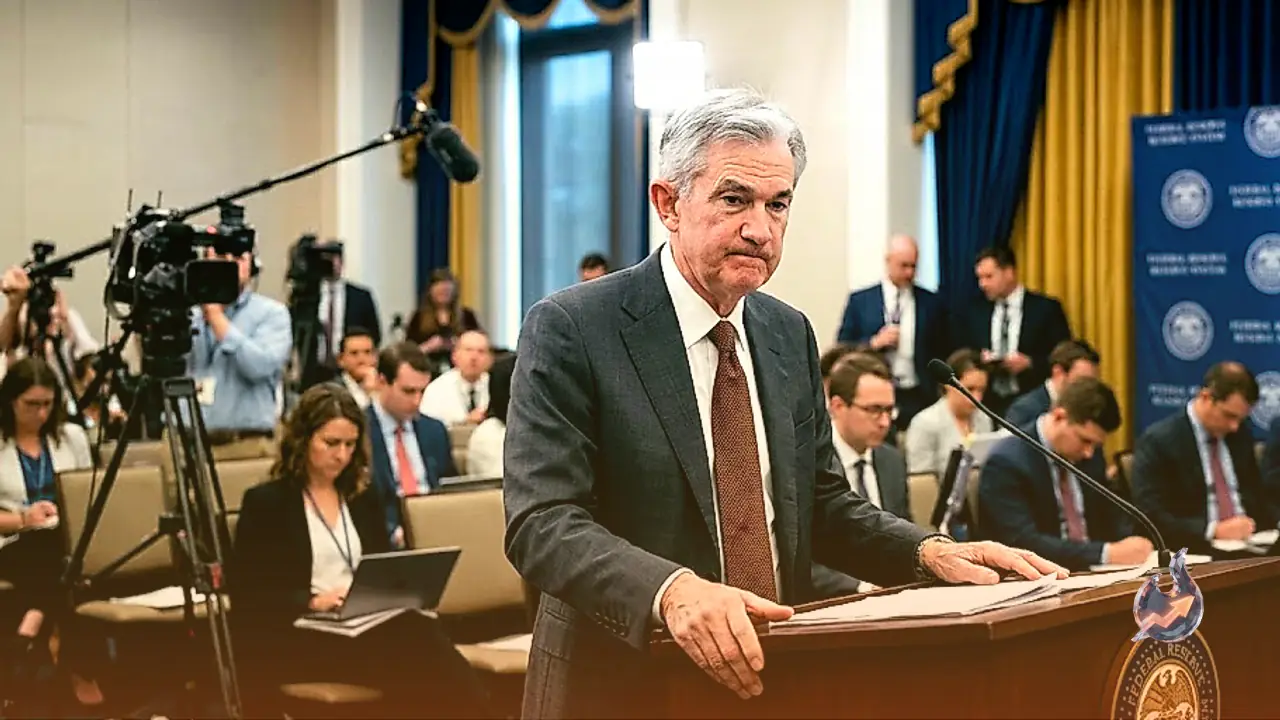
From the Federal Reserve's perspective, however, consumer price trends are likely to carry more weight in determining whether interest rates will be adjusted during the upcoming meeting on September 16. The inflation figures for August are scheduled for release next Friday, providing critical direction for monetary policymakers.
The August employment increase of 162,000 jobs came in stronger than anticipated, contrasting sharply with the consensus estimate of 55,000 and the Commerzbank forecast of 50,000. Furthermore, employment figures for preceding months underwent upward revisions totaling 55,000 jobs. For instance, the July job count did not decline by 23,000 as initially reported, but instead posted a gain of 21,000.
These revisions highlight the fundamentally solid shape of the labor market. The underlying trend in employment growth, measured by the six-month moving average, points upward once again. Moreover, the current unemployment rate sits roughly around the threshold typically associated with full employment conditions in the United States.
Currency markets reflected notable shifts as well during the Friday Asian session. The USD/JPY pair retested its August monthly swing low as a more hawkish repricing of Bank of Japan rate-hike expectations and suspected official intervention continued to underpin the Japanese Yen. Simultaneously, the US Dollar consolidated previous losses amid soft US bond yields, keeping pressure on the currency pair as traders awaited the critical US Nonfarm Payrolls report.
In other currency trading, the AUD/USD pair held steady above 0.7200 near its highest level since mid-May. Market bulls awaited the US NFP report for clearer signals regarding the Federal Reserve policy path before placing fresh commitments. Meanwhile, the decline in US bond yields kept the US Dollar depressed near a one-week low, serving as a tailwind for the Australian currency amid the Reserve Bank of Australia's hawkish stance.
Gold prices experienced a sharp drop on Friday, abruptly ending a two-day recovery following the stronger-than-expected US Nonfarm Payrolls release. The precious metal had briefly climbed above $4,500 on Thursday with a nearly 2% gain, but has since surrendered a large portion of that advance. The Japanese Yen also experienced a sudden upward surge after slipping below the 160.00 psychological threshold against the US Dollar earlier in the week.
Energy markets presented a divergent picture, particularly within the petroleum sector. While the broader crude oil market appeared calmer than in previous months, diesel prices delivered a striking signal. The US diesel crack spread, representing the premium of ultra-low sulphur diesel futures over WTI, recently surged past $100 per barrel for the first time, notching an intraday record just above $102.00.