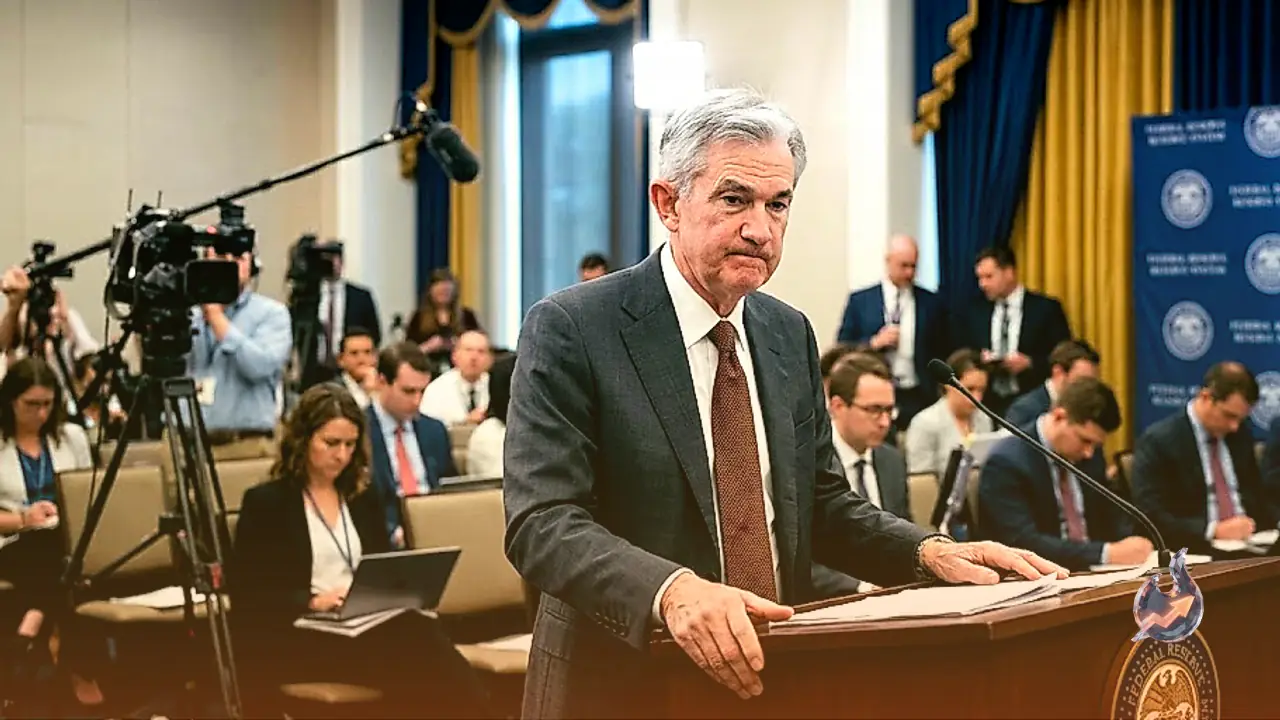
























The British Pound has managed to recover a portion of its post-NFP losses as the US Dollar trimmed its initial robust gains following the release of critical employment data. Market participants are recalibrating their expectations as strong labor market indicators pave the way for shifting monetary policy bets, with attention now firmly pivoting toward upcoming consumer and producer inflation metrics to determine the trajectory of future central bank actions.
Robust Employment Numbers Drive Expectations
US Nonfarm Payrolls surged by 162K in August, outperforming market expectations of 56K by nearly threefold. July’s figures underwent a revision to show a gain of 21K, shifting away from the previously reported decline of 23K, while the Unemployment Rate held steady at 4.1%. These robust labor statistics have significantly elevated market expectations for a potential rate hike by the Federal Reserve during the upcoming September 15-16 policy meeting.
Currency Index and Broader Market Movements
The US Dollar Index, which measures the Greenback against a basket of six major trading currencies, is currently hovering around 99.11 after spiking as high as 99.39 in immediate reaction to the employment report. Despite retreating from those session highs, the index continues to hold comfortably above the one-week low of 98.83 touched on Thursday. Meanwhile, other currency pairs such as USD/JPY and AUD/USD experience their own distinct pressures amid shifting central bank dynamics in Japan and Australia.
Inflation Trends and Central Bank Mandates
Recent inflation metrics have demonstrated signs of moderation, prompting commentary from policy officials. Federal Reserve Governor Christopher Waller noted that he is finally observing indications of disinflation and believes the current interest rate setting could steer inflation back toward the central bank's 2% target. However, Waller cautioned that he would actively consider a September rate hike should the incoming August inflation readings come in stronger than anticipated. The Federal Reserve operates under a dual mandate to achieve price stability and foster full employment.
Monetary Tools and Balance Sheet Dynamics
During extreme economic dislocations, the Federal Reserve retains non-standard policy tools such as Quantitative Easing, a process where the central bank significantly expands credit flow by purchasing high-grade bonds from financial institutions using newly issued currency. This mechanism was prominently deployed during the 2008 financial crisis and typically exerts downward pressure on the US Dollar. Conversely, Quantitative Tightening represents the reverse operation, where the Fed allows maturing bonds to roll off without reinvestment, generally supporting the valuation of the Greenback.