






















US President Donald Trump is strongly advocating for significantly lower borrowing costs, pushing back against the backdrop of stronger-than-expected US job creation. Despite positive economic indicators in the labor market, the administration is doubling down on its demand for aggressive monetary easing, arguing that the nation's financial strength justifies some of the lowest interest rates globally.
Linking Interest Rates Directly to Trade Policy
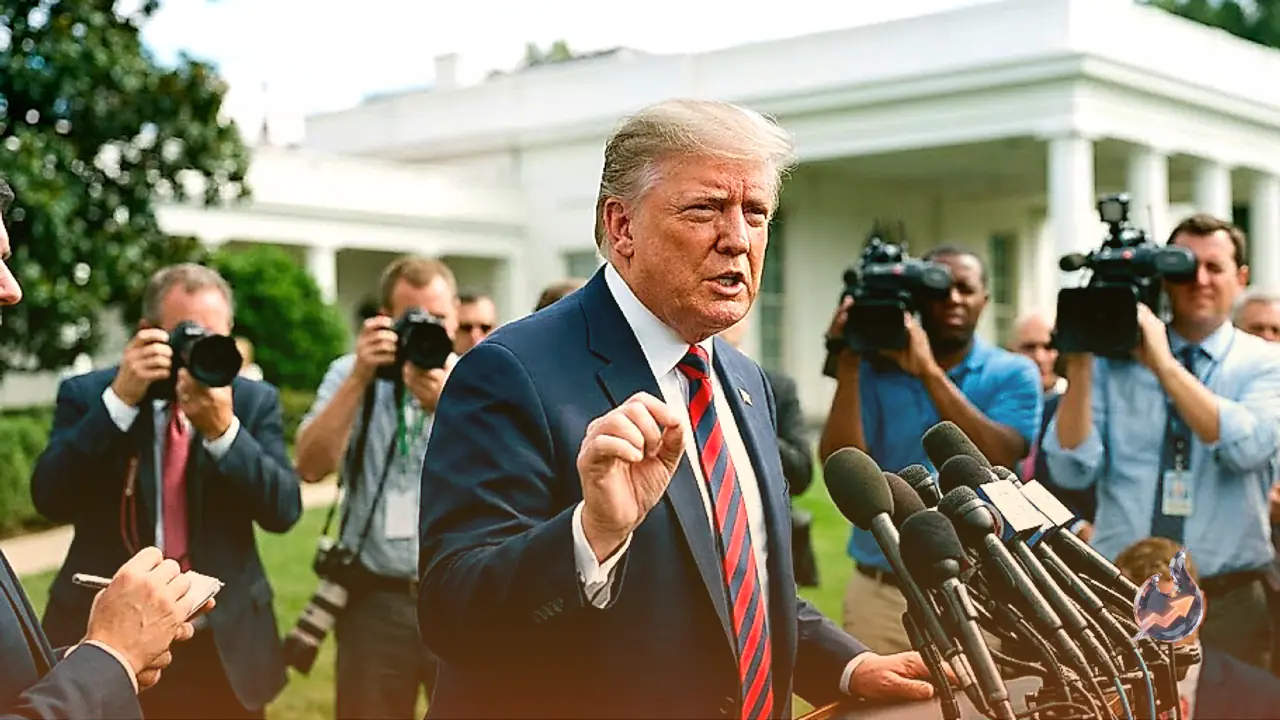
In a statement shared on Truth Social, Donald Trump acknowledged the addition of 162K jobs in August, noting that the employment figures came in well above initial projections. However, rather than easing his stance in light of the robust job growth, he escalated political pressure by tying monetary policy directly to international trade. He issued a blunt warning, stating that borrowing costs must be lowered or he will halt trade operations with nations that maintain trade surpluses with the United States.
Proposing Trade Adjustments Over Traditional Tariffs
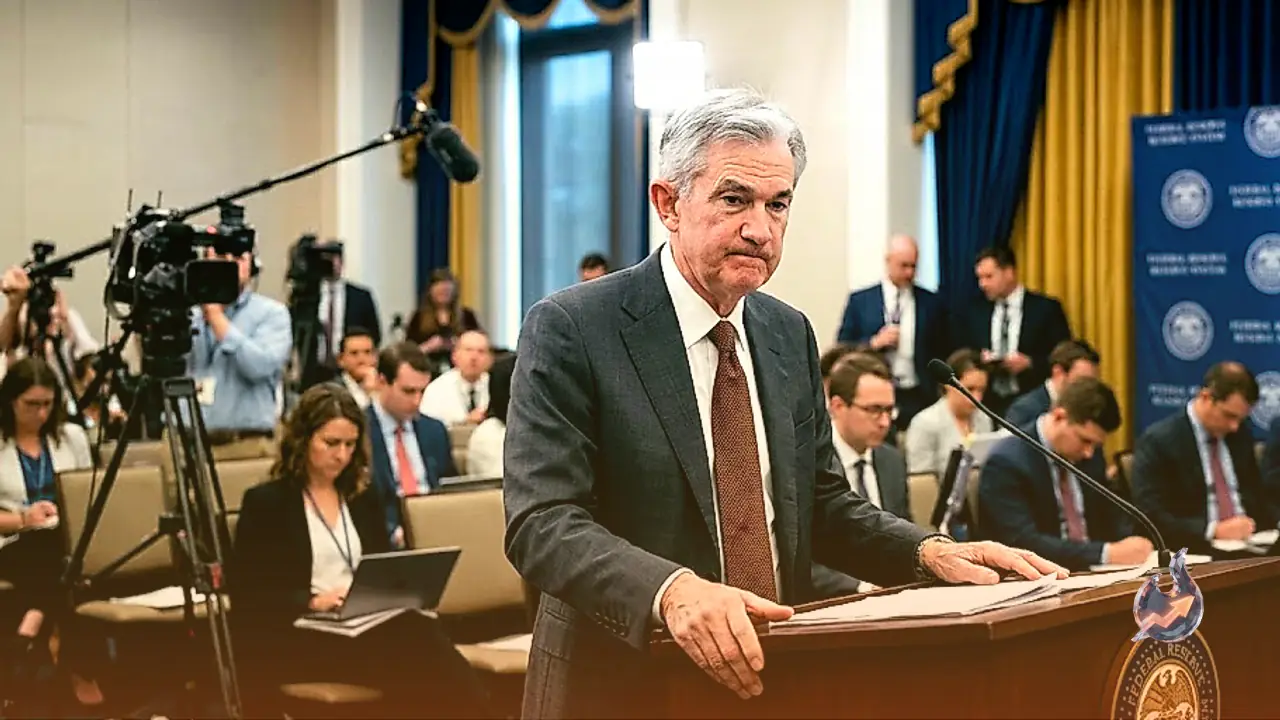
The US President positioned this hardline approach as a viable alternative to traditional tariff implementations, calling on the Fed Board, under the guidance of its newly appointed leader, to bring down interest rates. This intervention piles additional political scrutiny onto the US central bank as institutional investors and traders attempt to decipher the future trajectory of monetary policy in the wake of the latest employment metrics.
Global Market Repercussions and Currency Shifts
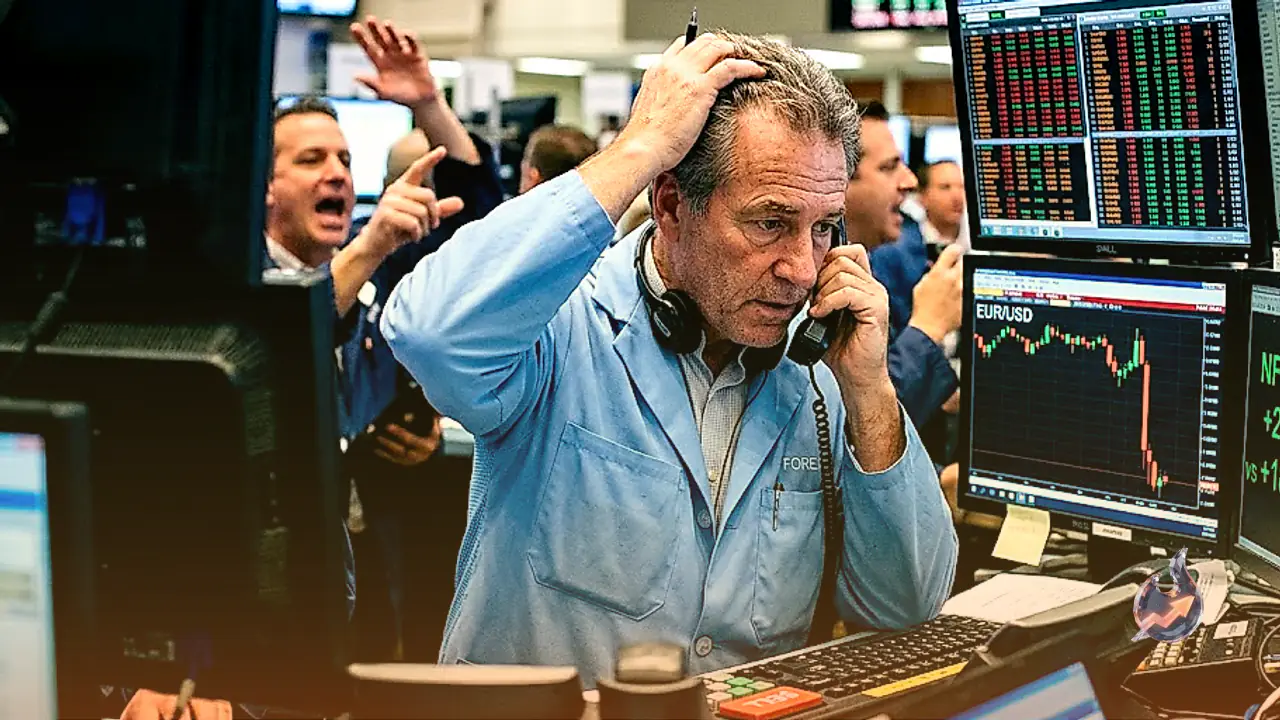
Across broader global markets, these developments coincide with notable shifts in foreign exchange and commodities. During the Asian trading session, the USD/JPY pair retested its August monthly swing low as a more hawkish repricing of Bank of Japan rate-hike expectations and suspected currency interventions continued to bolster the Japanese Yen. Meanwhile, the US Dollar faced ongoing consolidation following heavy losses, weighed down by soft US bond yields as market participants awaited key employment data.
Metals and Energy Markets React to Economic Signals
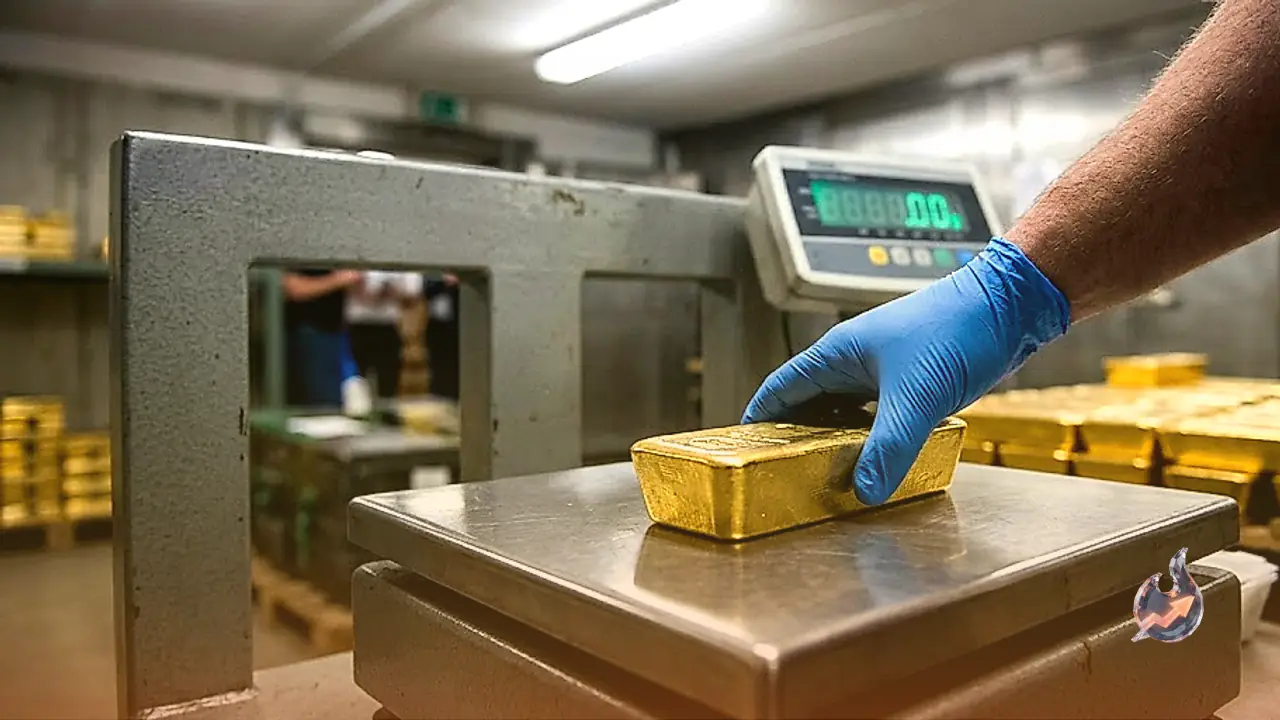
In commodities, Gold prices tumbled sharply, erasing a large part of the gains made earlier in the week when the metal briefly climbed above $4,500 following strong recovery momentum. The sudden reversal came in response to the surprisingly robust Nonfarm Payrolls report. At the same time, while broader oil markets have appeared calm, diesel markets are telling a different story, with the US diesel crack spread surging past $100 per barrel to hit an intraday record high near $102.00.