





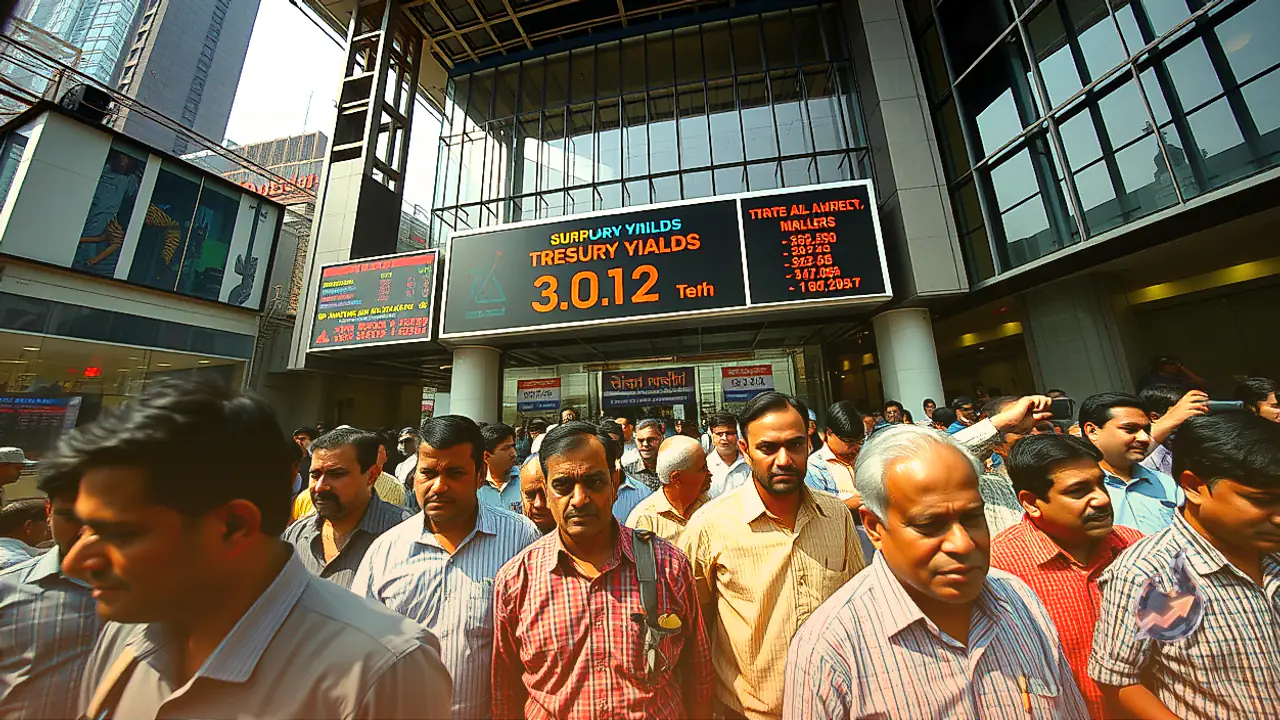



















Global equity markets advanced firmly at the start of the week, driving major Wall Street benchmarks close to their all-time records. The Nasdaq surged to a brand-new peak while the S&P 500 ended the session a mere 0.3% below its own record high, finishing near the best levels of the day. Crucially, these stock market gains unfolded alongside another upward shift in long-term bond yields. Rather than reflecting a standard risk-seeking surge or easing inflation worries, trading patterns pointed toward a broad-based catch-up session across equities, driven largely by market segments that had remained sidelined over recent periods.
Unusual Sector Performance Drives Stock Gains
Market breadth remained distinctly positive throughout the trading session, but the sector configuration was decidedly unconventional. Outperforming groups included materials, communication services, energy, and banking counters. At the same time, defensive segments such as healthcare and consumer staples displayed solid strength. In contrast, industrials and real estate lagged behind the broader advance. This unusual dispersion confirmed that the session lacked a single directional catalyst, acting instead as a rotation that allowed previously neglected components of the equity landscape to recover lost ground.
Elevated US Yields Reinforce Dollar Strength
In fixed income markets, an extended rout has kept United States sovereign bond yields hovering near multi-year highs. These elevated borrowing benchmarks, paired with ongoing geopolitical uncertainties, provided firm backing for the US Dollar. The greenback preserved its bullish tone even as market participants dialled back expectations for an interest rate increase by the Federal Reserve in October. In currency trading, AUD/USD softened slightly during Tuesday's Asian trading, pausing a two-day recovery from the two-month low recorded in the prior week. Potential support for the Australian dollar remains tied to expectations that the Reserve Bank of Australia might deliver another rate increase this month.
Japanese Yen Retreats as Gold Defends Key Mark
The USD/JPY currency pair moved back above the 158.00 threshold during early European dealings on Tuesday. The Japanese Yen struggled to draw momentum from expectations of a hawkish Bank of Japan policy trajectory or the persistent risk of official currency intervention. Elevated Treasury yields and broader dollar demand kept the greenback hovering near its year-to-date highs, offering steady support to the currency cross. Meanwhile, gold logged moderate intraday losses leading into the European hours while managing to stay above $4,100, a two-month low tested earlier on Tuesday. Persistent dollar strength weighed on physical demand, yet shrinking bets on an October Fed hike helped curb steeper losses for the non-yielding metal.
European Political Strains and Monetary Dilemmas
With top-tier macroeconomic data releases absent from the calendar, market focus shifted toward political and economic developments in Europe alongside Middle East geopolitical tensions. In France, market watchers are closely tracking whether the Socialists and Marine Le Pen's National Rally will signal an intention to bring down the government over disputed budget legislation. Simultaneously, the European Central Bank confronts an increasingly complicated landscape. Under standard conditions, inflation tracking at almost double the target would prompt straightforward interest rate hikes. Today, however, aggressive bond market sell-offs have already generated significant monetary tightening, leaving policymakers facing a deeply challenging path ahead.