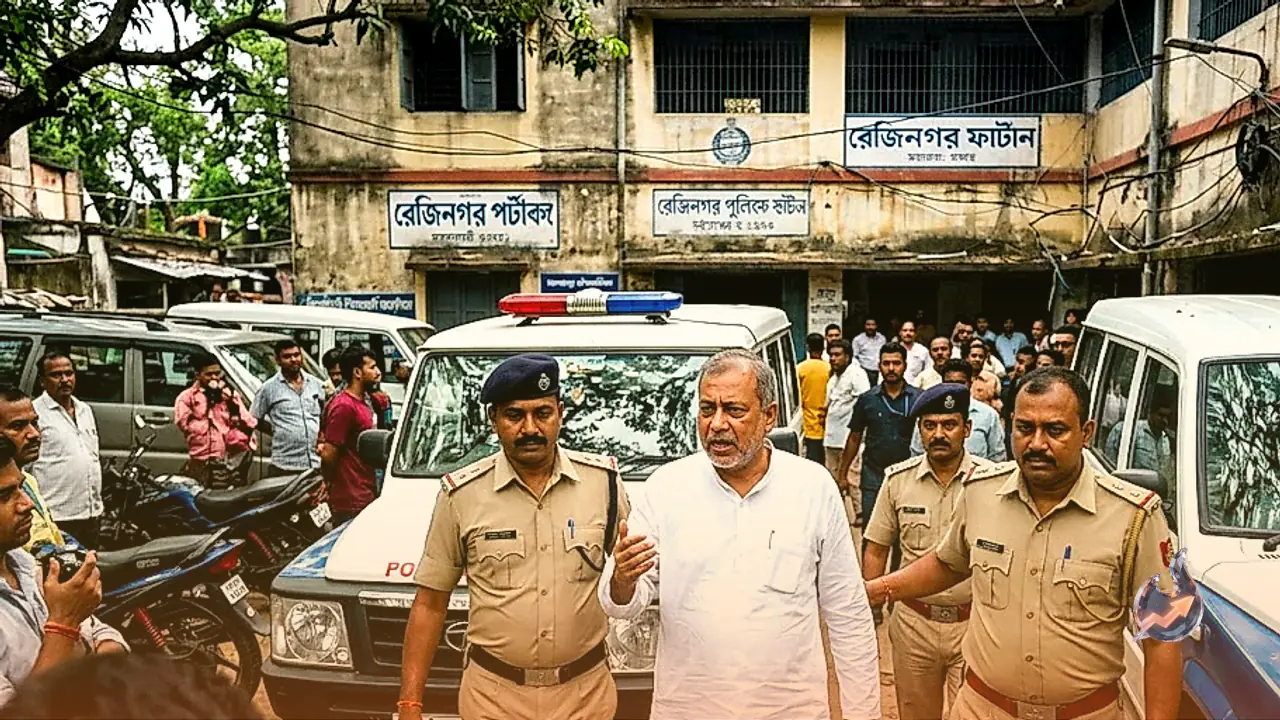







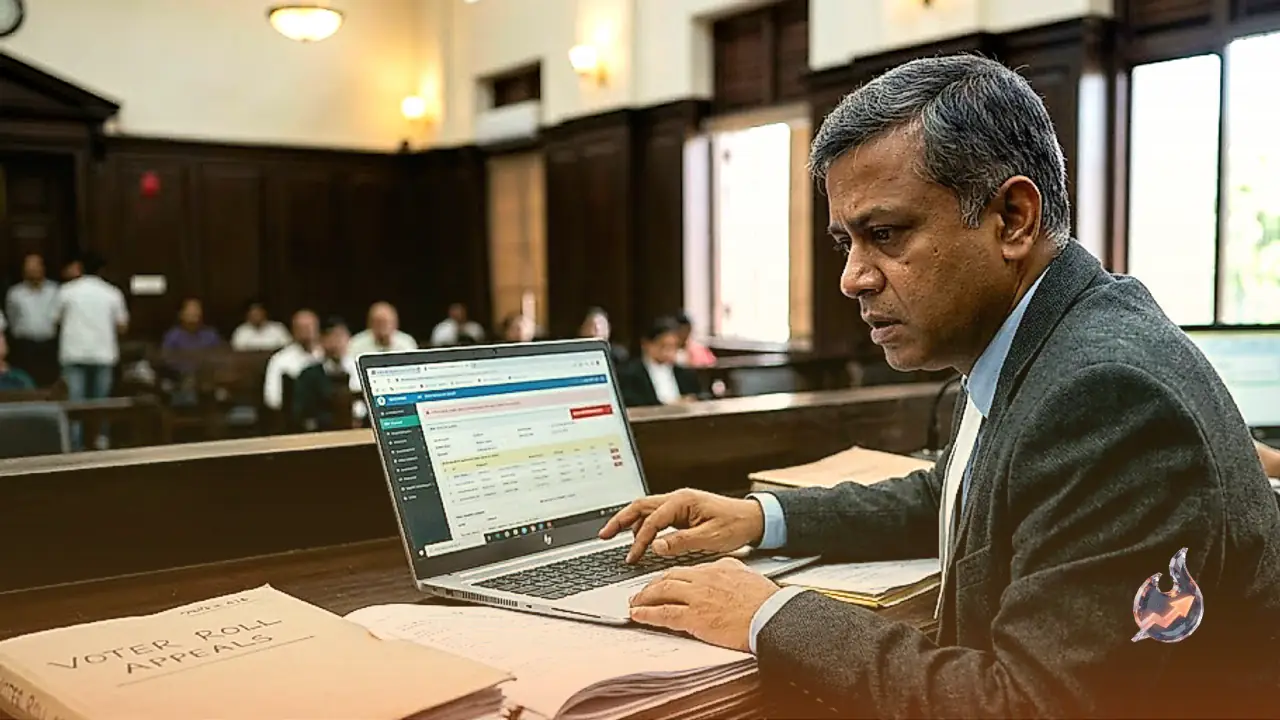















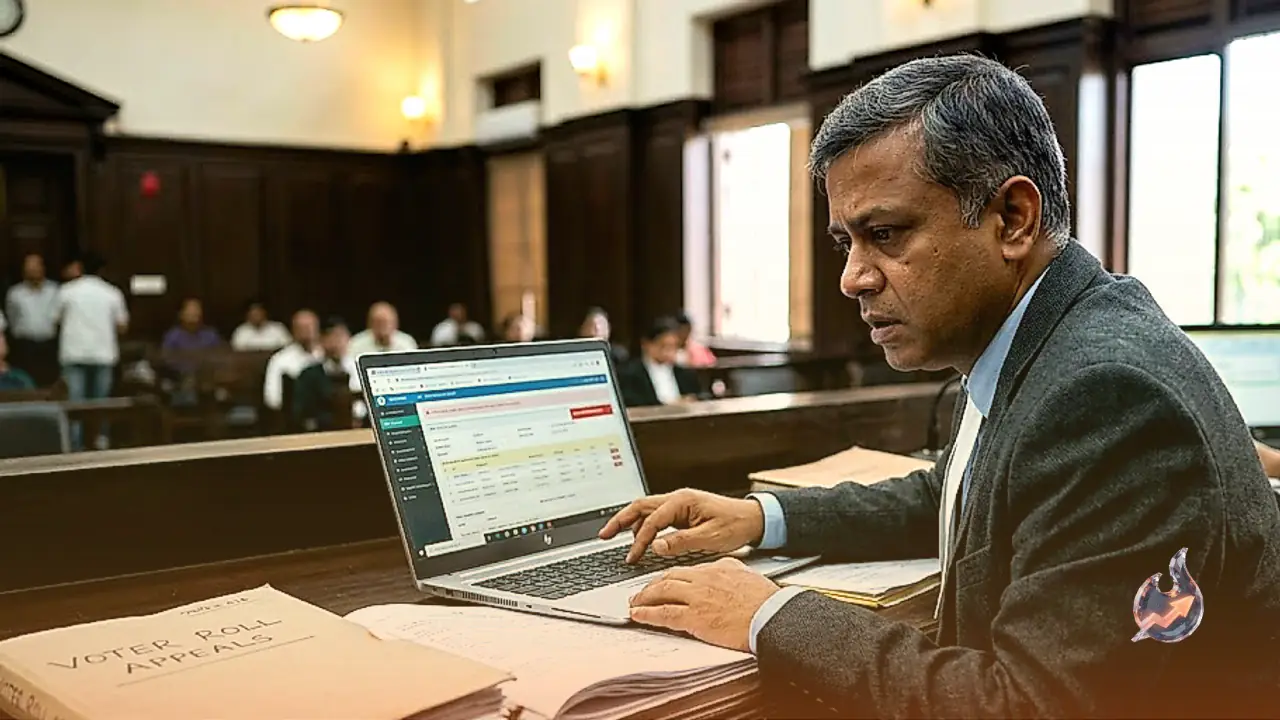

Controversies surrounding the Special Intensive Revision (SIR) exercise in West Bengal continue to escalate as tribunal judges tasked with adjudicating voter deletions have registered strong grievances against the Election Commission's dedicated digital portal. The judges highlighted critical infrastructural shortcomings in the software, pointing out that the absence of fundamental digital utilities has severely stalled the resolution of citizen appeals across the state.
Technical Deficiencies Stall Disposal of Voter Appeals
Following directives issued by the Supreme Court, these specialized judicial tribunals were established to hear grievances concerning roughly 27 lakh voters whose names were removed during the SIR process. However, presiding judges encountered severe functional hurdles during active proceedings. They pointed out that the official portal lacks basic provisions for issuing formal notices, uploading essential evidentiary documents, hosting virtual hearings, and executing court-ordered voter restorations, resulting in an acute slowdown in case processing.
Formal Minutes Submitted to Top Judicial and Poll Authorities
These systemic issues were formally recorded in the minutes of a meeting attended by 19 tribunal judges on August 11. The joint document was forwarded to both the Election Commission and the Chief Justice of the Calcutta High Court. The judges noted that despite multiple reminders, no mechanism to issue notices directly via the portal had been operationalised. Although a standardized notice format was formally cleared by certain judges in May 2026, it remained completely unintegrated into the software platform.
Procedural Gridlock in Storing Records and Restoring Names
Elaborating on day-to-day administrative struggles, the judges pointed out that whenever supplementary documentation is required from litigants, the portal offers no method for secure digital archiving. As a result, tribunals have had to communicate externally with District Magistrates and District Election Officers via email, yielding poor and irregular response rates. The platform also completely lacks an infrastructure for conduct of virtual hearings. Crucially, when an appeal is decided in favor of a citizen, the portal provides no technical avenue to reinstate the deleted voter into the electoral roll pursuant to the judicial directive, nor does it allow appellants to download authentic copies of tribunal judgments.
Concerns Over Digitization Failures and Disputed Progress Data
The judges raised red flags over the flawed processes governing the digitization of physical appeals submitted by citizens, warning that administrative delays in routing claims through proper channels would cause grave injustice to ordinary voters. As early as May, an individual judge had addressed a formal grievance letter to the Calcutta High Court Chief Justice concerning the absent notice system. The communication cautioned that procedural bottlenecks were crippling case disposal, while the poll panel was simultaneously sharing misleading figures with the media.
Supreme Court Mandate and Backlog of Over Thirty-Eight Lakh Petitions
The judicial setup originates from a Supreme Court ruling on March 10 that directed the creation of 19 tribunals overseen by retired high court judges. The Election Commission formally notified these panels on March 20. Subsequently, two judges tendered resignations citing personal circumstances, leading to fresh appointments. In an update placed before the Supreme Court on September 18, the Election Commission stated that out of 38.31 lakh appeals received, only 1.26 lakh had been disposed of by September 10. Within that massive total, 22.21 lakh claims originated specifically from deleted voters seeking reinstatement.
Political Dimensions Surrounding April Assembly Election Outcomes
The voter deletion controversy holds significant political weight in light of the April assembly elections, which saw the Bharatiya Janata Party secure a substantial majority. Trinamool Congress identified large-scale voter deletions as a key factor behind its electoral defeat. Significantly, across 49 assembly constituencies, the total number of deleted voter entries exceeded the actual victory margins of winning candidates. Among those contentious 49 seats, the Bharatiya Janata Party claimed 26 victories while Trinamool Congress won 21.