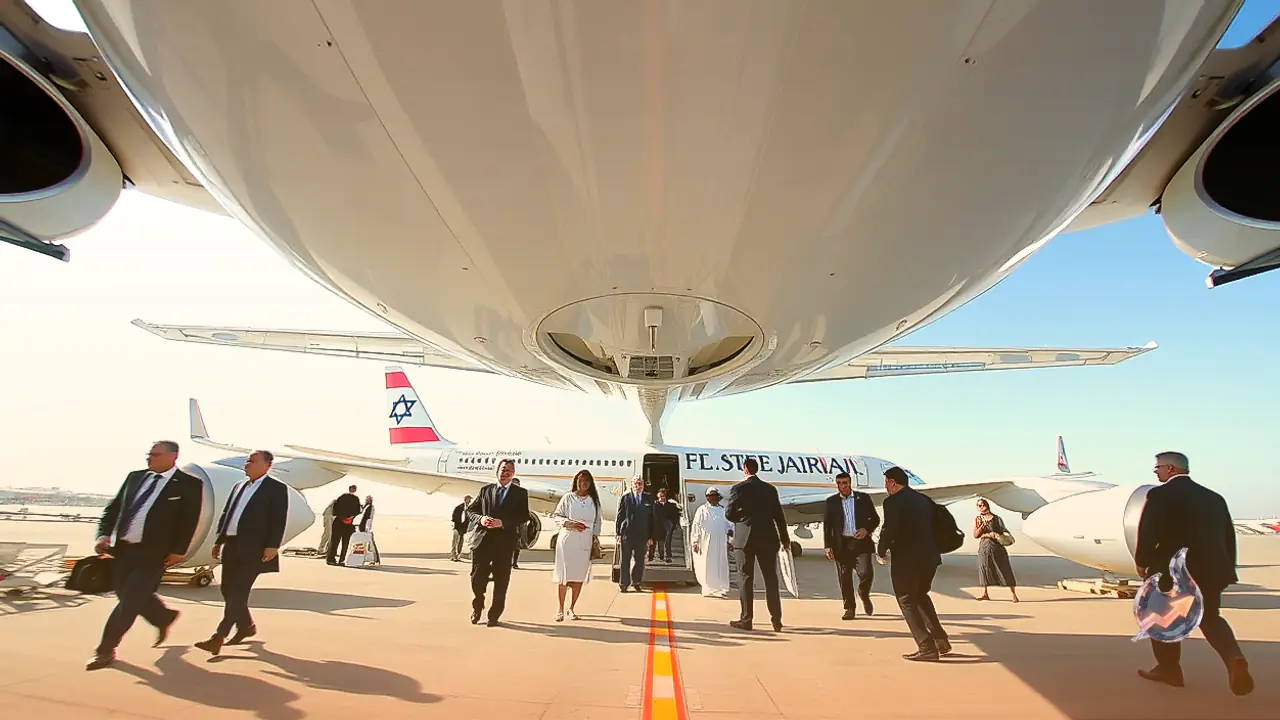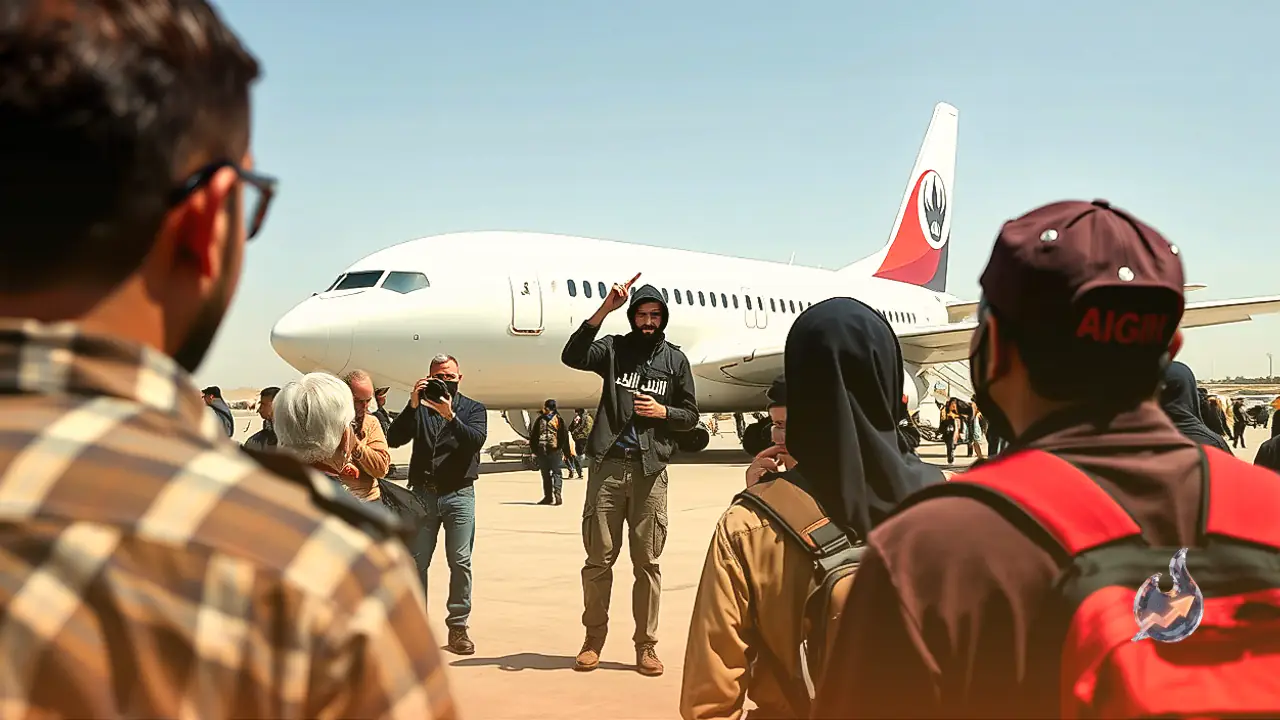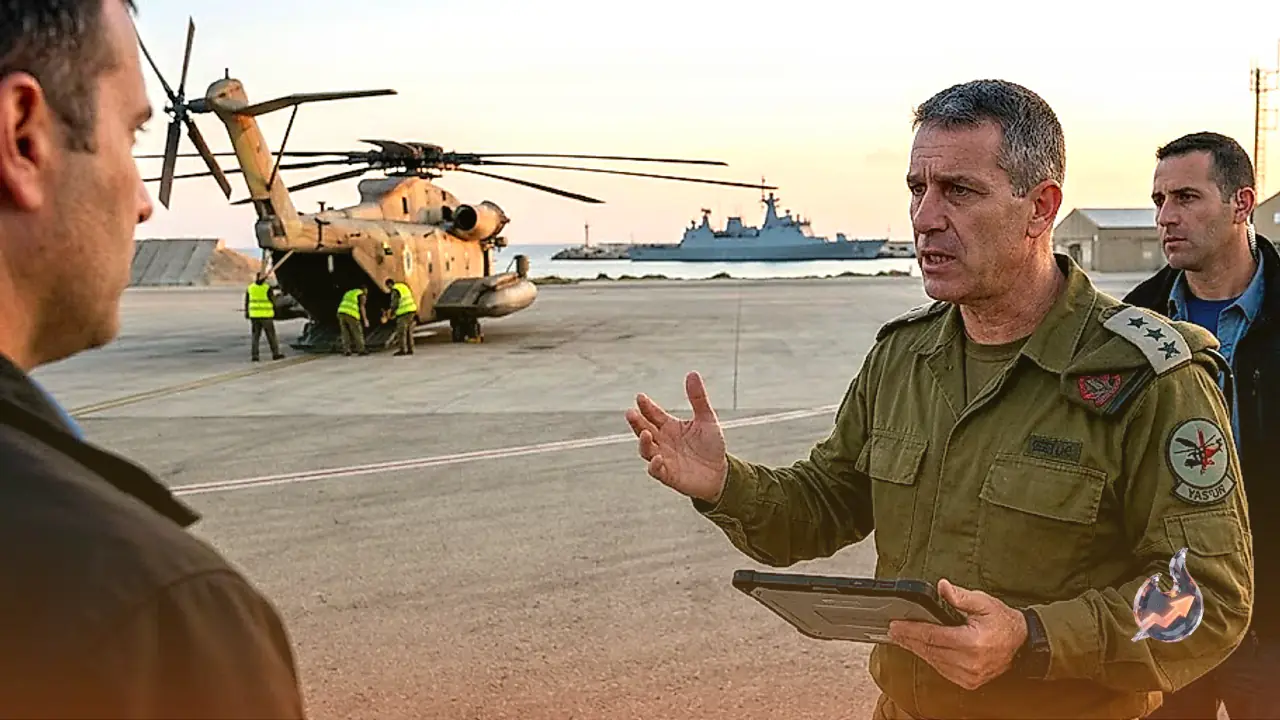
























A catastrophic air disaster was narrowly avoided on September 30 when an in-flight insurrection erupted inside the cockpit of a Flydubai flight en route from Dubai to Tel Aviv. During cruise, co-pilot Hamam Al-Hammami launched a violent knife attack against Captain Smit Machchhar in a desperate attempt to seize control of the aircraft. Despite sustaining critical injuries, the captain mounted fierce resistance, helping avert a mass-casualty event and ensuring the safety of all 174 people on board. Details surrounding the high-stakes military scramble triggered by the ordeal demonstrate how close the situation came to a lethal shoot-down intervention.
Airspace Sealed as Ground Control Lost Contact
Immediately following the onset of the cockpit violence, an emergency was declared aboard the aircraft. Israeli Air Force personnel initiated urgent attempts to establish radio communications with the cockpit crew, yet their calls were met with total silence. In response to the unresponsive aircraft, authorities triggered a predetermined emergency protocol. A specialized command center was activated to coordinate countermeasures, Israeli airspace was sealed, and fighter aircraft were scrambled to establish visual intercept parameters.
Saudi Interceptors and Visual Inspection Protocols
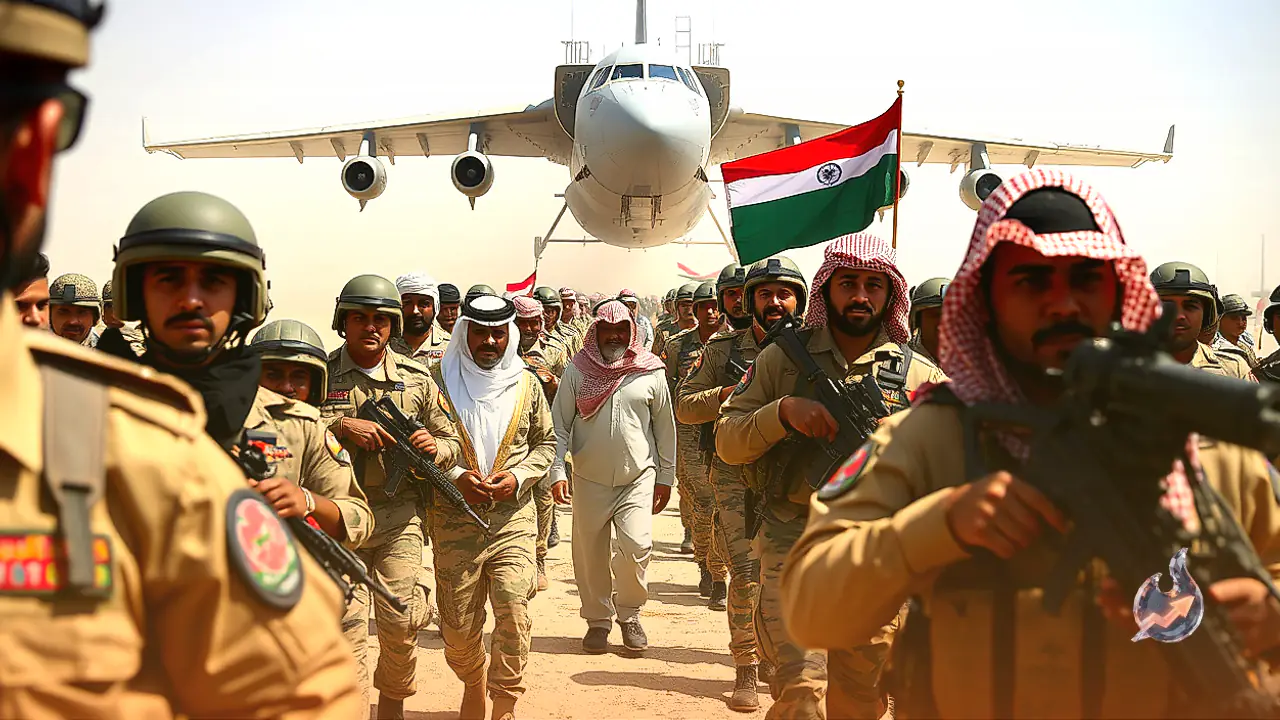
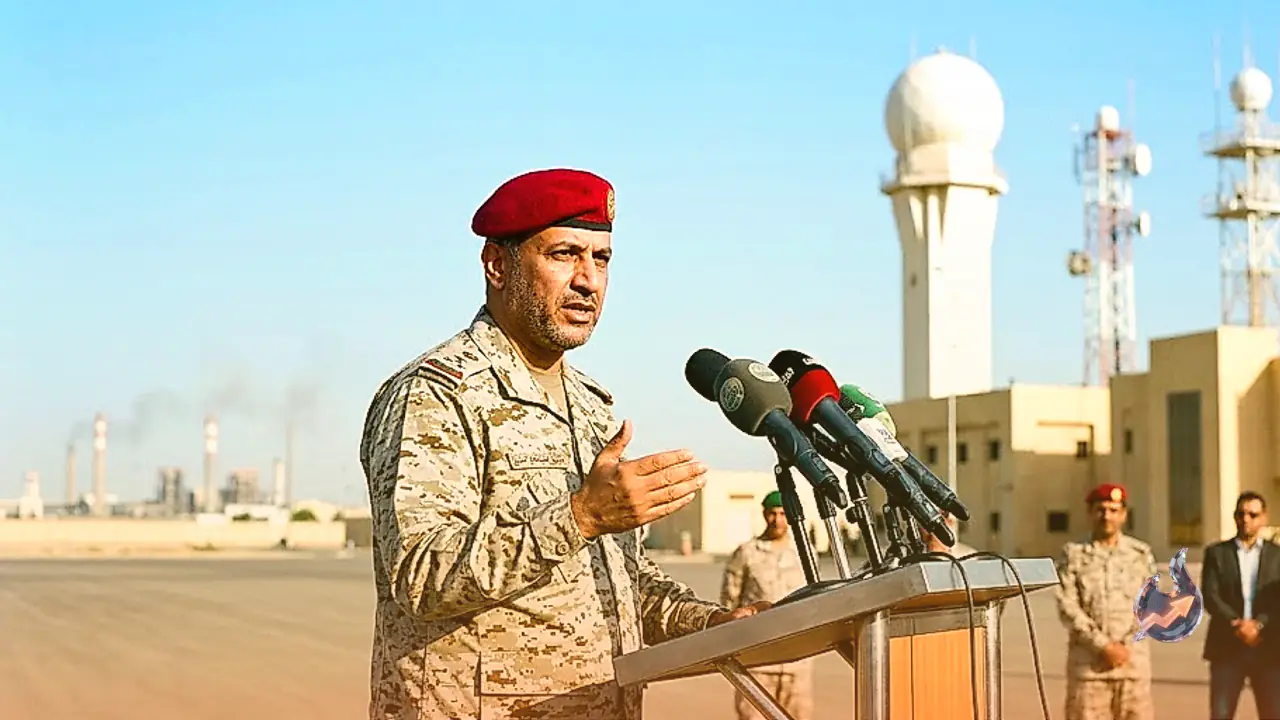
The geopolitical dimension of the route brought multiple air defense sectors into play, with Saudi Arabia also scrambling fighter jets to monitor the rogue airliner. Israeli defensive contingency plans called for fighter pilots to fly in close formation alongside the passenger jet to visually inspect the cockpit. Intercepting pilots were tasked with verifying whether a full hijacking was underway and assessing the state of the flight deck. If a hijacking had been confirmed and the cockpit remained unresponsive, the decision to engage would have escalated directly through the Defense Minister to the Prime Minister, who holds the ultimate legal authority to authorize shooting down a civilian airliner.
Targeting Potential Before Reaching Tel Aviv
Defense planners were determined to prevent the airliner from reaching metropolitan Israeli airspace if the hijacker retained command. High-value civilian and commercial infrastructure, such as Ben Gurion Airport and the prominent Azrieli Center, were identified as potential targets for a devastating collision. Consequently, commanders held full confidence that the aircraft could be safely intercepted and destroyed over open terrain before it could approach Tel Aviv, eliminating the threat of a metropolitan suicide strike.
Heroic Cabin Intervention and Diversion to Tabuk
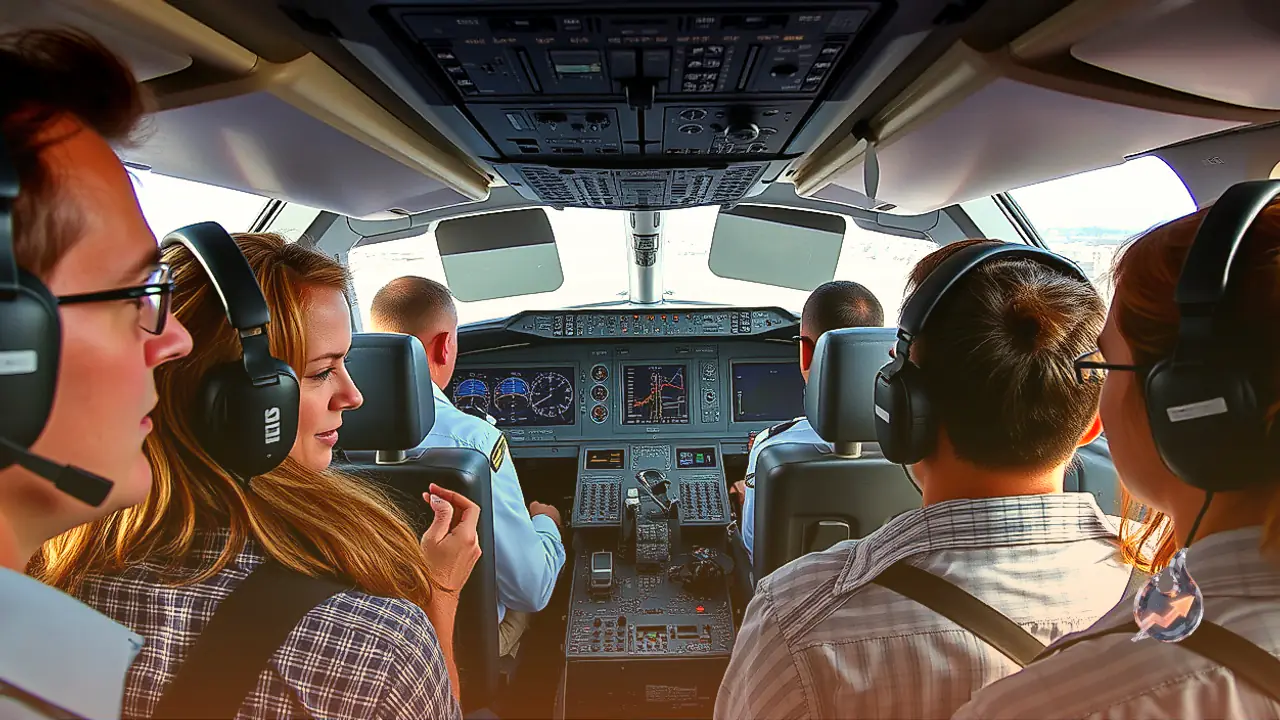
The acute crisis aboard was brought to an end by the extraordinary resilience of Captain Smit Machchhar. Despite suffering grave wounds from the assault, he managed to release the secure cockpit door latch. Alert passengers quickly overpowered Al-Hammami, pinning him down and removing him from the controls. Fortunately, two off-duty commercial pilots traveling as passengers stepped forward to assume command of the airliner. They immediately redirected the flight toward Tabuk in Saudi Arabia for an emergency landing. Once ground tracking confirmed that the plane had turned away and was touching down safely in Saudi territory, Israeli military fighters were recalled to base.