


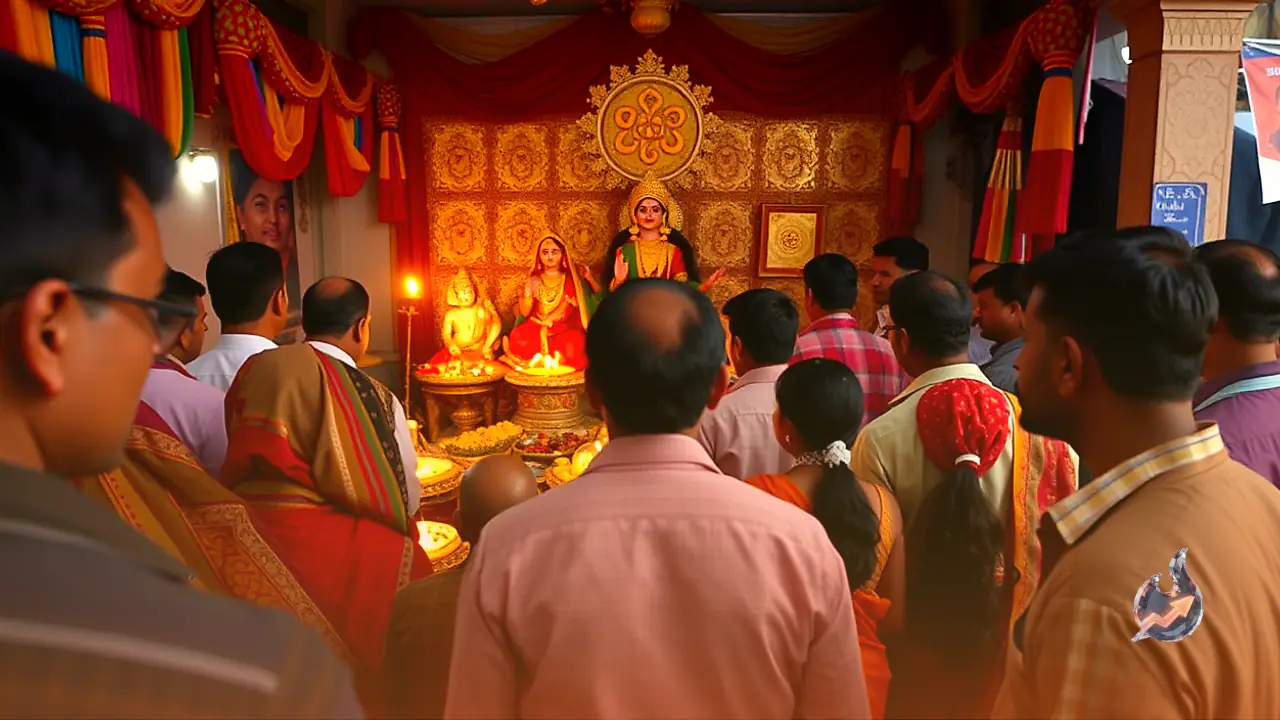

















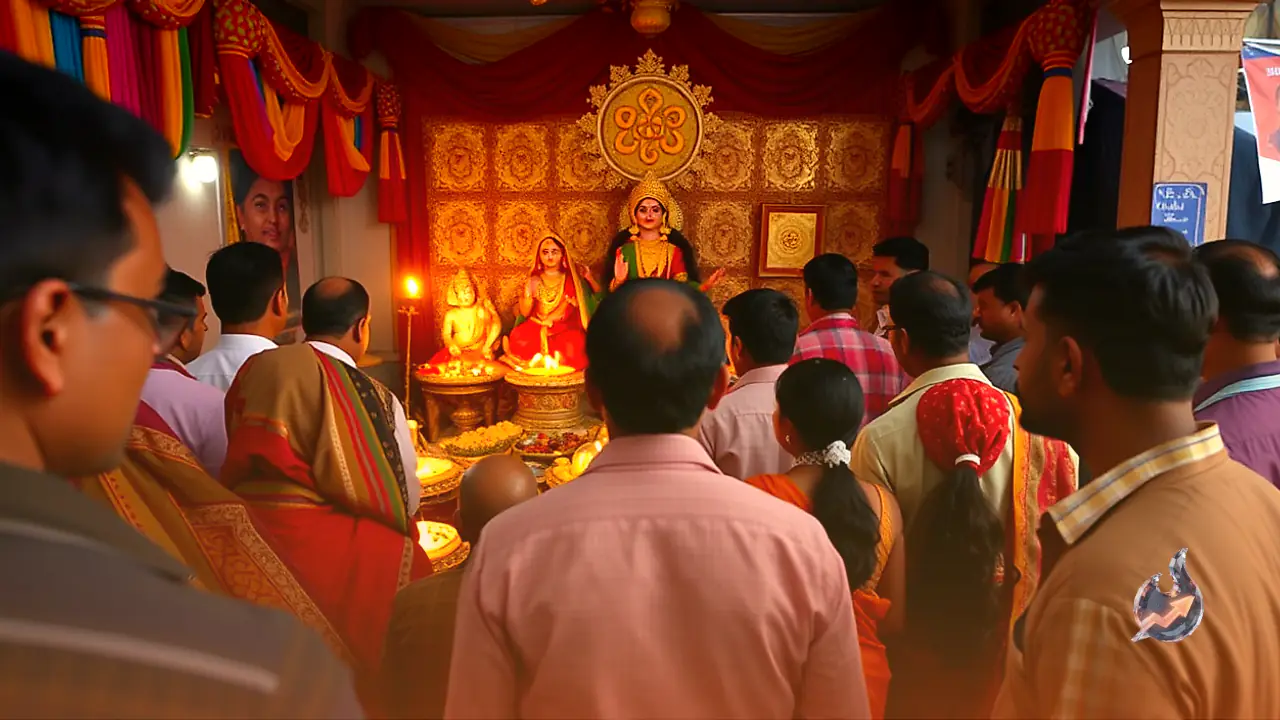

During the sacred festival of Navratri, preparing the wooden platform or chowki alongside the ritual pot installation serves as a central devotional practice in countless households. Traditional worship protocols lay down clear guidelines concerning the exact spatial orientation, sanctity of the prayer space, and safe handling of the eternal flame. Neglecting the proper compass directions, cleanliness, or safety measures can disrupt the sacred atmosphere of the rites. According to Acharya Indu Prakash, following these established Vastu and worship guidelines ensures that the ceremonial platform is set up with complete spiritual decorum.
Schedule and Key Dates for Shardiya Navratri 2026
According to the traditional calendar, Shardiya Navratri commences on the Pratipada tithi of the Shukla Paksha in the month of Ashwin. In the year 2026, the nine-day observance begins on Sunday, October 11, 2026. The religious festivities will draw to a close on October 19, 2026. The very next day, October 20, 2026, marks the celebration of Dussehra across the country.
Choosing the Correct Direction According to Vastu
Vastu principles consider the northeast corner of a home, commonly termed the Ishan Kon, as the most auspicious zone for religious ceremonies and spiritual energies. Therefore, installing the chowki in the northeast sector is regarded as the best possible choice. If architectural constraints prevent setting up the altar in the northeast, the north or east directions serve as suitable alternatives. Additionally, individuals performing the prayers must ensure that they face either towards the north or towards the east during the worship ceremonies.
Maintaining Sanctity and Dressing the Platform
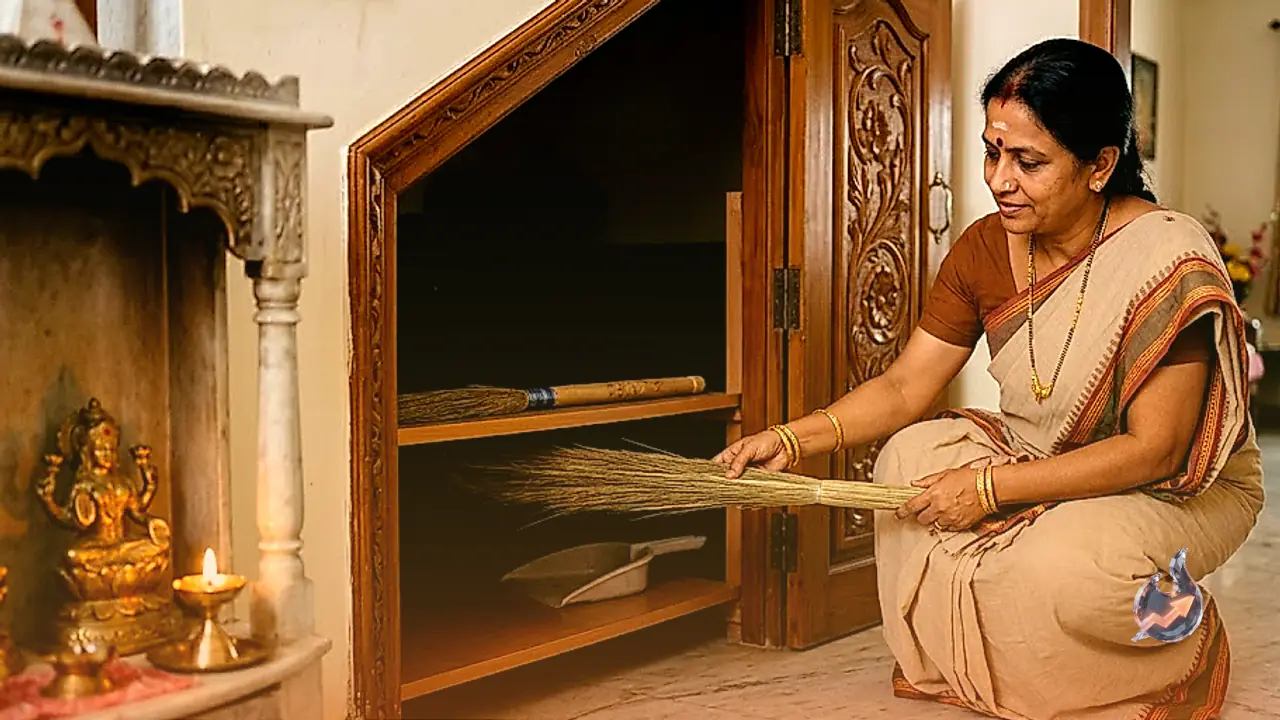
Before placing the chowki, the chosen area must undergo thorough cleaning and purification. Place an untainted red or yellow cloth over a sturdy wooden stool before consecrating the image or idol of Goddess Durga upon it. To uphold the sanctity and physical order of the prayer environment, keep everyday footwear, brooms, broken household items, and discardable clutter completely away from the designated altar area.
Screening Worship Materials and Idols for Flaws
Every single sacred item arranged on the platform requires careful inspection prior to beginning the ceremonies. The idol, devotional image, and ceremonial water vessel must be immaculate and free from any structural defects. Long-standing religious tradition advises against keeping damaged, chipped, or broken sculptures at any worship space. Consequently, all ritual accessories and representations of divinity should be thoroughly examined beforehand to maintain the integrity of the rites.
Placement and Safety Guidelines for the Akhand Jyot
Devotees who take the religious vow to keep the Akhand Jyot burning continuously across all nine days of Navratri must exercise heightened vigilance regarding its placement. Keep the lit oil lamp safely distanced from window curtains, loose sheets of paper, fabrics, and any easily flammable materials. Position the sacred flame in a sheltered spot away from strong air drafts, guaranteeing ample clearing space around the lamp to prevent any fire hazard throughout its uninterrupted burning.
Offering Fresh Flowers and Minimizing Foot Traffic
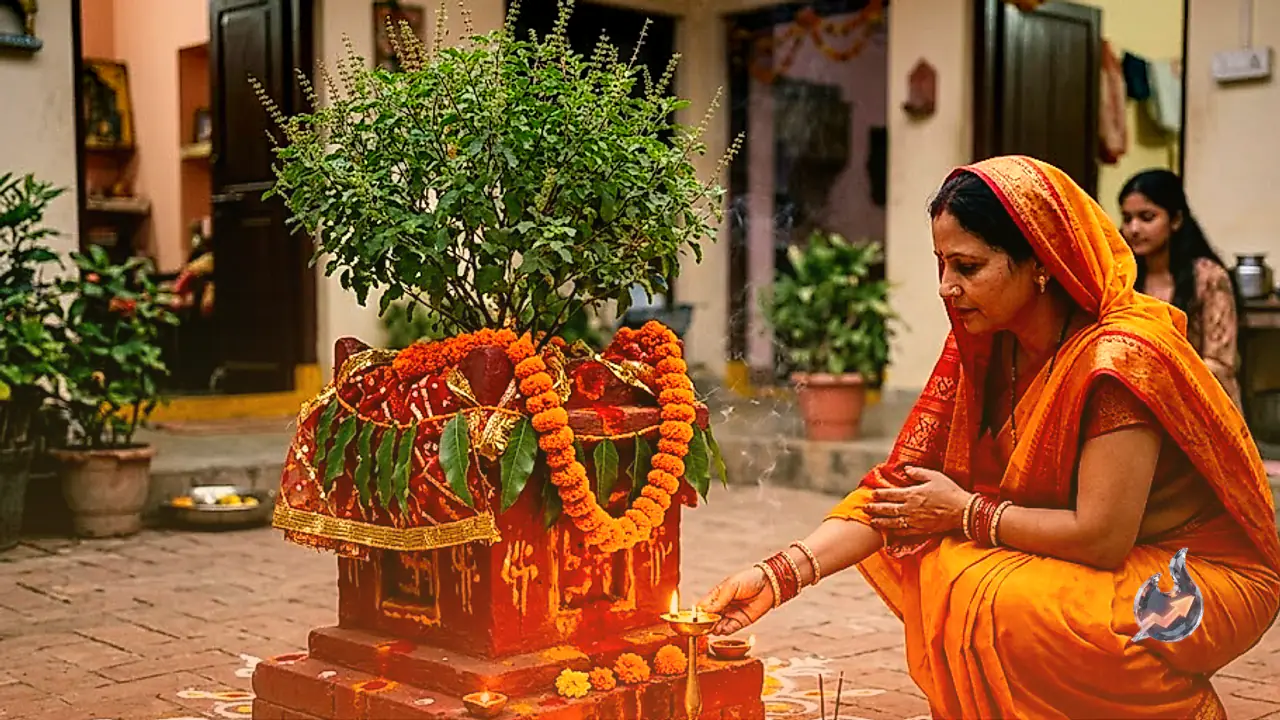
Presenting vibrant, fresh blossoms represents a highly auspicious offering in the worship of Goddess Durga. Stale, withered, or dried flowers should not be left lingering upon the chowki for extended durations. Remove desiccated offerings regularly to keep the altar orderly, clean, and spiritually uplifting. Furthermore, position the chowki in a tranquil corner of the household rather than a busy walkway to prevent needless disruption and avoid crowded foot traffic near the sanctified space.