
























The foreign exchange market is witnessing sustained resilience in the Euro against the Canadian Dollar following the publication of key economic sentiment data from the European continent. While improving investor morale has underpinned the single currency, the upside for the EUR/CAD cross faces significant headwinds as rising crude oil prices bolster the Canadian Dollar. Global financial markets are currently adjusting to a mixture of domestic macroeconomic releases and geopolitical energy supply shocks.
Eurozone Investor Confidence Improves Amid German Industrial Decline
Economic indicators released from the Eurozone show that the Sentix Investor Confidence index posted a sharp increase to 5.1 in September, up significantly from 0.9 recorded in August. This movement reinforces the turnaround in investor sentiment that began in August after five consecutive months in negative territory. On the back of these numbers, the Euro emerged as the strongest performer among major world currencies against the US Dollar in early week trading.
Conversely, manufacturing data out of Europe's largest economy painted a more gloomy picture. German Industrial Production fell by 1.1% month-over-month in July, falling well short of consensus estimates that had pointed toward a 0.3% expansion. This contraction follows a flat 0% reading in June. On an annualized basis, German industrial output shrank by 1.6% in July, deepening the 0.5% contraction observed in the previous month and highlighting ongoing structural hurdles in European manufacturing.
Middle East Escalation Drives Crude Surge and Inflation Concerns
Limiting potential gains for EUR/CAD is the ongoing strength of the Canadian Dollar, which is deriving substantial support from energy markets. Crude oil prices jumped following a major military escalation over the weekend. In response to missile strikes directed at US Navy vessels, American forces targeted three Iranian oil tankers. Tehran subsequently declared a new maritime restriction zone expanding beyond the Strait of Hormuz into the Persian Gulf, triggering global alarm over extended supply disruptions from the Middle East.
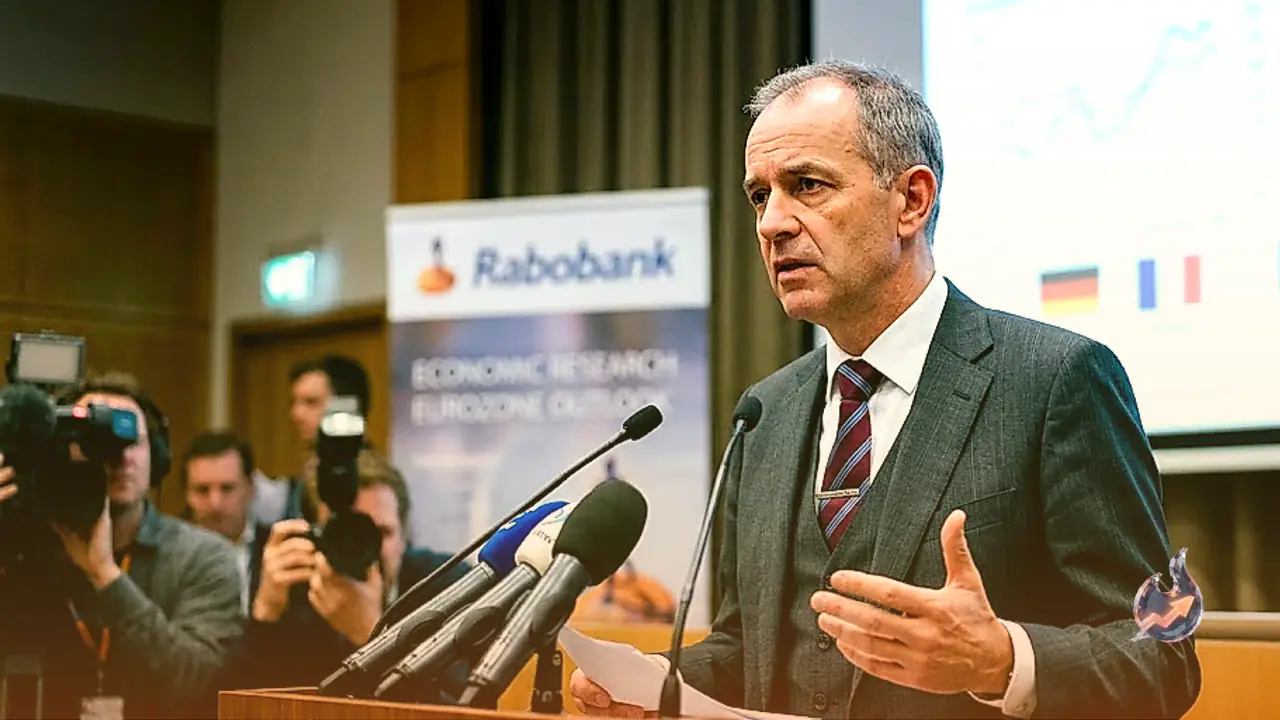
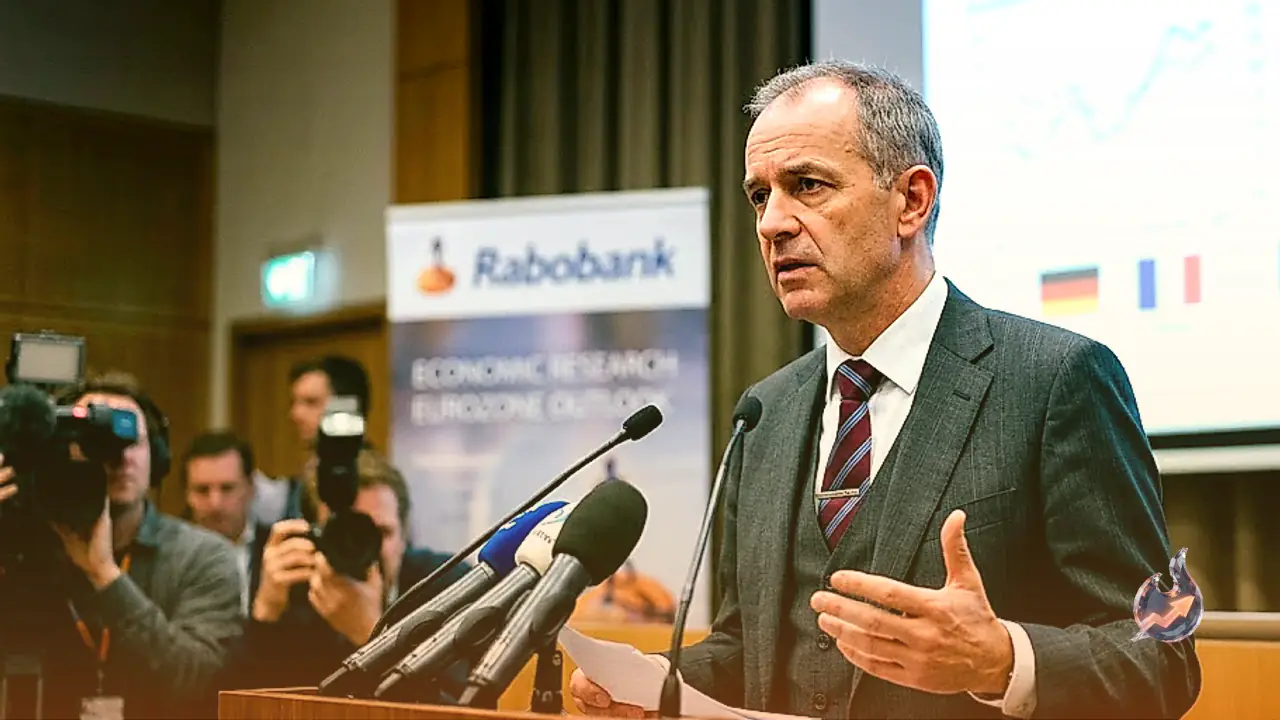
Market strategists at Deutsche Bank highlighted that risk assets lost upside momentum over the past week as market participants digested higher energy overheads. The bank noted that persistent energy price gains have reactivated fears of entrenched inflation, particularly given the lack of progress toward reopening maritime routes through the Strait of Hormuz. Brent crude climbed 7.80% over the week to reach $96.28 per barrel, its highest settlement in six weeks, amplifying concerns that cost pressures will remain elevated.
Global Foreign Exchange Developments
Currency markets elsewhere reflected similar crosscurrents. The AUD/USD pair consolidated near 0.7200 at the start of the week, hovering just below its highest level since mid-May. Expectation of a continued hawkish stance from the Reserve Bank of Australia provided underlying strength for the Aussie, though gains were capped by a resilient US Dollar backed by positive US Non-Farm Payrolls (NFP) figures and safe-haven flows driven by Middle East volatility.
Meanwhile, USD/JPY remained under selling pressure below 156.00 in the European session. Aggressive repricing of the Bank of Japan's interest rate trajectory has given the Japanese Yen firm support. On the other side, the US Dollar faced minor drag from concerns regarding US sovereign debt levels and policy uncertainty ahead of upcoming US Consumer Price Index (CPI) inflation data.
Precious Metals and Cryptocurrency Markets
In precious metals, Gold experienced modest selling pressure for a second consecutive session, hovering near the $4,400 mark heading into European trading hours. Despite the softer tone, the metal managed to remain above Friday's swing low hit after the US employment report, prompting traders to proceed cautiously before establishing fresh short positions.
In crypto asset markets, Bittensor (TAO) maintained a strong upward trajectory, trading in the green on Monday to extend a five-day rally that has seen the token gain 25%. Increased social volume surrounding Bittensor has been driven by the release of ChatGPT-6 Astra as well as a newly launched meme coin on the Solana platform. Technical momentum for TAO remains constructive, with market participants looking toward a potential breakout above the $300 level.
Record Highs in Diesel Crack Spreads
A notable milestone was recorded in refined fuel markets, where the US diesel crack spread—measuring the premium of ultra-low sulphur diesel futures over WTI crude oil—surpassed $100 per barrel for the first time in history. The spread reached an intraday record high above $102.00 per barrel, underscoring severe global constraints in middle distillate refining capacity and heightened industrial demand risks.