






















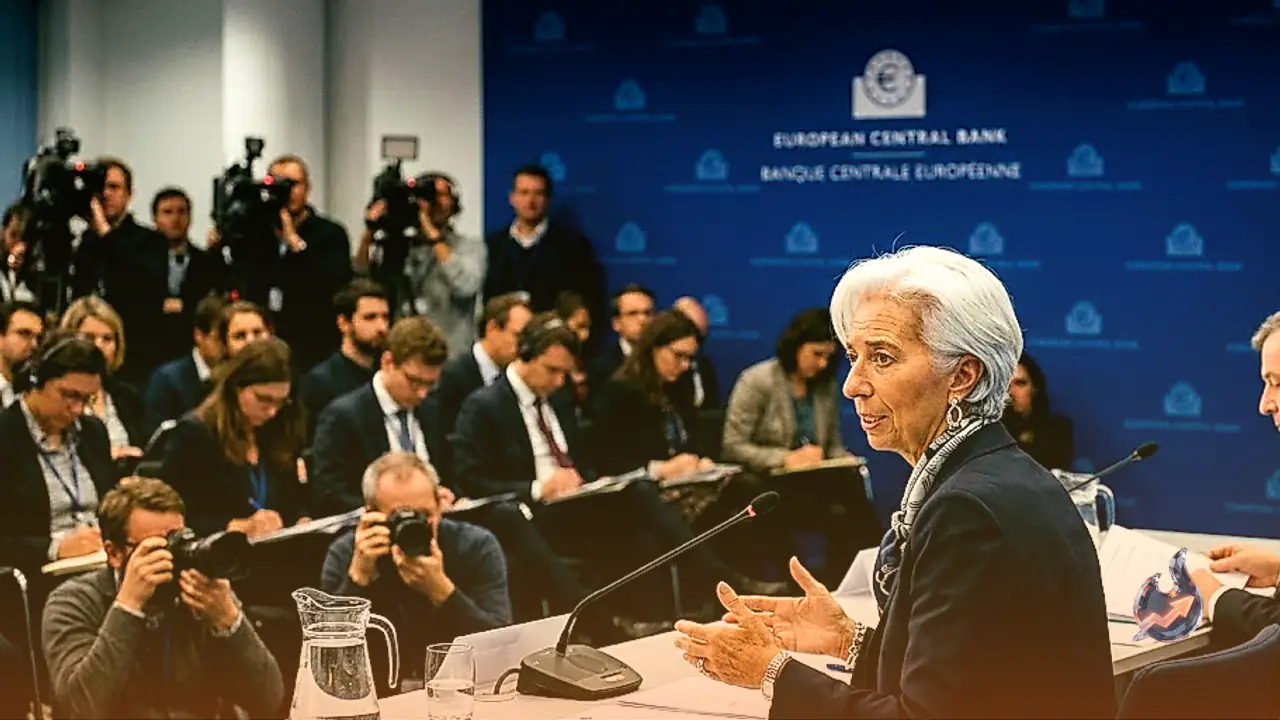

A close reading of the European Central Bank's September monetary policy meeting record indicates that policymakers remain primarily concentrated on upside inflation risks. According to an evaluation by Nordea Chief Analyst Jan von Gerich, the Governing Council's deliberations suggest scope for additional interest rate hikes, with December and March emerging as potential windows for further policy tightening. This stance reflects persistent worries over energy shocks combined with surprisingly resilient economic expansion across the euro area.
Neutral Stance and Preserving Flexibility Amid Uncertainty
Rather than committing in advance to a set path, the European Central Bank is consciously maintaining a neutral communication strategy. Officials emphasized that policy decisions will strictly depend on incoming economic data as they steer through volatile geopolitical circumstances and unpredictable financial markets. By avoiding forward guidance or binding commitments, policymakers are seeking to keep all strategic policy tools readily available.
Jan von Gerich noted that while indirect and second-round effects stemming from energy disruptions have remained contained thus far, officials worry that ongoing resilience in the broader economy might eventually trigger widespread price increases. This underlying risk keeps central bankers cautious, reinforcing their decision to preserve policy flexibility without pre-committing to specific future moves.
Middle East Tensions Shape Currency Movements
Currency markets saw the AUD/USD pair consolidate just above 0.6950 during Thursday's Asian trading session as market participants weighed developments surrounding the conflict in the Middle East. Geopolitical risk premiums stayed elevated following indications that the Pentagon directed readiness measures for potential strikes against Iran. That heightened geopolitical backdrop, paired with hawkish FOMC minutes and elevated US Treasury yields, provided sustained underlying support for the US Dollar while capping upside for the Australian currency.
Yen Intervention Watch Pulls USD/JPY Below 158.00
In parallel currency trading, USD/JPY moved back into negative territory below 158.00 during Thursday's Asian session amid intensifying market speculation that authorities in Japan might intervene to support the Japanese Yen. Concurrently, the US Dollar pulled back from near an 18-month peak due to profit-taking. This retreat occurred despite hawkish FOMC meeting minutes and mounting friction across the Middle East, ultimately compounding the downward move in the currency pair.
Gold Faces Downward Pressure Near Multi-Month Lows
The precious metals market witnessed gold surrender its modest recovery attempts on Thursday. A firm US Dollar combined with higher US Treasury bond yields effectively capped upward momentum, locking the metal into a bearish consolidation phase near two-month lows. Spot gold, traded under XAU/USD, eased back to trade around $4,119 after failing to sustain an intraday high of $4,143, reflecting the broader market headwinds confronting non-yielding assets.